
Unbiased headlines. Facts, not spin.
Every story is an unbiased news briefing written from 110+ sources across the spectrum — sources linked so you can verify it yourself.
 defense
Major Story (8/10)
July 3, 2026 at 05:41 AM
defense
Major Story (8/10)
July 3, 2026 at 05:41 AM
Russia Strikes Kyiv, Killing at Least 21. Europe Closes Ranks as Diplomatic Frameworks Stall.
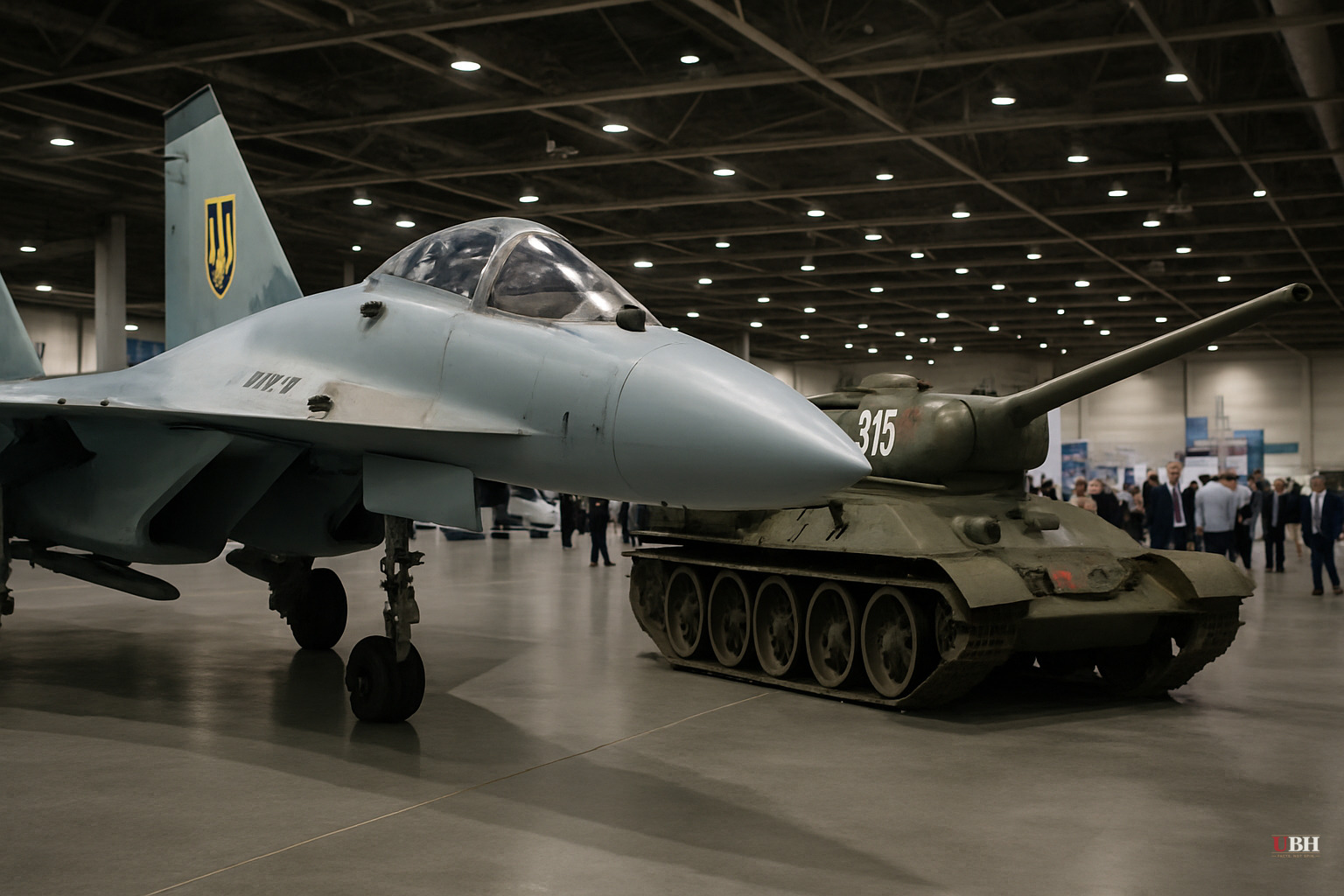
The Russia-Ukraine war has escalated sharply on two fronts: a major strike on Kyiv and a public reckoning over how badly Russia's military hardware has degraded.
Kyiv Strike: At Least 21 Dead
Russia landed what AP News describes as heavy strikes on Ukraine's capital, killing at least 21 people. The attack came as European leaders, facing what AP describes as "barbs and pressure from Trump," are visibly closing ranks rather than fracturing.
One of Russia's consistent strategic bets has been that Western unity would erode over time. The latest round of European consolidation suggests that bet is not paying off on schedule.
Russia Is Running Out of Modern Equipment
According to Western officials cited by CNN, Russia is "going backwards" in terms of military equipment and has been deploying tanks from the post-World War II era. That is not a small admission. Modern combined-arms warfare runs on fire control systems, thermal imaging, and reactive armor. Post-WWII-era tanks have none of that.
The strongest counterargument deserves a fair hearing: Russia has survived years of Western predictions that its equipment and manpower would collapse. Ukrainian and Western officials have repeatedly overestimated how quickly Russian logistics would fail. Sheer volume of old armor, even if technologically inferior, can still inflict casualties and hold terrain. Critics of Western assessments argue that "going backwards" framing understates Russia's ability to absorb losses and keep grinding.
Western officials making this assessment have eyes on battlefield recovery rates, satellite imagery, and intercepts that are not publicly available. The deployment of decades-old tanks is a measurable, observable fact on the ground.
The Peace Frameworks Are Not Working
Russian Foreign Minister Sergey Lavrov, speaking in Caracas as part of a five-day Latin American tour, praised a peace framework introduced by China and Brazil. The proposal would fully integrate Crimea into the Russian Federation.
Lavrov acknowledged, according to CNN, that the West would not accept it. Ukraine has repeatedly stated that any peace requires Russia to restore Ukraine's internationally recognized borders, including Crimea. Those two positions do not overlap.
Brazilian President Luiz Inácio Lula da Silva, who traveled to China and reiterated calls for a negotiated settlement, has argued Ukraine should relinquish its sovereignty claim over Crimea in exchange for an end to hostilities. The US and EU have rejected that framing. Lula's position reflects a broader stance among middle-income and developing nations that have declined to align with either side.
The China-Brazil framework is not a serious path to resolution as the parties currently stand. It is a diplomatic document that Russia finds useful and Ukraine finds unacceptable.
Lavrov's Latin American Tour
Lavrov's five-day trip covered Brazil, Venezuela, Cuba, and Nicaragua. In Caracas, he criticized US sanctions on Venezuela and stated Russia intends to deepen diplomatic and commercial ties with the Maduro government, according to CNN.
Russia strengthening ties with Caracas serves a clear strategic purpose. Venezuela is an isolated petrostate that provides Russia with a foothold in the Western Hemisphere and a reliable vote at the UN.
Where Things Stand
The open question that the sourced reporting does not resolve: at what point does Russia's degraded equipment pool become a genuine battlefield liability rather than just a rhetorical talking point? Western officials say that threshold is approaching. Russia's continued offensive operations, including a strike that killed at least 21 people in a capital city, suggest Moscow does not believe it has reached that point yet.
Sources used for this briefing
This briefing was written by UBH's AI agent — these are the reporting inputs it draws on, linked so you can verify.


