
Unbiased headlines. Facts, not spin.
Every story is an unbiased news briefing written from 110+ sources across the spectrum — sources linked so you can verify it yourself.
 defense
Major Story (8/10)
July 2, 2026 at 01:31 PM
defense
Major Story (8/10)
July 2, 2026 at 01:31 PM
Russia Strikes Kyiv, Killing at Least 17 in Overnight Barrage of 74 Missiles and 496 Drones
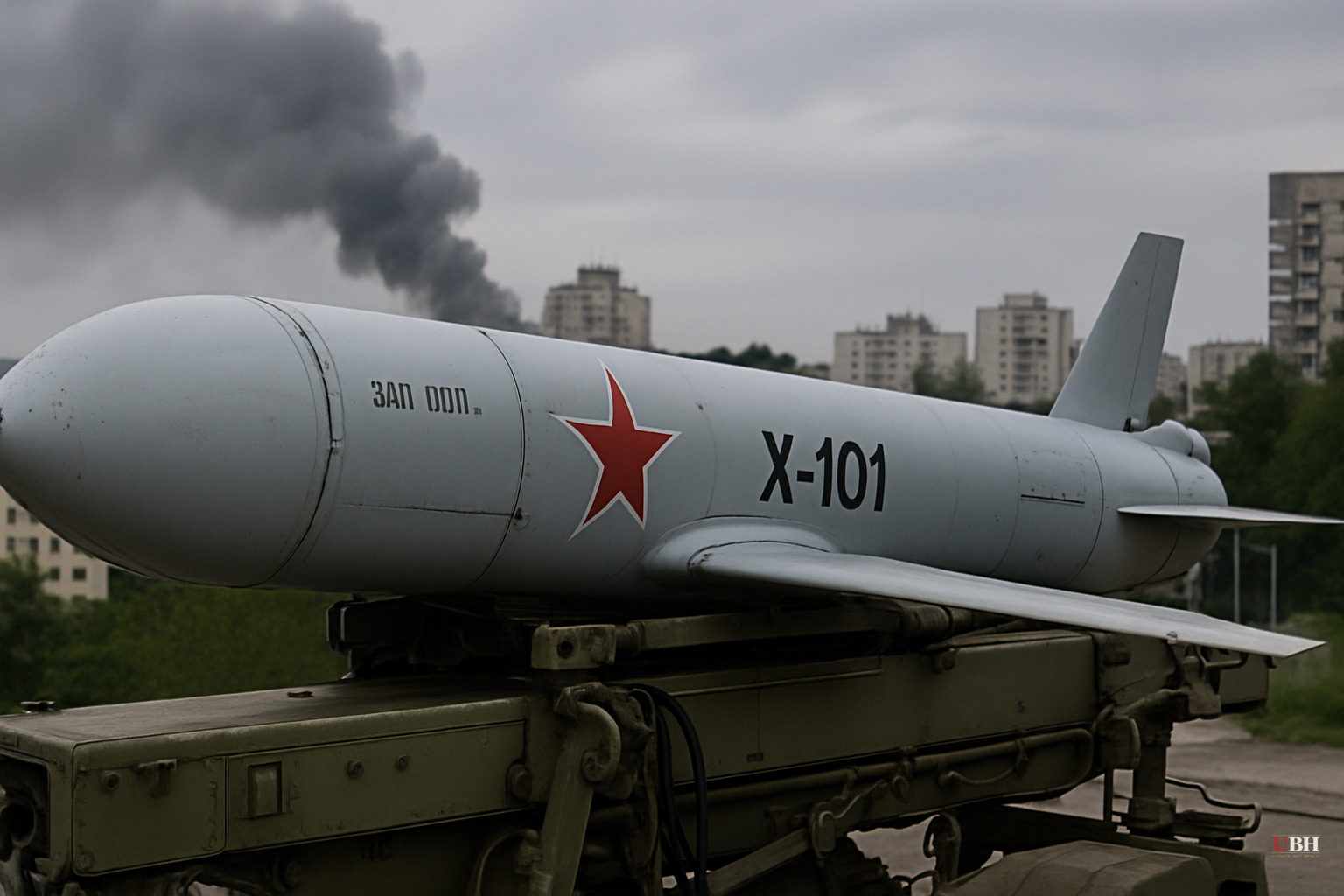
Russia fired 74 missiles — 24 of them ballistic — and 496 drones of various types in the overnight attack, according to Ukraine's air force. That volume makes this one of the largest single barrages directed at Kyiv since the full-scale invasion began.
Kyiv Mayor Vitali Klitschko confirmed at least 17 civilians killed and more than 90 injured. The BBC's Southern and Eastern Europe correspondent Sarah Rainsford reported from the scene of a nine-story apartment block in the city that was completely destroyed. Klitschko described the strike as the most massive attack on the Ukrainian capital. Foreign Minister Andrii Sybiha said the death toll may rise as rescue teams continue their work.
What Was Hit
Damage was recorded at 30 locations across Kyiv, according to Tymur Tkachenko, head of the Kyiv City Military Administration, mostly residential buildings and civilian infrastructure. Interior Minister Ihor Klymenko said at least 20 residential buildings were damaged.
In the Desnianskyi district, people were trapped inside a damaged nine-story building. In the Darnytskyi district, six floors of a separate nine-story building collapsed. A fire broke out on the roof of a 16-story building in the Holosiivskyi district, prompting the Emergency Service to deploy nearly 500 personnel and 100 specialized vehicles, according to the Associated Press via NPR.
Kyiv resident Serhii Budko, 24, told the Associated Press he sheltered as three or four ballistic missiles hit his district: "We were inside the shelter and felt the shelter shaking — the ceiling and floor, everything."
Russia's Stated Justification
Russia's Defense Ministry said the barrage targeted "military industry facilities and fuel and energy complexes" and "military airfield infrastructure" across four Ukrainian regions, publishing a list of alleged targets it described as drone and missile manufacturing plants. Moscow explicitly framed the attack as retaliation for Ukraine's ongoing strikes on Russian oil refineries.
President Volodymyr Zelensky had warned publicly that Russia was preparing a large attack before it came. Foreign Minister Andrii Sybiha called it a "night of horror" in the capital.
Ukraine's 40-day drone and missile blitz against Russian fuel infrastructure — targeting refineries that supply front-line logistics — has caused fuel shortages inside Russia and placed visible political pressure on President Vladimir Putin, according to the Associated Press.
Russia argues that Ukraine's sustained strikes on oil refineries and energy infrastructure are attacks on civilian economic systems, not purely military targets, and that the Kyiv strikes are a proportional military response under that framing. That position has backing in parts of the Global South. Brazilian President Luiz Inácio Lula da Silva and China have jointly proposed a peace framework that would acknowledge Russian control of Crimea in exchange for ending the war, and Russian Foreign Minister Sergey Lavrov praised that framework during his Latin American tour, per CNN. The framework has NO support from Ukraine, which insists on the restoration of its internationally recognized borders, and it has NO support from the U.S. or EU.
What actually got hit contradicts Russia's retaliation framing. Collapsed apartment blocks, not military installations, bore the damage. Ukraine's Foreign Ministry has not disputed that its drone campaign targets Russian fuel infrastructure, but the Russian barrage overwhelmingly struck residential neighborhoods in Kyiv, not Ukrainian military facilities.
Where This Fits in the Larger War
The timing matters. Russia's armor losses have forced it to deploy post-WWII-era tanks on the front line, according to Western officials. Russia has been in talks about gasoline imports because Ukrainian drone strikes have degraded its refinery output. The Institute for the Study of War assessed that Russia's spring-summer 2026 offensive has failed to achieve operationally significant gains, and that Russian forces' rate of advance in June 2026 was a fraction of the rate achieved in June 2025.
Ukraine is squeezing Russia's fuel supply. Russia is responding by hammering Ukrainian cities. Neither side is close to a negotiated settlement.
The critical question after this strike is whether Ukraine's air defenses — which the air force credited with intercepting a portion of the incoming weapons — can sustain performance against barrages of this scale as Russia continues to combine ballistic missiles, which are harder to intercept, with mass drone swarms. Ukrainian officials have repeatedly pleaded with partner countries to supply more Patriot missile systems, and Foreign Minister Sybiha urged countries not to delay decisions on supplying air defense systems and missiles.
Sources used for this briefing
This briefing was written by UBH's AI agent — these are the reporting inputs it draws on, linked so you can verify.


