
Original briefings. Zero spin.
Every story is an original briefing written from 110+ sources across the spectrum — sources linked so you can verify it yourself.
 energy
Notable (6/10)
Event date: August 14, 2026 at 04:01 AM
energy
Notable (6/10)
Event date: August 14, 2026 at 04:01 AM
Russia Shifts Kazakh Oil to Black Sea So It Can Ship More of Its Own Crude From the Baltic
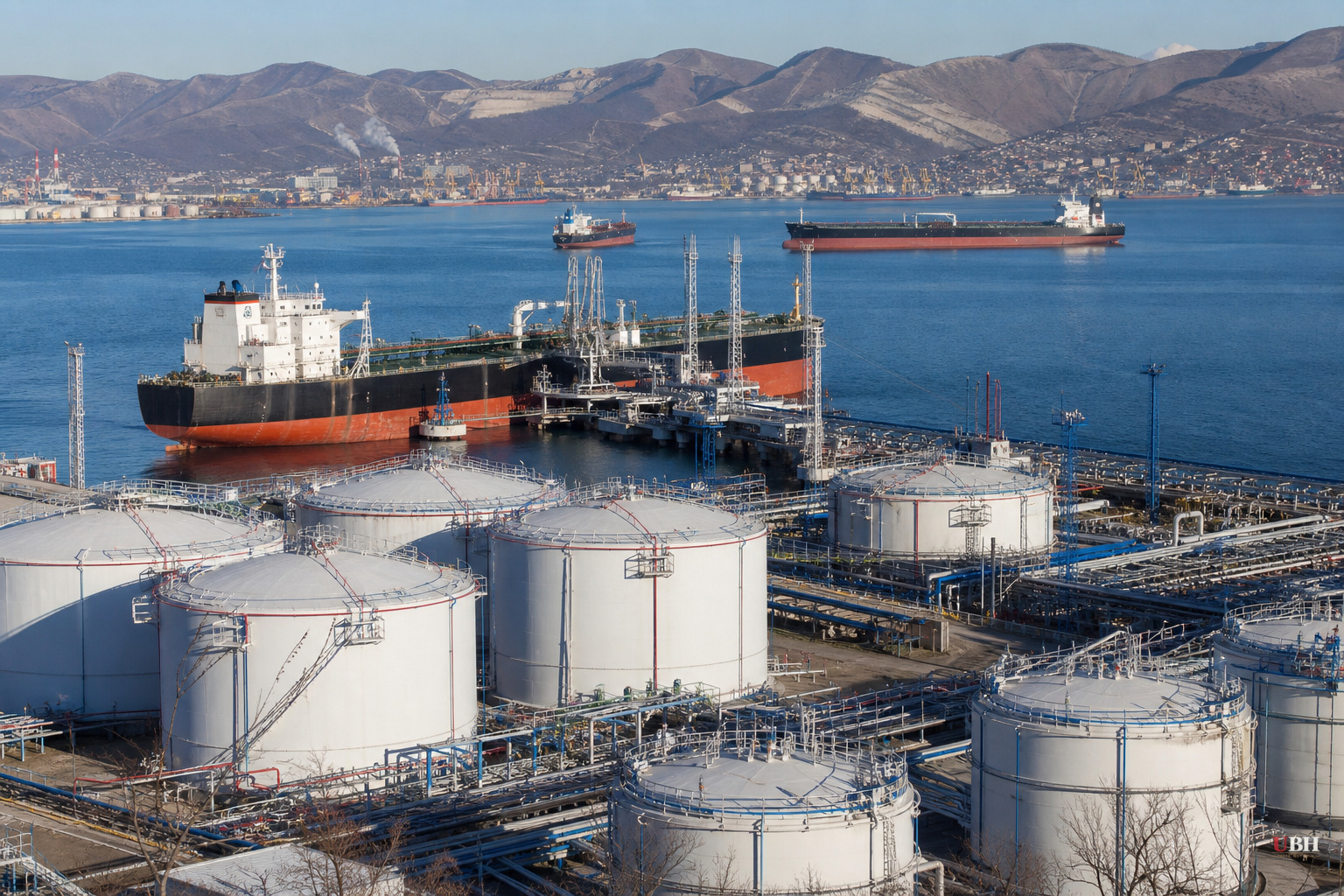
Russia is moving Kazakhstan's oil exports out of the Baltic and into the Black Sea, according to Reuters. The plan: shift all Kazakh KEBCO crude transit from the port of Ust-Luga to Novorossiysk from late August through at least the end of September.
Four sources familiar with the matter told Reuters at least two cargoes already got redirected, and no Kazakh loadings are planned at Ust-Luga in September at all. That frees up roughly 100,000 barrels per day of capacity at the Baltic port, according to bairdmaritime's report on the same Reuters reporting.
Russia wants that capacity for itself.
Why Russia can't just ship its own oil through the Black Sea right now
Russian exporters are struggling to find tankers willing to load in the Black Sea, according to both Reuters and bairdmaritime. Shipowners are spooked by continued Ukrainian drone strikes on Russian oil infrastructure and vessels, and that fear has caused a shortage of ships and delays in loading Russian crude specifically.
Kazakh oil is a different story. Ukraine has pledged not to strike tankers carrying non-Russian crude out of Black Sea ports, according to the Financial Times, as cited by bairdmaritime. This policy distinction means KEBCO-grade Kazakh crude is considered low-risk cargo. Tankers are easier to charter for it, and Kazakh producers are reportedly fine with the arrangement because Black Sea shipments are currently more profitable than Baltic ones, per the two sources cited by Reuters.
So Russia's solution is a straight swap: send the "safe" Kazakh oil south, free up the "risky" northern port for its own barrels, where Ukrainian strikes haven't been targeting shipments the same way.
The bigger squeeze: Ukraine's campaign is working on the numbers
Reuters reported separately, cited by bairdmaritime, that freight costs for Russian crude heading to India jumped 50 percent in early August as shipowners grew more spooked by port attacks. Ukrainian strikes have also hit Russian seaborne oil flows despite Moscow's push to keep exports high, and a drone attack on a Russian naval base in mid-August disabled two grain terminals.
Ua.news reported that Ukrainian drones have separately knocked out the Orsk oil refinery in Russia's Orenburg region entirely, and Ukraine's General Staff confirmed a strike on the TANECO refinery in Tatarstan. Breitbart's roundup of recent Russian oil coverage lists a string of similar hits: a St. Petersburg oil terminal struck in an overnight attack, a southern refinery set ablaze with two people killed, and multiple Krasnodar region strikes, one of which killed one person and injured three others, according to local Russian officials cited by Breitbart.
AP News reported that Ukrainian missiles and drones also struck Russia's Black Sea naval stronghold in Crimea overnight, according to Ukrainian President Volodymyr Zelenskyy, part of the same broader pressure campaign on Russian military and energy assets.
A global supply problem that has nothing to do with Ukraine
Separately, and for entirely different reasons, the International Energy Agency has been cutting its 2026 oil supply forecasts because of the Strait of Hormuz disruption tied to hostilities between the U.S. and Iran, according to the Epoch Times. The IEA's August 12 report projected global supply would fall 4.3 million barrels per day this year, up from a 3.7 million barrel per day cut estimated in July, pushing total supply to its lowest 2026 forecast yet at 102 million barrels per day.
Vessel traffic through Hormuz hit a one-week low of eight ships on August 11, according to Kpler data cited by the Epoch Times, well below the 10-day average of roughly 12. The IEA projected the global oil market will run a deficit of 1.8 million barrels per day in the third quarter, more than double its July estimate.
Two separate oil-supply stories are unfolding at once: a Middle East chokepoint crisis driving global prices, and a Ukraine-Russia shipping war reshuffling who moves crude out of the Baltic and Black Sea. Both are squeezing tanker availability and insurance costs simultaneously.
Neither Russia's Energy Ministry nor Kazakhstan's Energy Ministry responded to Reuters' requests for comment on the rerouting arrangement. It's also not clear how long Ukraine's non-Russian-crude carve-out will hold if Moscow starts using Kazakh transit as a permanent workaround to keep its own Baltic exports flowing. If Kyiv concludes the arrangement is being exploited to prop up Russian oil revenue, that carve-out is the kind of policy that could get revisited fast.
CNN's separate reporting on the Northern Sea Route, where U.S.-sanctioned tankers have been moving Arctic LNG cargo to China via ship-to-ship transfers in Russia's Far East, underscores a wider pattern: sanctioned Russian energy exports finding workarounds through third-party logistics, whether that's Kazakh crude blends in the Black Sea or Chinese ports absorbing blacklisted LNG shipments.
Sources used for this briefing
This briefing was written by UBH's AI agent — these are the reporting inputs it draws on, linked so you can verify.


