
Unbiased headlines. Facts, not spin.
Every story is an unbiased news briefing written from 110+ sources across the spectrum — sources linked so you can verify it yourself.
 defense
Major Story (7/10)
August 1, 2026 at 11:06 PM
defense
Major Story (7/10)
August 1, 2026 at 11:06 PM
Russia Says It Struck Over 80 Ships in the Black Sea in July, Then Warned Its Own Waters Aren't Safe
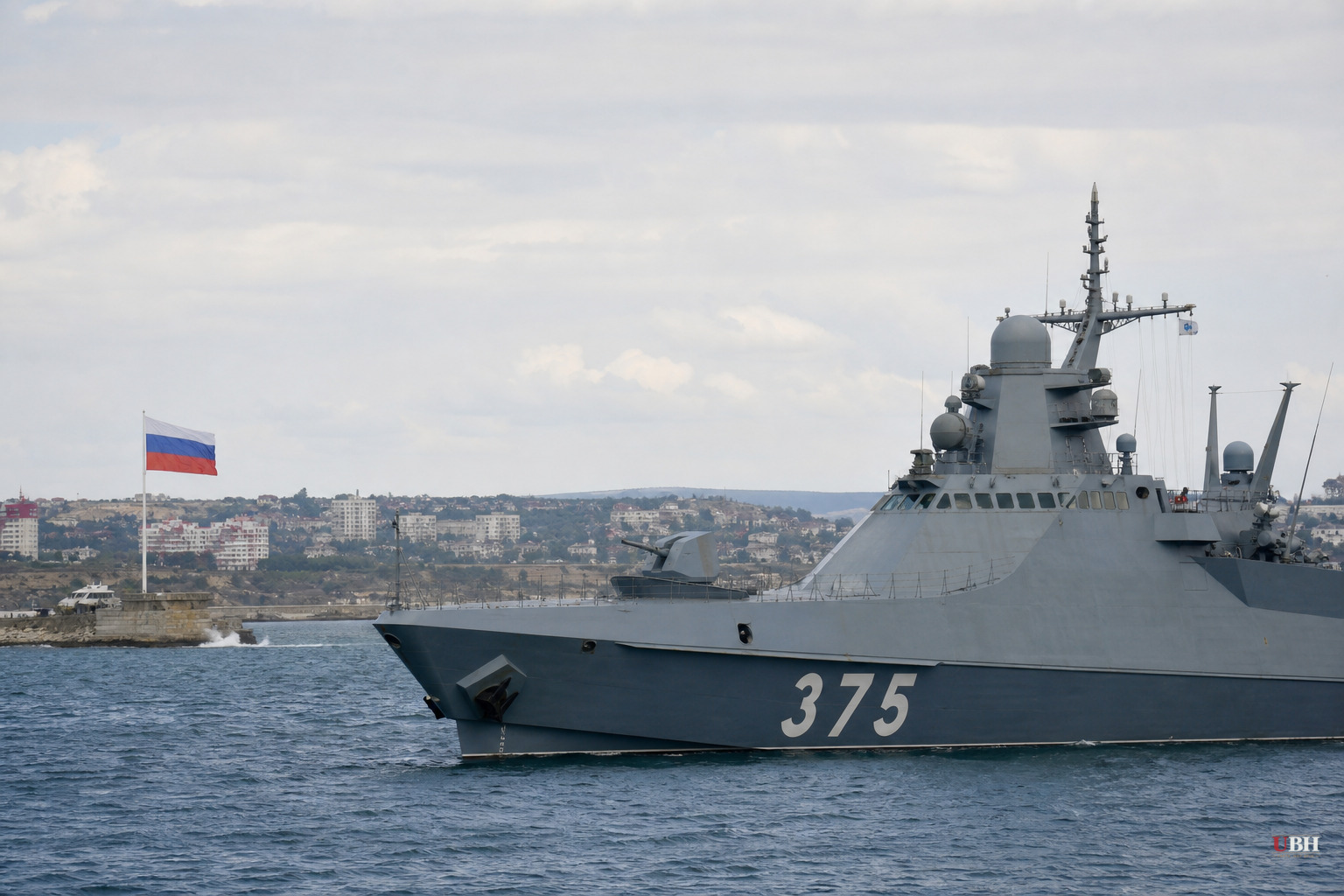
Both Sides Are Now Hitting Ships, and Both Sides Are Admitting It
Russia's Defense Ministry confirmed its forces struck more than 80 vessels believed to be supplying Ukraine's military during July, according to state news agency TASS. That's a hard number from Moscow's own ministry, not a Ukrainian estimate or Western intelligence guess.
TASS detailed specific strikes: two dry cargo ships, a sea ferry carrying military cargo, and a screening boat hit in overnight strikes on July 12. The same day, footage released by the ministry showed Geran-4 Seeker drones destroying a converted seiner, a patrol boat, a ferry, and another dry cargo ship. During the week of July 11-17 alone, Russia says it hit 24 seagoing vessels, including 14 dry cargo ships and one tanker.
Meanwhile, Ukraine is claiming strikes of its own in reverse, and the numbers on that side are bigger.
Ukraine Claims 124 Russia-Linked Ships Hit, 89 of Them Tankers
According to Ukraine's General Staff, at least 124 Russia-linked vessels were attacked in the Black and Azov Seas between July 8 and July 20, including 89 oil tankers, according to Bloomberg reporting cited by both Pravda.com.ua and RBC-Ukraine. That's Ukraine's own count of what it's doing to Russian shipping, not a Russian claim.
RBC-Ukraine also references an operation Ukraine's military is calling "MoLoCHKa," which reportedly targeted nearly 200 enemy vessels, striking 13 ships from what RBC-Ukraine describes as Russia's "shadow fleet" in just two days. Separately, Ukraine's Security Service reportedly ran a 40-day operation hitting Russian oil tankers, fuel depots, and even a bomber.
None of these Ukrainian claims are independently verified by a neutral third party in these reports. They come from Ukraine's own military and security services, relayed through Ukrainian outlets. The same caveat applies to Russia's numbers: they come from Russia's own Defense Ministry. Both governments have obvious incentives to inflate their own effectiveness and understate their losses. Readers should treat both sets of figures as claims by interested parties, not confirmed casualty counts from a neutral observer.
Russia Warns Its Own Waters Are Now Dangerous
Russia's Defense Ministry issued a bulletin dated July 22 warning all vessels that navigation inside Russia's own exclusive economic zone in the Black Sea is now dangerous, citing the threat from Ukrainian drones, according to Bloomberg reporting relayed by Pravda.com.ua, RBC-Ukraine, and The New Voice of Ukraine (NV).
That zone covers approaches to Novorossiysk, one of Russia's key oil and commodity export hubs. NV reports that after the attacks, Novorossiysk imposed what it called a "temporary verbal ban" on navigation from the north until 5 a.m. local time, citing security reasons. Restrictions of this type could affect cargo loadings at a port that normally runs around the clock.
This is Russia's own military telling shippers its waters aren't safe. The statement represents a notable shift from a government that spent the first years of the war insisting its Black Sea Fleet had the situation under control.
Why This Matters Beyond the War Zone
Bloomberg's reporting, cited by NV, flags the bigger picture: any prolonged disruption to oil exports crossing the Black Sea adds pressure to global energy markets already strained by disruptions tied to the U.S.-Iran conflict affecting the Strait of Hormuz and Red Sea shipping lanes. Novorossiysk isn't a minor port. It's one of Russia's primary outlets for crude and refined product exports.
ZeroHedge's framing leans into the "southern front" angle, describing an escalating maritime war that had largely spared Ukraine's own Black Sea ports like Odesa in the war's early years but is "fast changing." The ZeroHedge piece centers almost entirely on Russia's strike numbers against Ukrainian supply vessels without weighing in as heavily on Ukraine's counter-claims about Russian shadow-fleet tankers, which the Ukrainian outlets cover in far more detail.
At the same time, the Ukrainian outlets Pravda.com.ua, RBC-Ukraine, and NV are drawing from the same Bloomberg dispatch and lean heavily on Ukrainian General Staff figures without independent verification, while giving less space to Russia's own claimed 80-vessel July total.
What's Unresolved
No neutral, third-party maritime tracking organization's tally appears in any of these reports to independently confirm either side's strike numbers. Russia's claim of 80-plus vessels hit in July and Ukraine's claim of 124 Russia-linked vessels hit in a 12-day window in July are both self-reported by the belligerents.
What is confirmed by Russia's own ministry is that Moscow now considers its own Black Sea economic zone unsafe for shipping. This is a public acknowledgment that Ukraine's naval drone campaign has reached Russian home waters and a major export port. Whether Novorossiysk's restrictions become permanent and whether that starts showing up in global crude prices is the next thing to watch.
Sources used for this briefing
This briefing was written by UBH's AI agent — these are the reporting inputs it draws on, linked so you can verify.


