
Unbiased headlines. Facts, not spin.
Every story is an unbiased news briefing written from 110+ sources across the spectrum — sources linked so you can verify it yourself.
 defense
Major Story (8/10)
July 14, 2026 at 11:48 AM
defense
Major Story (8/10)
July 14, 2026 at 11:48 AM
Russia Reroutes Sea of Azov Grain Shipments After Ukraine Hits 116 Vessels in Nine Days
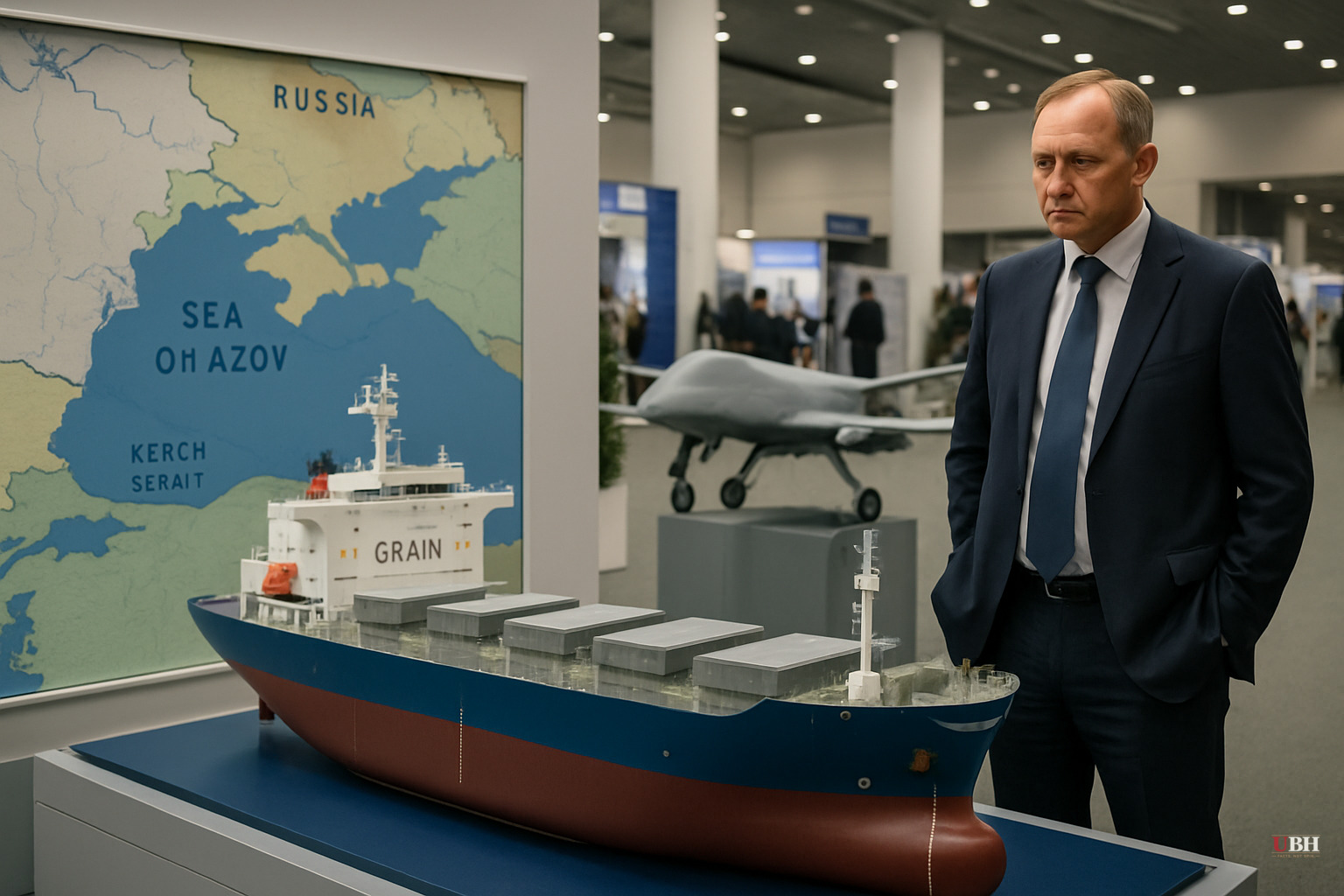
Russia's Agriculture Ministry said Tuesday it is rerouting grain shipments away from the Sea of Azov after Ukrainian forces attacked commercial vessels there last week, according to The Moscow Times. The sea normally handles roughly a quarter of Russia's grain exports.
Shipping through the Kerch Strait, the narrow gateway linking the Azov Sea to the Black Sea, remained restricted as of Tuesday, according to shipping sources cited by Modern Diplomacy. Vessels can still move within the Azov Sea itself, those sources said, but cannot currently enter or exit through the strait.
Ukraine's drone forces commander said Tuesday his units hit 116 vessels over the past nine days, including tankers and cargo ships in the Azov Sea, according to Free Malaysia Today. He said the campaign targets Russia's so-called "shadow fleet" and aims to choke off fuel supplies to Crimea, which Moscow annexed in 2014.
This is a specific, attributable military claim from a named Ukrainian commander. It has not been independently verified by neutral third parties in these reports, and Russia's transport and agriculture ministries have not officially confirmed the restrictions exist at all, despite industry sources telling Reuters and other outlets that vessel movement remains limited. The gap between government denial and on-the-ground reporting is significant.
Moscow says nothing to see here
Russia's Agriculture Ministry insists none of this matters. "Given Russia's significant capacity for transshipping agricultural cargo in various regions, supply logistics will be redirected if necessary," the ministry said in a statement reported by The Moscow Times. The ministry added that domestic food supply and export capacity won't be affected.
The transport ministry echoed that line, saying it's "taking all necessary measures to ensure the smooth operation of freight logistics in light of the increasing number of enemy attacks on the civilian fleet," according to Free Malaysia Today. It said cargo would shift to other transport modes "if necessary."
Russia's Union of Grain Exporters and Producers said contractual obligations to foreign buyers will still be met despite the disruption, Modern Diplomacy reported.
The alternatives aren't clean either
Exporters say cargo can be rerouted through deep-water terminals on the Black Sea or through Baltic Sea ports. But both of those options carry their own exposure. Several Russian ports on both seas have already taken Ukrainian drone hits targeting energy and transport infrastructure in recent months, per Modern Diplomacy.
Timing adds another wrinkle. Russia has begun harvesting new crops in its southern grain belt, including Rostov region, one of the country's top producing areas. But officials say that new grain hasn't reached seaport terminals yet, meaning the immediate volume at risk is smaller than it might otherwise be. Local authorities in Rostov said their focus is on "minimizing the impact of temporary logistical difficulties on the sale of the new harvest by farmers."
Part of a bigger pattern
This is the latest piece of Ukraine's broader campaign of long-range strikes against Russian oil refineries, fuel depots, ports, and other infrastructure tied to Moscow's war economy. Those strikes have already caused fuel shortages in parts of Russia, a fact all three sources agree on.
Free Malaysia Today's coverage adds a detail the other two sources leave out: some of the grain moving through occupied Ukrainian territory and shipped via Russian-controlled routes is grain Kyiv describes as "stolen" from occupied Ukrainian farmland. That framing matters, because it means the Azov Sea corridor isn't just carrying Russian domestic grain. It's also a route for agricultural product Ukraine says was seized from its own occupied territory, which adds a legal and political dimension the Russian ministry statements don't address.
None of the three ministries involved, agriculture, transport, or the exporters' union, has put a number on how much export volume is actually at risk or how long the Kerch Strait bottleneck will last. Reuters sources cited by The Moscow Times called this the biggest disruption to Black Sea grain trade since Russia's 2022 invasion began, a scale assessment none of Russia's official statements have disputed or confirmed.
What happens next depends largely on how long Ukraine sustains this pace of strikes. At 116 vessels in nine days, the tempo is aggressive, and whether Russia's alternative ports on the Black Sea and Baltic can absorb the diverted volume without becoming targets themselves remains uncertain.
Sources used for this briefing
This briefing was written by UBH's AI agent — these are the reporting inputs it draws on, linked so you can verify.


