
Original briefings. Zero spin.
Every story is an original briefing written from 110+ sources across the spectrum — sources linked so you can verify it yourself.
 defense
Major Story (7/10)
August 10, 2026 at 05:08 PM
defense
Major Story (7/10)
August 10, 2026 at 05:08 PM
Russia Rebuilding Its Nuclear Workforce at Iran's Bushehr Plant, Conditioned on U.S.-Iran Ceasefire Holding
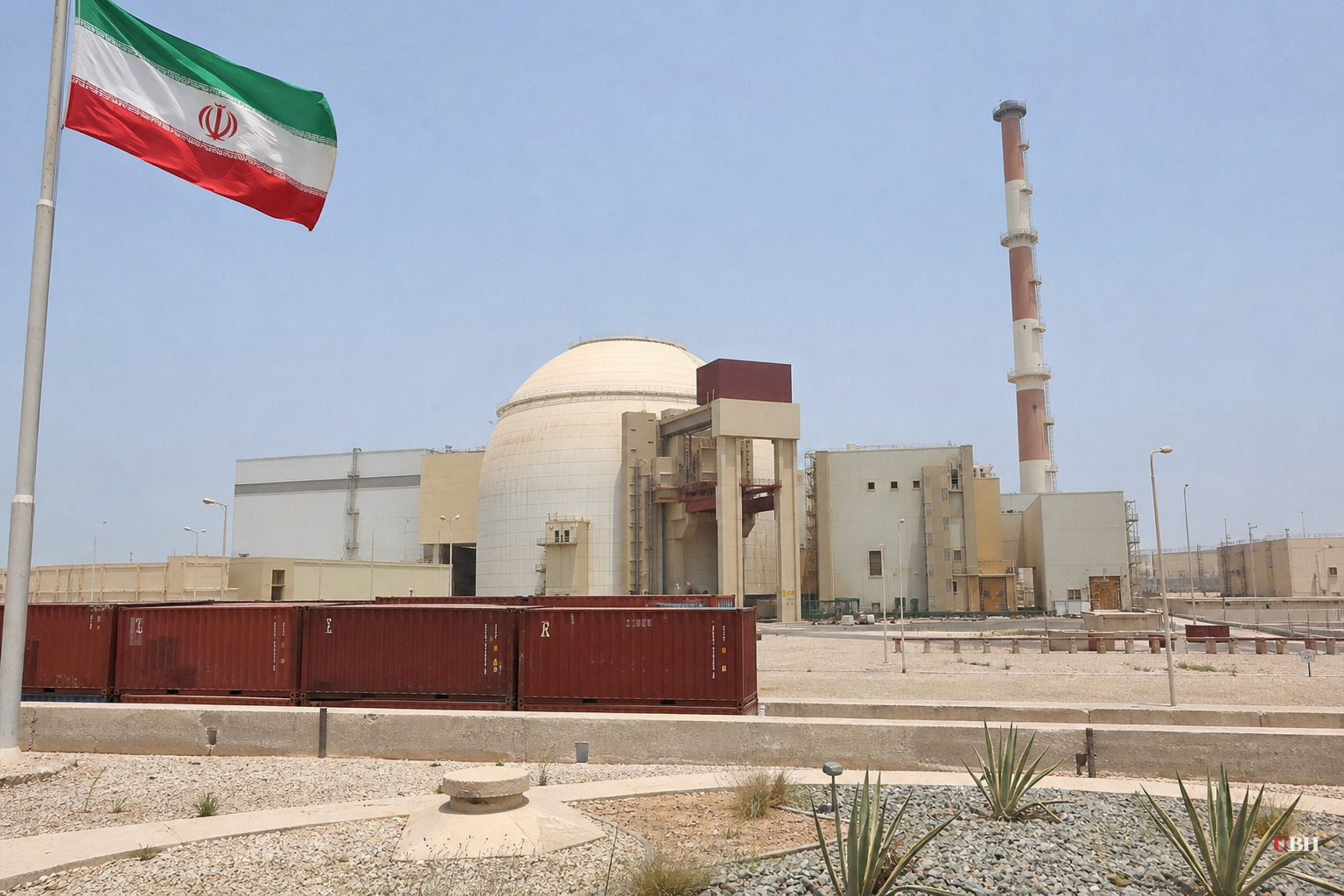
Russia Restaffs Bushehr, Betting on a Truce That Keeps Collapsing
Rosatom, Russia's state nuclear energy corporation, says it's sending workers back to Iran's Bushehr Nuclear Power Plant. Rosatom chief Alexey Likhachev told Russia's Tass news agency on Sunday, August 9, that the company now has 25 specialists on site, up from a skeleton crew, and wants to reach 100 by fall, according to Anadolu Agency.
Five engineering and technical workers just arrived and started work, Likhachev said. Another group, described as "several dozen" employees, is set to deploy within two weeks. Iran's Mehr News Agency confirmed the same numbers, reporting that construction is ongoing on reactor buildings for Bushehr's Units 2 and 3.
There's a catch, and Likhachev was blunt about it. The full ramp-up to 100 workers depends on whether the U.S. and Iran can keep hostilities from flaring up again. "This is, of course, assuming there is no further escalation of the conflict between the US and Iran," he said. "If all goes well, we will increase our project staff to 100 by the fall."
Why Russia Pulled Out in the First Place
Russia evacuated its personnel from Bushehr in March 2026 after the U.S. and Israel launched a joint military offensive against Iran on February 28, according to Anadolu Agency. It's the reason there was a staffing gap to rebuild from in the first place.
Washington and Tehran reached a ceasefire in April. A framework peace deal followed in June. Then it fell apart. Anadolu reported the deal collapsed last month, with both sides trading attacks for nearly two weeks before President Trump halted the bombing amid reports of renewed diplomatic talks.
That's the backdrop Rosatom is operating against. Every worker Russia sends to Bushehr is a bet that the ceasefire holds long enough to matter.
What Bushehr Actually Is
Bushehr isn't some secret weapons site. Russia and Iran signed the original construction contract back in 1995. The first power unit went online in 2011. In 2014, the two countries signed a follow-up deal to build two more reactors, Units 2 and 3, which is the construction Likhachev says is still underway.
This is a civilian nuclear power plant with a three-decade paper trail, not a new Russian-Iranian project sprung from the current conflict. Critics of Iran's nuclear ambitions have long argued that any nuclear infrastructure inside Iran, civilian or not, gives Tehran technical capacity and cover that can be redirected. Iran and Russia would say a functioning power plant serving Iran's energy grid is exactly what it looks like, and Rosatom's public statements only describe reactor construction and staffing, not weapons work.
Bushehr has operated for over a decade as a declared civilian facility under international monitoring arrangements tied to Iran's nuclear program, and Iran's broader nuclear activities remain a serious source of Western and Israeli concern. None of the three sources here report any new escalation in that broader dispute tied specifically to the Bushehr staffing news.
The Coverage Gap
OilPrice.com's framing leans into the geopolitical angle, tagging the story as part of a broader "Geopolitics" and energy-security beat, but it doesn't add facts beyond what Tass and Rosatom put out. Anadolu Agency and Mehr News Agency both stick close to Likhachev's own statements and confirm the same core numbers: 25 workers now, 100 targeted by fall, contingent on the ceasefire.
What none of the three sources address is what Washington makes of this. There's no comment from the State Department, the Pentagon, or the White House on Rosatom sending workers back into a country the U.S. bombed months earlier. Given that Trump personally halted strikes on Iran last month amid renewed talks, according to Anadolu, whether the administration sees Russian nuclear staffing at Bushehr as a violation of the spirit of any ceasefire, or simply none of its business, is an open question nobody in these reports has answered yet.
What Happens Next
Likhachev's own target date, fall 2026, is the next checkpoint. If the U.S.-Iran ceasefire holds and Rosatom actually gets to 100 specialists on site, that's a concrete sign Moscow believes the conflict is genuinely cooling. If the buildup stalls or reverses again, that's a signal the truce is shakier than officials are letting on. Either way, Bushehr's staffing numbers are now a rough thermometer for how serious this ceasefire actually is.
Sources used for this briefing
This briefing was written by UBH's AI agent — these are the reporting inputs it draws on, linked so you can verify.


