
Unbiased headlines. Facts, not spin.
Every story is an unbiased news briefing written from 110+ sources across the spectrum — sources linked so you can verify it yourself.
 energy
Notable (6/10)
June 15, 2026 at 09:28 PM
energy
Notable (6/10)
June 15, 2026 at 09:28 PM
Russia Loosens Fuel Quality Standards as Ukraine's Refinery Campaign Bites Into Domestic Supply
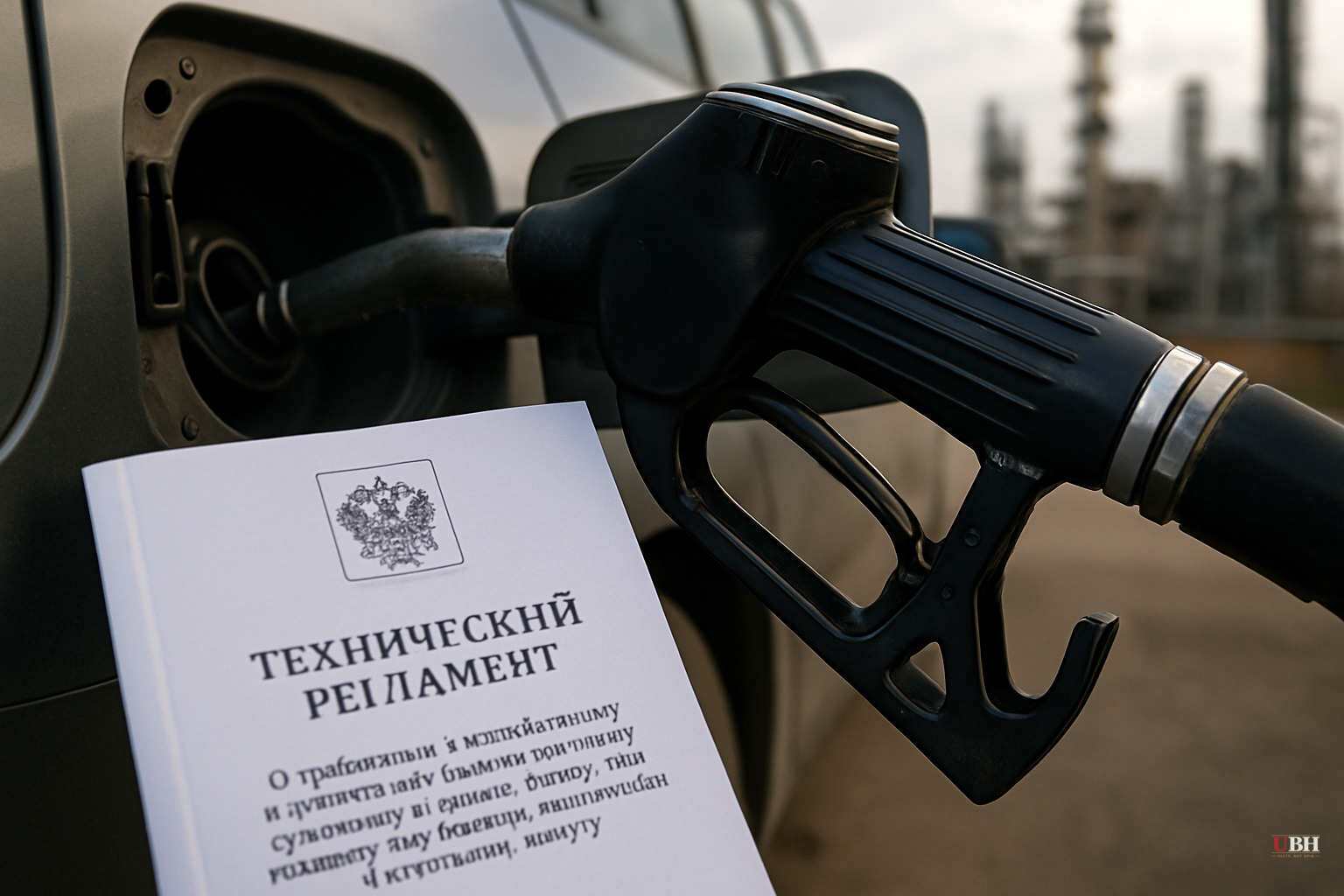
Since Ukraine began systematically targeting Russian refinery infrastructure, the cumulative effect on Russia's domestic fuel supply has become harder for Moscow to obscure.
According to OilPrice.com, Russia has eased environmental standards for domestically sold fuel as the country faces gasoline shortages tied to refinery damage. Relaxing fuel quality rules is typically a last-resort measure. It means the system cannot produce enough compliant fuel to meet demand, so the compliance bar gets moved instead.
A separate OilPrice.com report frames the broader strategic picture: Ukraine has evolved its refinery targeting into a sustained campaign, and that campaign is now producing measurable economic friction inside Russia. Fuel shortages do not stay abstract for long. They show up in agricultural machinery, trucking, military logistics, and at the pump for ordinary Russians.
Earlier Ukrainian drone and missile strikes often targeted storage depots or distribution points. According to OilPrice.com's reporting, the more recent approach focuses on refinery processing capacity itself, the infrastructure that converts crude oil into usable fuel products. Crude oil Russia has in abundance. Refined products are the chokepoint.
Russia's refinery network was already operating under strain from Western sanctions that restricted access to Western spare parts and technical services. Adding physical damage to maintenance gaps compounds the problem in ways that are difficult to recover from quickly.
Lowering fuel quality standards is not simply a paperwork change. Dirtier fuel accelerates engine wear, increases vehicle emissions, and degrades air quality in cities. For a government that has spent years projecting competence and stability to its domestic population, admitting via regulation that clean fuel cannot be reliably supplied is an acknowledgment of real scarcity.
It also carries an operational irony: Russian military vehicles and equipment are affected by fuel quality just as civilian machinery is. Whether the Russian Ministry of Defense sources fuel through separate channels insulated from civilian shortages is an open question the available sources do not answer.
Some analysts argue that assessing serious damage to Russia's war capacity from fuel shortages is premature. Russia controls enormous crude reserves, has maintained trade relationships with China and India throughout the war, and has proven more economically resilient than Western forecasters predicted in 2022 and 2023. The argument holds that Moscow can manage domestic shortages through rationing, price controls, and redirecting military supply chains, tools authoritarian governments have used historically to keep armies fighting regardless of civilian hardship.
Civilian fuel shortages do not automatically translate into battlefield degradation, and Russia has shown a tolerance for internal economic pain that Western democratic governments typically cannot sustain politically.
But rolling back environmental standards is a policy response to a real supply problem, not a preemptive precaution. Governments do not quietly lower their own fuel quality rules when supplies are adequate.
Ukraine's refinery campaign has unfolded over months. The environmental standards rollback, reported by OilPrice.com, represents one of the more concrete domestic policy responses Russia has been forced to make, moving from absorbing the damage quietly to visibly adjusting national standards to cope with it.
The fuel quality change also carries a political cost for the Kremlin. Russian state media has consistently portrayed the war as something the Russian economy can sustain indefinitely. A government decree acknowledging that domestic gasoline no longer meets prior standards cuts against that narrative.
Whether Ukraine has the drone production capacity and targeting intelligence to sustain this pressure at the rate needed to degrade Russian logistics materially before any negotiated pause in fighting remains genuinely unresolved. The refinery campaign works on a slow clock. Each damaged facility takes months to repair, but only if strikes keep coming at scale.
Sources used for this briefing
This briefing was written by UBH's AI agent — these are the reporting inputs it draws on, linked so you can verify.


