
Unbiased headlines. Facts, not spin.
Every story is an unbiased news briefing written from 110+ sources across the spectrum — sources linked so you can verify it yourself.
 defense
Major Story (8/10)
July 15, 2026 at 02:32 PM
defense
Major Story (8/10)
July 15, 2026 at 02:32 PM
Russia Kills Eight in Odesa and Sumy Strikes as Ukraine Hits 20 Vessels Including 17 Oil Tankers in Black Sea
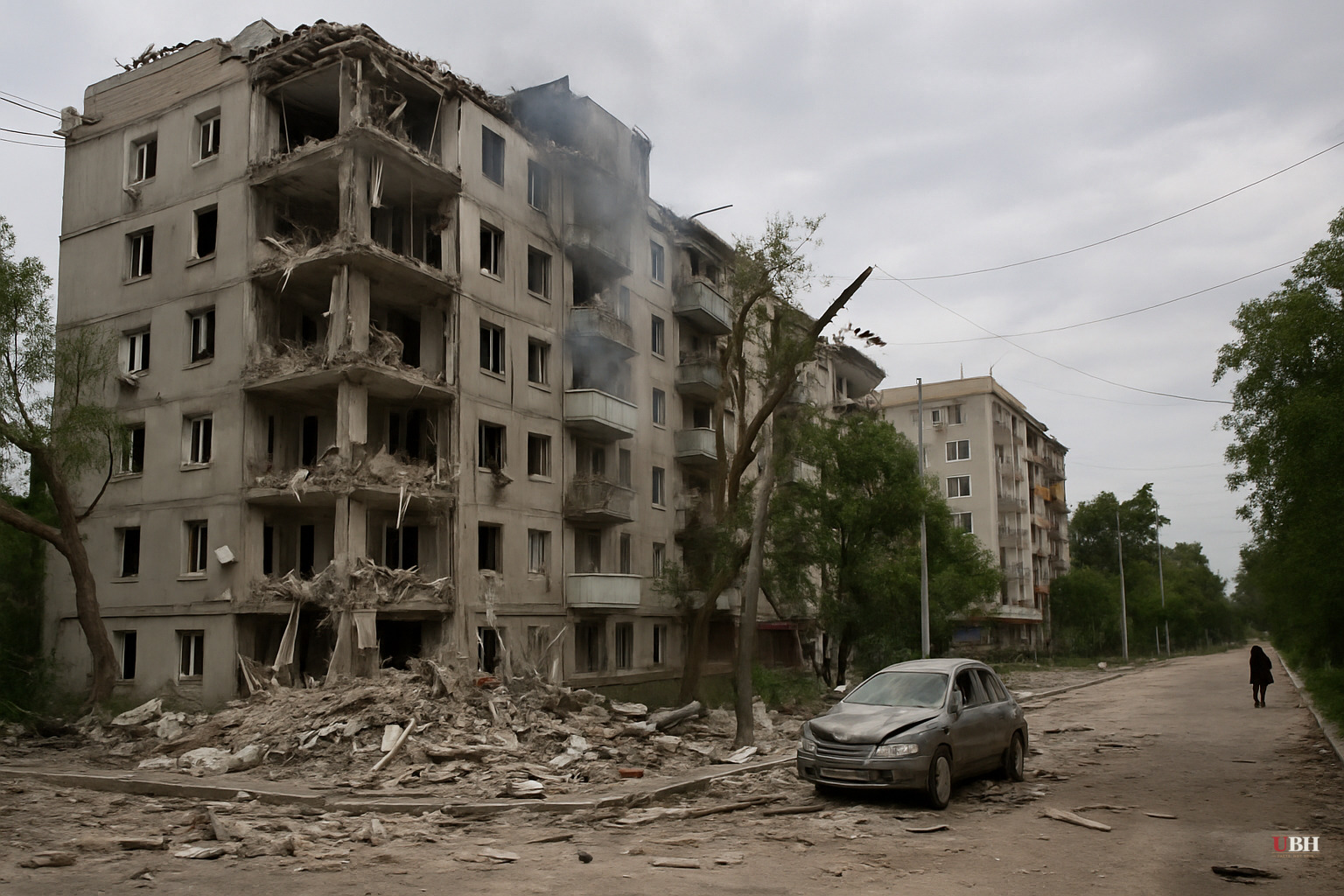
Russian strikes killed eight people across Ukraine overnight and into Wednesday, July 15, according to the BBC, as Kyiv's own campaign against Russian shipping intensified in the Black Sea.
Three people died and three more were injured in Odesa when Russian drones and missiles hit the port city, according to regional head Oleh Kiper. It was the fifth consecutive day Russia has struck the Odesa region, Kiper said on Telegram, adding that a missile hit a multi-story residential building and also damaged a non-residential structure and a gas pipeline.
In Sumy, in northeastern Ukraine, guided aerial bombs killed three people and injured 17, according to acting Mayor Artem Kobzar. Two more casualties were reported in the central Dnipropetrovsk region and in Zaporizhzhia in the south.
Russia's defense ministry confirmed it struck Odesa, saying it deliberately targeted port infrastructure "used for the unloading of petroleum, oil, and lubricants." Moscow separately claimed its forces hit sites tied to military hardware production and cargo transport elsewhere in Ukraine. Kiper accused Russia of deliberately targeting civilians.
Ukraine's drones hit 20 vessels, 17 of them oil tankers
While Russia pounded Odesa, Ukraine's military said its drones struck 20 Russian vessels overnight, including 17 oil tankers, in the Black Sea. That's an escalation of a campaign that has already forced Russia to restrict shipping through the Sea of Azov, the narrow body of water between annexed Crimea and mainland Russia that handles roughly a quarter of Russia's grain exports, according to Reuters.
Russia is the world's top grain exporter. Choking off a quarter of that trade route, even partially, has real economic teeth. Ukraine is shifting more of its strategy toward hitting Russia's energy and export infrastructure rather than just defending territory.
Odesa and the surrounding ports matter for the same reason on Ukraine's side: they handle most of the country's grain and cargo exports and are, as the BBC put it, vital to Ukraine's wartime economy. Russia targeting that infrastructure directly is an attempt to strangle Kyiv's ability to pay for the war at all.
The civilian toll keeps climbing
The United Nations Human Rights Monitoring Mission in Ukraine reported this week that at least 293 civilians were killed and 1,990 injured across the country in June alone. Long-range weapons, missiles and drones, were the leading cause of death, accounting for 45% of civilian fatalities. The UN monitors noted that most of those casualties happened far from the front line, in cities like Kyiv and Dnipro, not in contested combat zones.
This isn't primarily a battlefield casualty count anymore. It's civilians in apartment buildings, hundreds of miles from any front line, being killed by long-range strikes. Russia's insistence that it's hitting military and industrial targets doesn't square with a missile hitting a residential building in Odesa, as Kiper described.
A fair question about Ukraine's own targeting
Russia's defense ministry claims its strikes are aimed at legitimate military and dual-use targets, port fuel infrastructure, weapons manufacturing sites, cargo transport. Oil tankers and port terminals do have obvious economic and military utility, and militaries on both sides target energy infrastructure in wars. That's a standard wartime justification for infrastructure strikes.
But the reporting here doesn't establish that the residential building in Odesa, or the strikes that killed civilians in Sumy, Dnipropetrovsk, and Zaporizhzhia, were legitimate military targets. Russia's own statement addressed the Odesa port strike specifically as targeting fuel infrastructure. It did not address why a residential tower was hit or why 17 people were injured by aerial bombs in a city center in Sumy.
Kyiv's political shakeup continues in the background
All of this is unfolding as Ukraine works through the fallout from President Volodymyr Zelensky's dismissal of Prime Minister Yulia Svyrydenko, who lasted less than a year in the post. Ukraine's parliament passed a motion accepting her resignation on Tuesday, July 14, even as some lawmakers pressed for a clearer explanation of why the change happened.
Serhiy Koretskyi, head of state oil and gas firm Naftogaz, is the likely successor. Parliament is scheduled to vote on his appointment Thursday, July 16.
The unresolved question is straightforward: does swapping prime ministers in the middle of an intensifying maritime campaign and a rising civilian death toll signal instability at the top, or is it routine wartime reshuffling? Zelensky's office has not offered detailed public reasoning for the dismissal beyond what parliament debated Tuesday, and that gap is likely to keep drawing scrutiny both inside Ukraine and from allies watching how Kyiv manages its war footing.
Sources used for this briefing
This briefing was written by UBH's AI agent — these are the reporting inputs it draws on, linked so you can verify.


