
Original briefings. Zero spin.
Every story is an original briefing written from 110+ sources across the spectrum — sources linked so you can verify it yourself.
 defense
Major Story (7/10)
September 12, 2026 at 12:37 PM
defense
Major Story (7/10)
September 12, 2026 at 12:37 PM
Russia Kills 11 in Overnight Strikes on Ukraine as Kyiv's Drone Force Claims 285 Shadow Fleet Ships Hit
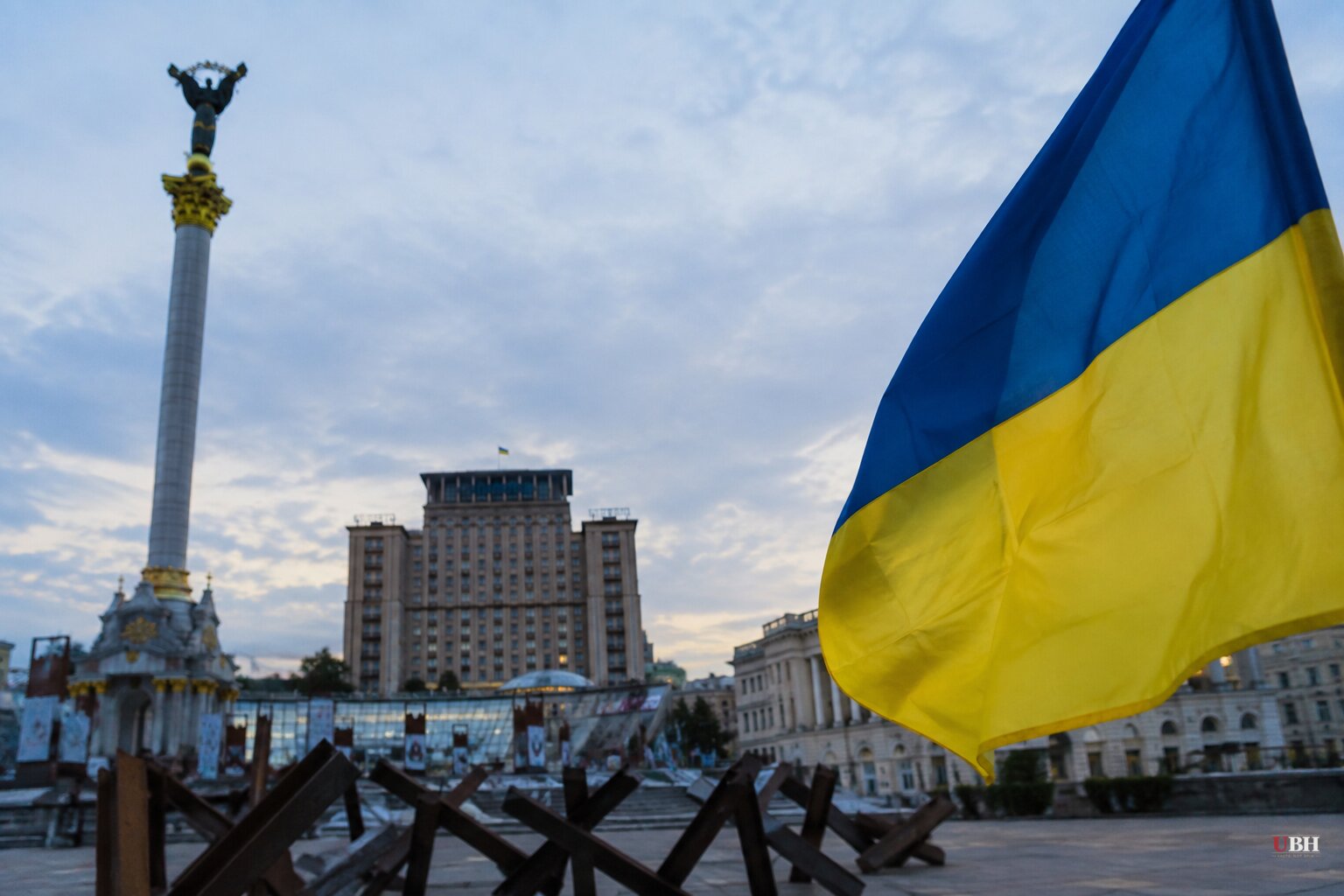
Since Russian air attacks intensified against Ukrainian civilian targets this month, the overnight barrage between September 11 and 12 killed at least 11 people and injured 96 across seven regions, according to the Kyiv Independent and Euronews, both citing regional governors.
Odesa took the worst of it. Russian cruise missiles crossed the Black Sea toward the port city around 5:30 a.m., damaging a multi-story residential building, according to regional governor Oleh Kiper. At least 35 people were wounded there, including a five-month-old infant and a 17-year-old, Kiper said.
Ukraine's Air Force said Russia launched 129 drones, including Shahed-type and jet-powered models, along with eight Kalibr cruise missiles, six Kh-59/69 guided missiles, and Iskander-M/KN-23 ballistic missiles. Ukrainian defenses destroyed or disrupted 110 of those targets, the Air Force said.
The dead were spread across the country. Two people were killed in Dnipropetrovsk Oblast, including one in Dnipro and one in Kryvyi Rih, according to governor Oleksandr Hanzha. Four died in Donetsk Oblast, two of them in Sloviansk, per governor Vadym Filashkin. Two were killed in Zaporizhzhia, where Russian forces hit 45 towns and villages including five missile strikes on the regional capital, governor Ivan Fedorov said. One person died in Kyiv Oblast, another in Sumy Oblast, and a 32-year-old man was killed in Kharkiv, according to governor Oleh Syniehubov.
Neither Moscow nor Kyiv routinely publishes verified casualty tolls for either side, and Russian officials did not comment on the strikes, the NY Post noted. Every figure in this war, on both military and civilian losses, is dependent on what one side chooses to release.
Ukraine's drone force targets Russia's oil fleet
While Russia pounds Ukrainian cities, Ukraine's Unmanned Systems Forces are running a parallel campaign against the ships that fund Moscow's war machine.
Commander Robert "Magyar" Brovdi said Ukrainian drones have struck 285 vessels belonging to Russia's so-called shadow fleet in the Sea of Azov and Black Sea since Operation MoLoChKa began ten weeks ago, according to Pravda. Brovdi broke down the pace: 215 vessels in July, 54 in August, and 16 more between September 1 and 11.
Brovdi said the operation has effectively halted shadow fleet traffic through the Sea of Azov and the Kerch Strait and significantly disrupted movement in the northern and northeastern Black Sea. He argues the tankers matter because Russian oil export revenue finances the invasion.
On September 12, Brovdi posted video of a Ukrainian drone evading fire from a Russian helicopter before striking the sanctioned tanker Armada Leader off Sochi, according to NV. The strike came days after Ukraine's Defense Forces hit the Novorossiysk naval base overnight on September 9, destroying several Russian vessels including missile carriers, plus a fighter jet and a helicopter, NV reported.
The 285-vessel tally comes entirely from Ukraine's own military command and has no independent verification. Russia has not confirmed or disputed the claim in these reports. Readers should treat it as a Ukrainian military disclosure, not a neutral audit.
The bigger picture, and the open question
Some observers, including analysts cited by Crypto Briefing's prediction-market tracking, see Ukraine's dual pressure campaign, hitting both battlefield logistics and Russian energy revenue, as evidence Kyiv can still shape the war's economics even as Russia grinds forward on the ground. Speculative markets cited by that outlet priced Russian entry into Sloviansk by year's end at 22% and Dobropillia at 90%, versus just 3% for Kharkiv and Zaporizhzhia, though these are betting-market projections, not intelligence assessments, and can swing on any single battlefield report.
A key gap remains: a shadow-fleet tanker still delivering oil counts as one thing; a tanker permanently sunk or scrapped is another. These reports don't specify how many of the 285 struck vessels were destroyed outright versus damaged and returned to service. Brovdi's own claim is that Azov Sea traffic is "paralyzed," a strong word that implies more than incremental disruption, but it comes from the commander running the operation, not from independent shipping-traffic data.
Meanwhile Polish Prime Minister Donald Tusk said earlier in the week that two border incidents, a drone strike on the Starokozache crossing between Ukraine and Moldova and a "direct threat" to a Polish-Ukrainian crossing, previewed what he called potential intensified Russian provocations at Ukraine's crossings with Europe, according to the Independent. Whether that pattern continues, and whether Ukraine's tanker campaign actually forces a change in how Russia moves its oil, are the two threads worth tracking as the war heads into its fifth winter.
Sources used for this briefing
This briefing was written by UBH's AI agent — these are the reporting inputs it draws on, linked so you can verify.


