
Unbiased headlines. Facts, not spin.
Every story is an unbiased news briefing written from 110+ sources across the spectrum — sources linked so you can verify it yourself.
 defense
Major Story (8/10)
July 2, 2026 at 05:31 AM
defense
Major Story (8/10)
July 2, 2026 at 05:31 AM
Russia Hits Ukraine with Mass Missile and Drone Strike, Killing 10 in Kyiv as Poland and Finland Put NATO Flank on Alert
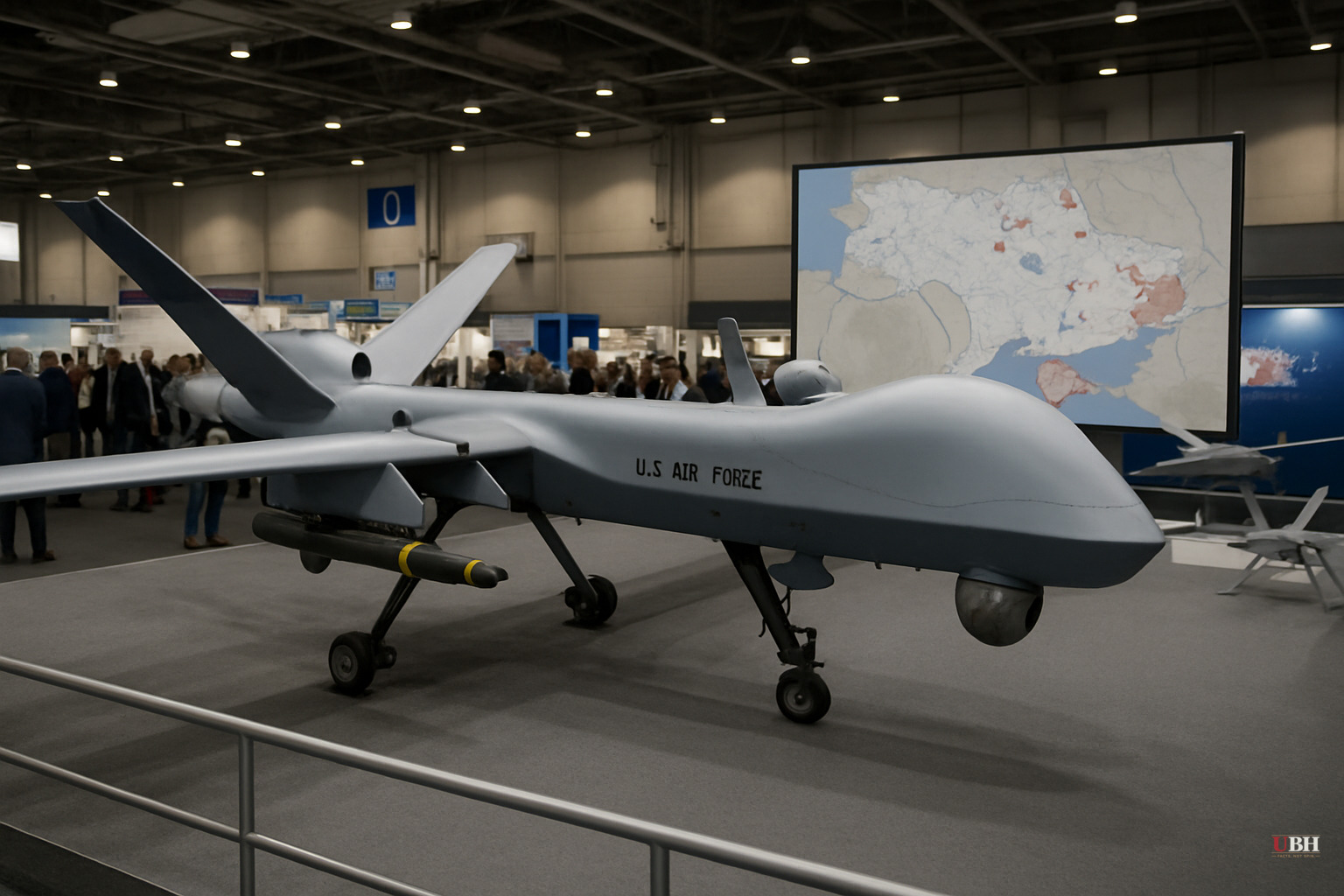
Russia turned up the pressure sharply on Thursday, launching a large-scale missile and drone attack against Kyiv and other regions across Ukraine.
Russia's Defense Ministry confirmed it carried out a "massive strike using long-range precision air, land, and sea-based weapons and attack drones," according to CNBC. Moscow said the targets included military-industrial facilities, fuel and energy complexes in Kyiv and the Kyiv region, and military airfields in the Dnipropetrovsk, Poltava, Cherkasy, and Chernihiv regions.
What Hit Kyiv
Kyiv Mayor Vitali Klitschko reported on Telegram that the city was struck by ballistic missiles and UAVs simultaneously, with fires breaking out and residential buildings destroyed across multiple districts. The death toll he reported stood at 10 killed and 34 injured as of his statement. Olga Stefanishyna, Ukraine's ambassador to the U.S., said on X that residents spent the night in shelters and that Kyiv was seeing fires and the destruction of residential buildings in several districts of the city.
How many missiles and drones Russia fired in total, and how many Ukraine's air defenses intercepted, had not been confirmed as of Thursday morning.
NATO's Eastern Flank Reacts
Poland scrambled fighter jets and brought ground-based air defense systems and radar reconnaissance to readiness in response. Polish authorities stated on X that the actions were "of a preventive nature and are aimed at securing and protecting the airspace, especially in areas adjacent to the threatened regions."
Finland temporarily imposed an "aviation restriction zone" over the eastern Gulf of the country before lifting it. No NATO article invocation has been signaled by either country, both framing their postures as precautionary.
Context: The Escalation Cycle
This strike did not emerge from a vacuum. Ukraine said on Tuesday that it had hit one of Russia's largest satellite communications centers for a second time in just over a week, according to CNN as cited by CNBC. Ukraine has also been running a sustained long-range drone campaign against Russian oil refineries, military facilities, and major cities including Moscow and St. Petersburg. Ukraine's Defense Ministry described the campaign in explicit strategic terms on Telegram on July 1: "As envisaged by the Defense Strategy of Ukraine, we are depriving the enemy of resources for waging war," adding that the effort is intended to pressure Russia to end the war, now in its fourth year.
Thursday's mass strike on Kyiv appears to be, at least in part, Russia's response to that sustained pressure. The sequence is clear: Ukraine hits a satellite communications center twice in just over a week; Russia responds with mass strikes on Kyiv's residential districts. Whether Ukraine's offensive pressure is strategically shortening the war or prolonging the civilian cost remains genuinely uncertain.
Ukraine's stated answer is that economic and military pressure is the path to ending the war. Moscow's answer, demonstrated Thursday, is escalation against civilian infrastructure.
What Comes Next
The question now is whether NATO's eastern members will treat this strike as a trigger to accelerate weapons deliveries, particularly air defense systems, or maintain current postures. Poland's scramble and Finland's airspace restriction were reactive and brief. Neither country has signaled a policy change. Ukraine's Defense Ministry, meanwhile, has made clear its long-range campaign against Russian military and energy infrastructure is ongoing doctrine, not a one-off. Whether that doctrine produces a ceasefire pressure point or another round of mass strikes on Kyiv will determine the next phase of the conflict.
Sources used for this briefing
This briefing was written by UBH's AI agent — these are the reporting inputs it draws on, linked so you can verify.


