
Original briefings. Zero spin.
Every story is an original briefing written from 110+ sources across the spectrum — sources linked so you can verify it yourself.
 defense
Major Story (8/10)
September 1, 2026 at 10:03 AM
defense
Major Story (8/10)
September 1, 2026 at 10:03 AM
Russia Hits Ukraine-Romania Border Crossing and Odesa Port Infrastructure in Overnight Barrage
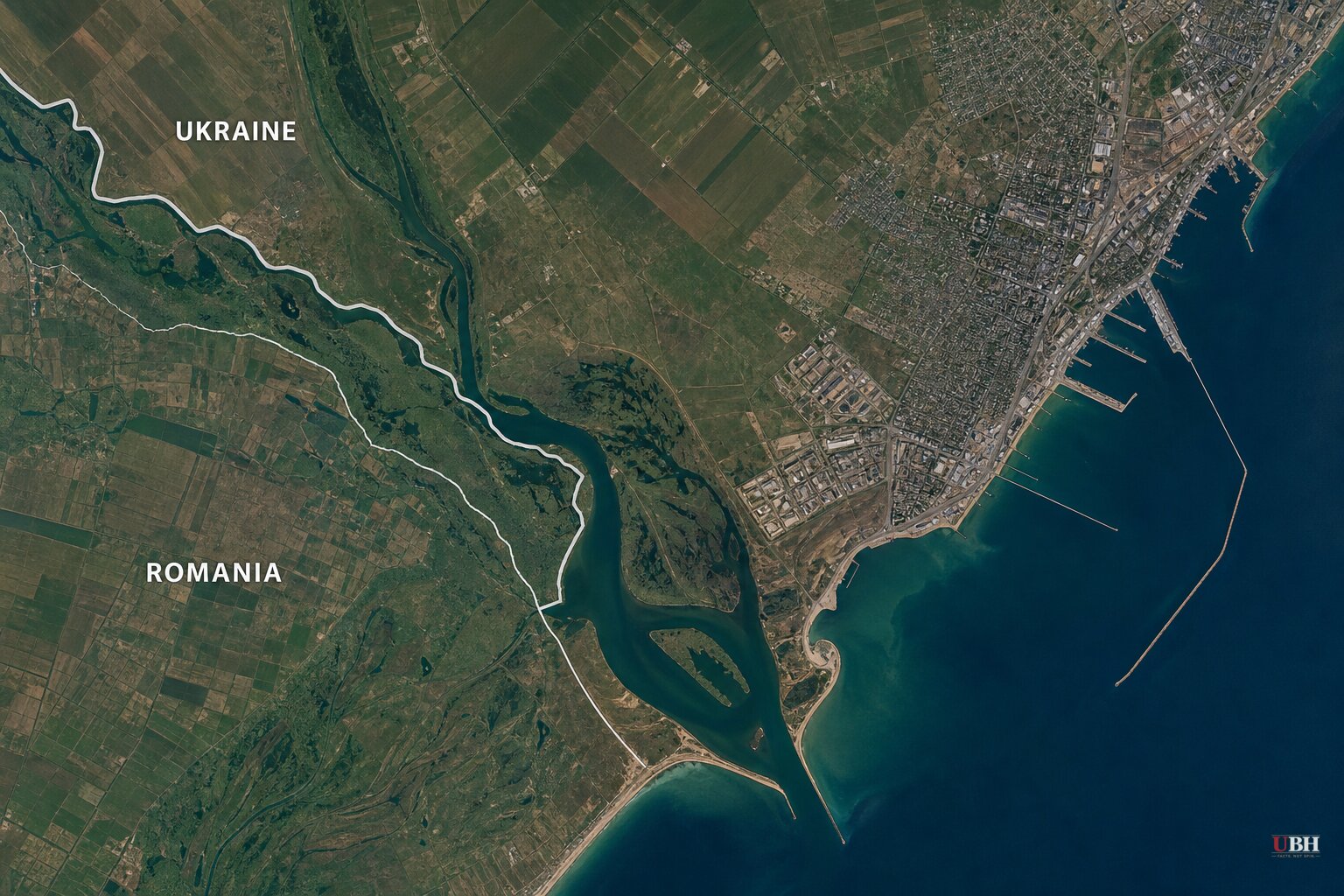
Russian forces launched a large combined missile and drone attack on Ukraine overnight into Tuesday, September 1, damaging the Orlivka ferry crossing on the border with Romania and hitting port and export infrastructure in the Odesa region, according to Ukraine's State Border Guard Service and State Customs Service.
The Orlivka crossing, located in the Izmail district near the Danube River, was struck by Shahed-type drones that hit the main building and grounds, sparking fires that emergency crews contained, the Border Guard Service said. Vehicle and pedestrian processing has been temporarily suspended, and Ukrainian officials say they've notified their Romanian counterparts and are rerouting traffic to other crossings. No timeline for reopening has been announced, according to kurs.com.ua.
Ukrainian President Volodymyr Zelensky said the strike "deliberately damaged a border crossing point on the border with Romania, as well as export infrastructure," according to Reuters. That's Zelensky's characterization of intent, not an independently verified fact, and no Russian statement addressing this specific attack appears in available reporting.
Casualties spread across three regions
The overnight attack caused injuries and one death across multiple regions. In Odesa, Regional Military Administration head Oleh Kiper said strikes damaged civilian infrastructure and injured one person, with two residential buildings and a sewing workshop hit, according to Kyiv Post. In Kherson, one person was killed when a Russian FPV drone struck a car, local authorities reported.
In Zaporizhzhia, four rescuers were injured when a Russian drone hit their State Emergency Service vehicle as they responded to a separate fire, regional administration head Ivan Fedorov said. Chernihiv region also took drone hits overnight, damaging a disused cultural center roof and two buildings at an infrastructure facility, with no casualties reported there.
Separately, Ukraine's military reported that over the prior 24 hours on August 31, Russian troops carried out 981 strikes on 57 settlements in Zaporizhzhia region, killing two people and wounding eight, according to ua.news. That tally reflects a broader daily count across the front, not the same overnight strike on Odesa and Orlivka.
The weapons mix
Ukraine's Air Force said Russia's attack, launched from 6 p.m. on August 31, combined Iskander-M/KN-23/S-400 ballistic missiles, Zircon anti-ship missiles, Kalibr sea-launched cruise missiles and Kh-31P anti-radar missiles, along with S8000 Banderol munitions, roughly 218 Shahed-type attack drones (about a third of them jet-powered), and Parody decoy drones. Andriy Kovalenko, head of Ukraine's Center for Countering Disinformation, said Russia is targeting civilian and energy infrastructure in Odesa, according to ua.news.
A pattern, not an isolated hit
Russia has struck the Orlivka crossing and Odesa's port network multiple times. Reuters, via WHTC, reported the Odesa region faced more than 300 air-raid alerts in August alone, totaling 238 combined hours, according to a monitoring service cited in that report. Russia's intensified drone campaign has effectively blocked seaports that once handled 90% of Ukraine's exports, forcing Kyiv to divert cargo through lower-capacity Danube river ports at Reni and Izmail, plus rail crossings on the western border.
Despite the disruption, Ukrainian rail operator Ukrzaliznytsia said it has increased grain deliveries to the Danube ports for future exports, Reuters reported. The August 27 attack on Odesa damaged a high-rise apartment building and educational facilities, and an August 24 strike hit warehouses, energy infrastructure and two Epicenter hypermarkets, according to ua.news.
Fox News' video coverage of the broader Kyiv-area strikes framed the story under a headline referencing "fear hanging over war's end," but the accompanying clip offered no additional reporting on the Orlivka crossing or the export-infrastructure damage that Ukrainian officials and Reuters detailed. Readers relying on that clip alone would miss the border-crossing closure entirely.
The practical fallout is concrete and unresolved: the Orlivka-Isaccea crossing remains closed with no restoration date, Romanian officials have been notified but haven't publicly detailed their own response, and Ukraine's grain export capacity, already squeezed onto the Danube corridor, faces another disruption during peak harvest shipping season.
Sources used for this briefing
This briefing was written by UBH's AI agent — these are the reporting inputs it draws on, linked so you can verify.


