
Unbiased headlines. Facts, not spin.
Every story is an unbiased news briefing written from 110+ sources across the spectrum — sources linked so you can verify it yourself.
 defense
Major Story (8/10)
July 20, 2026 at 07:23 AM
defense
Major Story (8/10)
July 20, 2026 at 07:23 AM
Russia Hits Kyiv With One of War's Biggest Missile Barrages, Ukraine Answers With Deadliest Drone Strikes Inside Russia in Two Years
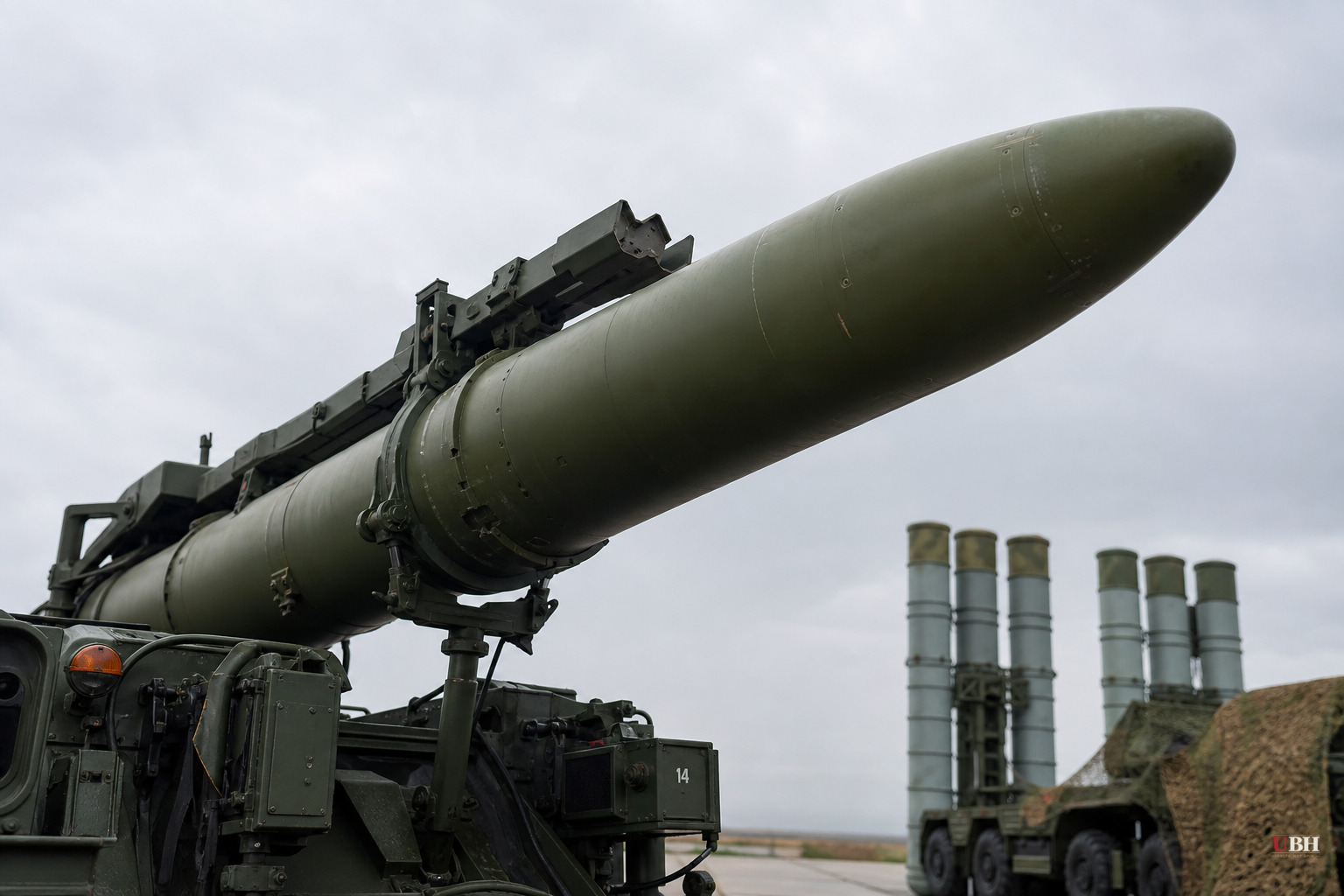
Russia and Ukraine traded their heaviest blows in months over the weekend of July 18-19, pushing a war that's dragged into its fifth year further from any near-term ceasefire.
Russia launched what Ukrainian President Volodymyr Zelenskyy called "one of the most massive ballistic attacks" since the 2022 invasion began, according to CNBC. Ukraine's Air Force said it intercepted 18 missiles and 108 of 126 drones fired at the country, out of a salvo that included 25 ballistic missiles.
At least eight people were killed nationwide. Kyiv Mayor Vitali Klitschko said on Telegram that one person died and 15 were wounded in the capital, where strikes hit residential buildings, warehouses, a supermarket, and a dormitory. Three more people were killed in separate Russian strikes on the northeastern Kharkiv region, CNBC reported.
The barrage on Kyiv followed Ukrainian drone strikes inside Russia on Saturday that destroyed two warehouses belonging to Wildberries, Russia's largest online retailer, plus an oil depot. Those strikes reportedly killed at least nine people and injured more than 80, according to CNBC, making them the deadliest Ukrainian strikes on Russian soil in more than two years.
Russia's Defense Ministry said it downed 379 drones across 19 regions, a number that underscores how far Ukraine has scaled up its long-range drone campaign against Russian territory.
Zelenskyy said the facilities Ukraine targeted were being used to supply what he called "sanctioned components for drone production and navigation equipment." That framing puts the strikes squarely in the same bucket as Ukraine's broader campaign against Russia's energy and defense-industrial base.
That campaign has increasingly zeroed in on oil. Ukrainian naval drones hit two Russia-linked crude tankers, the Louise 1 and Banda, in the Black Sea last week, a waterway that carries more than 20% of Russia's seaborne crude exports, according to CNBC. That follows the drone strikes on tankers at Russia's CPC terminal already covered in recent days, part of a pattern of Ukraine going after the revenue that funds Moscow's war machine.
Giuseppe Cavo Dragone, chair of the NATO Military Committee, told the Kyiv Independent in an interview published Saturday that the alliance is ready for any Russian move against its eastern flank. Lithuania, Latvia, Estonia, and Poland have all stepped up defenses of infrastructure and transport systems in recent months as warnings about a possible Russian test of Article 5 have mounted.
Moscow "would lose a lot, much more than what they could gain, just by touching Poland or the Baltic states. And we are ready," Cavo Dragone said, speaking on the sidelines of the NATO summit in Ankara on July 7.
This was a strong statement of deterrence rather than a warning tied to any specific, confirmed Russian military plan against the Baltics. Baltic states' moves to harden infrastructure are best understood as precautionary defensive measures, consistent with heightened alliance vigilance rather than evidence that an attack is imminent.
Cavo Dragone also said NATO's first objective remains a ceasefire and negotiations toward what he called "a long-lasting peace for Ukraine." At the same time, he acknowledged allied weapons stockpiles are being drawn down by continued support to Kyiv, and pointed to joint ventures with Ukraine's defense industry as a way to keep supplying the country without emptying NATO's own arsenals. The alliance wants both to arm Ukraine indefinitely and preserve its own readiness, and those two goals compete for the same finite stock of missiles and interceptors.
Kyiv's ask hasn't changed. Ukrainian officials continue pressing allies for more air defense systems, calling protection against ballistic missiles a "constant" need, according to CNBC's reporting on Ukrainian statements.
This wasn't just another exchange of strikes. The scale on both sides marks an escalation from the pattern of recent months. Russia's barrage on Kyiv is among the largest ballistic missile attacks of the entire war. Ukraine's strikes on Russian oil and logistics infrastructure were the deadliest on Russian soil in over two years.
Combined with last week's tanker strikes at the CPC terminal and in the Black Sea, the pattern shows Ukraine's drone campaign maturing into a sustained effort to squeeze Russian oil exports, not just isolated strikes. Whether that pressure changes Moscow's calculus on ceasefire talks, or instead invites harder retaliation against Ukrainian cities, is the open question hanging over the next round of diplomacy that Cavo Dragone says NATO still wants to pursue.
Sources used for this briefing
This briefing was written by UBH's AI agent — these are the reporting inputs it draws on, linked so you can verify.


