
Unbiased headlines. Facts, not spin.
Every story is an unbiased news briefing written from 110+ sources across the spectrum — sources linked so you can verify it yourself.
 defense
Major Story (7/10)
August 4, 2026 at 12:17 PM
defense
Major Story (7/10)
August 4, 2026 at 12:17 PM
Russia Has Destroyed Over 200 Gas Stations Across Ukraine's Front-Line Regions Since Early 2026
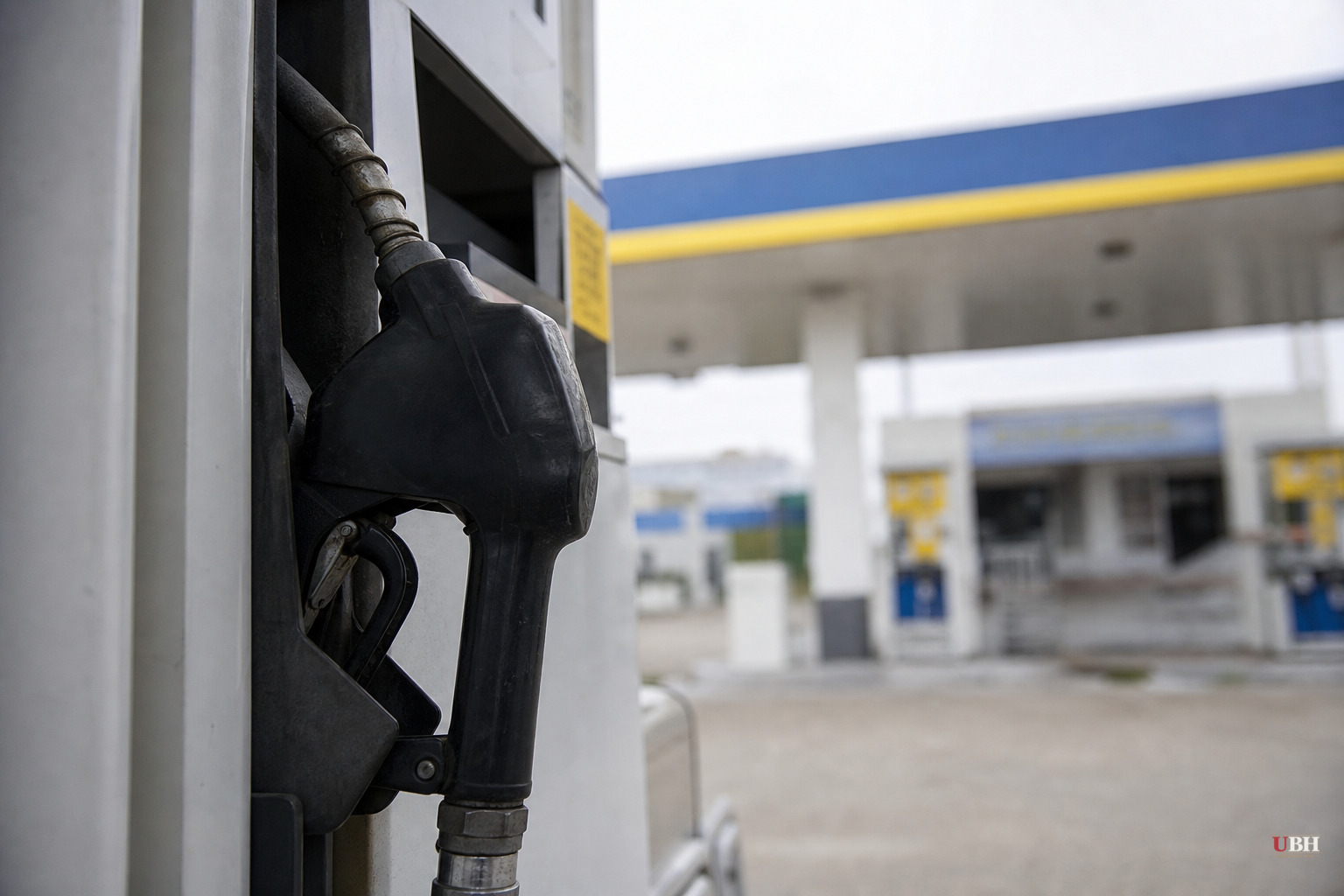
A Russian strike on a gas station in Shyroke, a town on a highway roughly 19 miles south of Kryvyi Rih in Dnipropetrovsk Oblast, killed three people Monday, including a rescue worker and his 8-year-old son, according to Ukraine's State Emergency Service. Six others were injured. Dnipropetrovsk Oblast Governor Oleksandr Hanzha reported a higher toll of 11 injured and said the strike sparked a fire that damaged the station and nearby cars.
That single attack is part of a much bigger pattern. Russia has destroyed more than 200 gas stations across Ukraine's frontline regions in recent months, according to the Financial Times. The strikes target key logistics routes, including the Kyiv-Kharkiv corridor, and appear designed to choke off fuel access for both civilians and Ukraine's military.
Naftogaz, Ukraine's state-owned oil and gas company, says Russian attacks destroyed 37 of its own petrol stations in just the first seven months of 2026. Thirty-two belonged to Ukrnafta, five to Ukrgasvydobuvannya. Naftogaz says some stations were hit more than once, including after repairs were finished and pumps were back online. Since Russia's full-scale invasion began in 2022, Ukrnafta alone has lost 123 filling stations total, 67 of them now sitting in occupied territory.
Kharkiv Oblast has taken the worst of it. Regional council member Oleksandr Skoryk told reporters at least 80 gas stations have been damaged or destroyed there, and he claimed there are no intact stations left on the road between Kharkiv and Poltava. He said the last working station in the town of Valky was destroyed on July 26.
But Kharkiv Oblast Governor Oleh Syniehubov pushed back on that specific claim, saying some stations on that route are still operating. Notably, both Syniehubov and Skoryk agree on the bigger point: there's no fuel crisis or shortage in the region right now, despite the damage.
Other regions are getting hit too. Poltava, Sumy, Zaporizhzhia, Donetsk, and Dnipropetrovsk oblasts have all seen strikes on fuel infrastructure. In Zaporizhzhia, more than 30 stations have been damaged, and regional head Ivan Fedorov said gas stations have become priority targets for Russian forces. In Poltava, Russian forces hit four gas stations along the Kharkiv route within a few hours on a single Saturday in late July.
Poltava's regional governor, Vitaliy Dyakivnych, argues this is Russia trying to make up for battlefield failures by squeezing Ukraine's economy instead. "They have failed to achieve significant gains on the battlefield in recent months; their economy is deteriorating and social tensions are rising," he said, according to the Financial Times.
That's Dyakivnych's read, and he's a Ukrainian official with an obvious interest in framing Russian strategy as a sign of weakness rather than strength. The timing lines up with something else happening on the battlefield: Ukraine's own long-range strikes have been hammering Russian refineries and fuel infrastructure hard enough to cause a documented fuel crisis inside Russia and in Russian-occupied Ukrainian territory. Some of the gas station strikes on Ukraine's side may be retaliation for that, according to the Financial Times.
The tit-for-tat continues on both sides of the border. Overnight into Aug. 4, Ukraine's military reportedly launched a wide-ranging drone attack hitting logistics and oil infrastructure inside Russia, including Wildberries warehouses near Moscow and St. Petersburg and the Syzran oil refinery, according to Russian Telegram channels cited by the Kyiv Independent. Ukraine's General Staff reported Russia suffered over 42,000 losses in July, a 2026 high, including 1,240 casualties in the most recent 24-hour period.
Ukraine's military says it's not just hitting fuel depots. Strikes have reportedly targeted Russia's Main Missile and Artillery Directorate, a material-technical support center, and Ground Forces infrastructure. Ukraine's Ambassador to the U.K., Valerii Zaluzhnyi, separately commented on Ukraine's posture toward international military alliances, saying Ukraine's current force structure makes it "impossible" to join organizations "guided by World War II doctrines."
The open question is how long Ukraine's frontline regions can absorb this rate of destruction without an actual fuel crisis. Regional officials in Kharkiv and Zaporizhzhia insist supply is holding for now, and Naftogaz says it's repairing stations even as some get hit again. But at over 200 destroyed and counting since the start of 2026, the math on logistics along routes like Kharkiv-Poltava is getting tighter every week.
Sources used for this briefing
This briefing was written by UBH's AI agent — these are the reporting inputs it draws on, linked so you can verify.


