
Unbiased headlines. Facts, not spin.
Every story is an unbiased news briefing written from 110+ sources across the spectrum — sources linked so you can verify it yourself.
 defense
Major Story (7/10)
August 15, 2026 at 05:55 AM
defense
Major Story (7/10)
August 15, 2026 at 05:55 AM
Russia Grinds Toward Kostiantynivka With Glide Bombs. Sloviansk Still Holds.
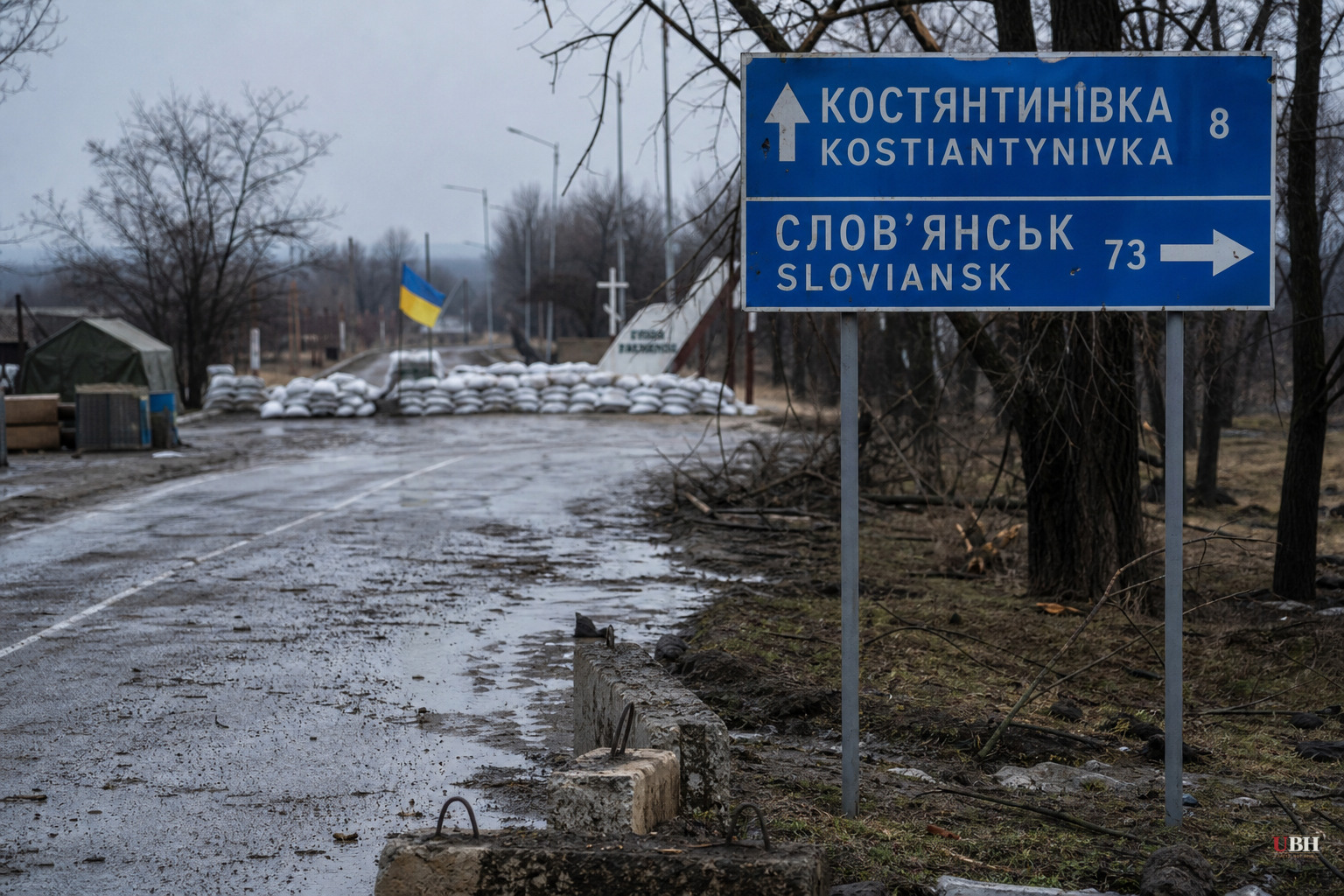
Russian troops pushed toward Sloviansk on August 1 and 2 but came away with nothing confirmed. Ukrainian forces counterattacked near Rai-Oleksandrivka, east of the city, and stopped the advance, according to the Institute for the Study of War (ISW), which cited a Russian military blogger acknowledging the setback.
Sloviansk has not fallen as of today, August 15, 2026. Neither has Kostiantynivka, despite Russian claims to the contrary.
The glide bomb problem
Russia's real advantage right now isn't infantry numbers. It's air power, specifically the FAB-series guided glide bombs that Russian jets have been dropping on Ukrainian cities to flatten them before ground troops move in.
Vadym Liakh, head of the Sloviansk City Military Administration, confirmed Russian forces struck Sloviansk with a FAB-250 guided bomb on the morning of August 2, according to United24Media.
ISW's July 29 assessment lays out the pattern bluntly: Russia debuted this glide-bomb-to-rubble tactic in February 2024 when it took Avdiivka, then repeated it at Vuhledar in October 2024, Kurakhove in December 2024, and Toretsk in August 2025. Kostiantynivka is the current target. The bombs turn buildings into rubble, destroy Ukrainian strongpoints and ground control stations, and let small groups of Russian infiltrators slip into the wreckage.
A Ukrainian drone unit commander told ISW that these glide bomb strikes are the main driver of whatever Russian gains are happening near Kostiantynivka, and that they're creating major problems for Ukrainian defenders. An officer from a Ukrainian special operations unit reported that Russian infiltrators are hiding in basements and destroyed buildings inside the city, waiting for reinforcements before making a move.
That's a slow, ugly way to take a city. But it's been working for Russia elsewhere.
Where Russia's claims don't hold up
Not every Russian claim checks out. A Russian military blogger claimed troops had moved south and southeast of Vasiutynske and north of Pershomarivka. ISW found no evidence to confirm any of it.
Russian state media and military bloggers routinely claim advances that satellite imagery, geolocated footage, and ISW's own tracking later fail to substantiate. Unconfirmed Russian claims of territorial gains should be treated as exactly that: unconfirmed, not established fact.
Meanwhile Ukraine has had its own wins. Ukrainian forces ambushed a Russian military convoy near Novohrodivka, damaging infantry fighting vehicles, cars, and transport trucks, according to ISW's reporting relayed by United24Media.
The bigger picture on casualties
Ukrainian President Volodymyr Zelenskyy said in late July that Russia has suffered roughly 700,000 dead and 1.6 million total losses since the war began, according to United24Media's reporting from July 31. That figure comes from the Ukrainian government, not an independent tally, and Moscow has never published comparable numbers of its own. It's consistent with the broader Western intelligence consensus that Russian losses have been severe relative to territorial gains.
What Ukraine and its allies are trying to fix
ISW's assessment argues the real leverage point is Russian aviation. Ukraine has been running a sustained campaign since late 2025 to suppress and destroy Russian ground-based air defenses in parts of the theater, and continues working to degrade Russian combat aircraft with F-16s, Gripen fighters, and other air-defense systems supplied by Western partners.
If that campaign succeeds, ISW argues, it would strip Russia of the exact tool it's using to grind through Ukraine's Fortress Belt cities: air-dropped glide bombs that Russian infantry can't otherwise force without them. Continued Western support for those Ukrainian efforts, ISW says, could meaningfully slow the pace of Russian advances.
That's the strategic bet Kyiv and its Western backers are making. Whether F-16 deliveries and air-defense degradation campaigns can outpace Russia's bomb-and-rubble tactic before more cities fall the way Avdiivka, Vuhledar, Kurakhove and Toretsk did remains the open question hanging over the entire Donetsk front.
As of August 15, 2026, there is no confirmed Russian advance into Sloviansk, no confirmed Russian seizure of Kostiantynivka, and a Ukrainian counterattack near Rai-Oleksandrivka that stopped one Russian push. Everything past that is claims, blogger chatter, and prediction markets betting on what happens next.
Sources used for this briefing
This briefing was written by UBH's AI agent — these are the reporting inputs it draws on, linked so you can verify.


