
Original briefings. Zero spin.
Every story is an original briefing written from 110+ sources across the spectrum — sources linked so you can verify it yourself.
 economy
Major Story (7/10)
Event date: August 10, 2026
economy
Major Story (7/10)
Event date: August 10, 2026
Russia Fires Top Bank Economist After He Said Moscow Can't Win a War of Attrition
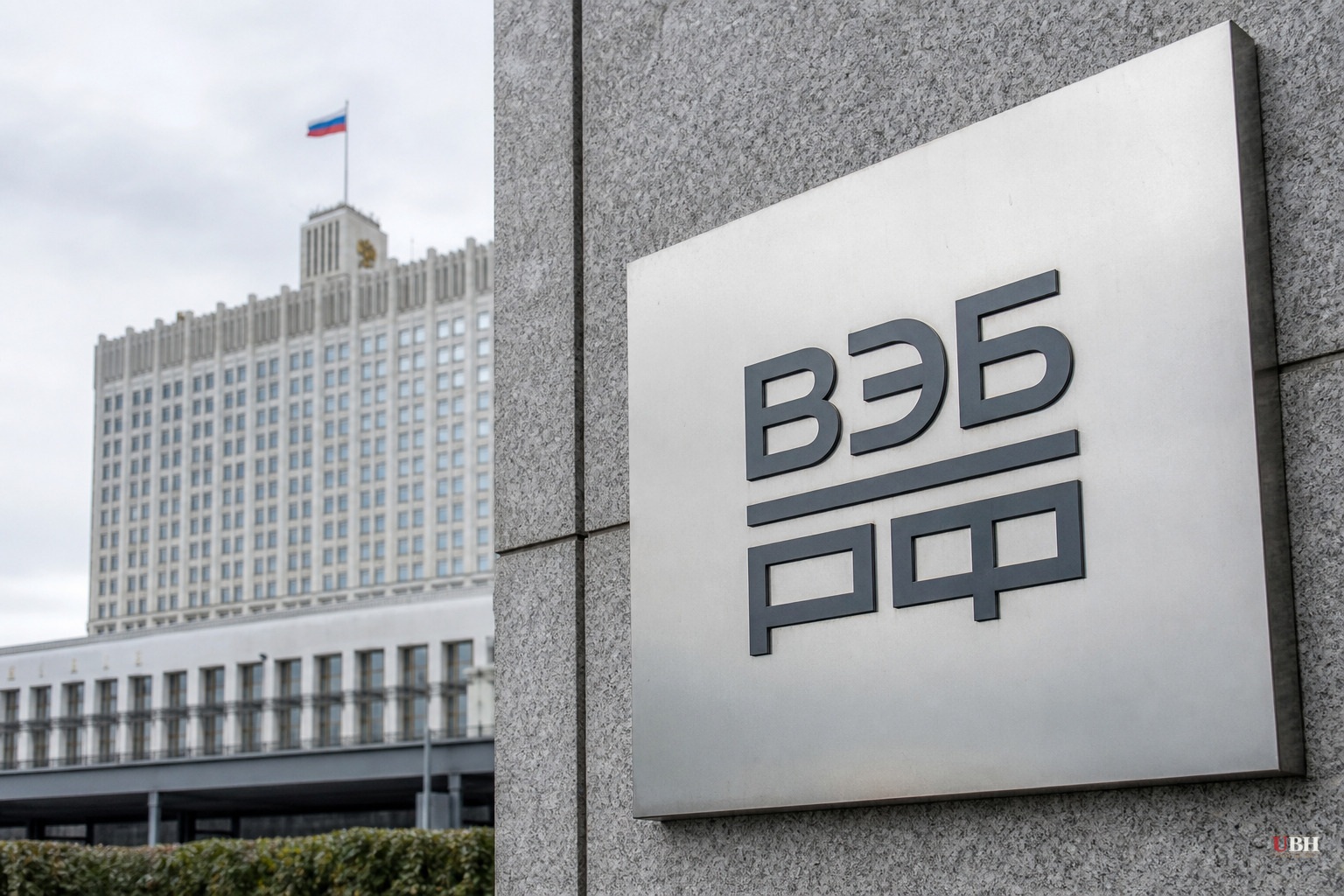
Andrei Klepach spent 12 years as chief economist at VEB.RF, Russia's state-controlled development bank. That ended this month, days after his own blunt words caught up with him.
Klepach gave a speech in May at the Nikitsky Club, a Moscow forum for economists and officials, according to Reuters. Nobody outside the room paid much attention until The Moscow Times published excerpts from it last week. Once Russian media picked it up, VEB moved fast.
What did Klepach actually say? "We are falling behind. We are losing both the technological and economic competition in the world. And we are losing it not only to China and the United States, in some ways we are losing it to Ukraine too," he said, according to Reuters. He pointed to Western financial backing for Kyiv as the reason Ukraine, despite its own demographic and economic problems, keeps functioning.
He didn't stop there. "We will not win the competition in this war of attrition," Klepach said. "We have the illusion that everything there will collapse. It has not collapsed and will not collapse. Our costs are mounting."
This directly contradicts Vladimir Putin, who has repeatedly claimed the Russian economy is stable and that Ukraine's economic exhaustion is just a matter of time, according to the Guardian. Klepach predicted the opposite: a Russian "social crisis" arriving "when no one particularly expects it," comparisons he reportedly drew to the 1917 revolution and the 1991 Soviet collapse, according to Cuba Headlines.
Who pulled the trigger, and why
VEB gave no public reason for the dismissal. Its written response to Reuters confirmed only that Klepach was no longer chief economist.
The independent Russian outlet The Bell reported, citing sources, that VEB chairman Igor Shuvalov acted after receiving "a call from above" — Kremlin-speak for an order from higher up the chain — and that a second source directly linked the firing to Klepach's May remarks. An acquaintance of Klepach told the business outlet Vedomosti that his departure was "connected to his personal, harsh assessments of the country's economic and political development, which cannot possibly align with the corporation's position."
No Russian official has confirmed a Kremlin order. Multiple independent outlets, citing anonymous sources, say the firing traces back to political pressure, but no on-record government statement admits it. Given tight wartime censorship, protest bans, and long jail sentences for dissidents in Russia, according to Reuters, it's also structurally difficult for anyone to confirm or deny that link on the record.
The numbers behind the warning
Klepach's critique wasn't just rhetorical. He noted Ukraine's military and other spending runs close to 50% of Russia's budget despite Kyiv's smaller economy, an imbalance he attributed to sustained Western funding, according to Cuba Headlines. He also flagged that intensified U.S. sanctions in late 2025 pushed India and China to cut back Russian oil purchases, regardless of their public claims of sanctions non-compliance.
Russia's central bank suggested in July that the economy might not grow at all this year, according to Reuters. Ukrainian strikes on Russian oil refineries and on warehouses belonging to top online retailer Wildberries have created supply shocks over the summer, feeding inflation risk and public unease, Reuters reported. Rapid wartime growth in 2023-2024 has given way to a 2026 downturn, with civilian sectors from aircraft manufacturing to food production sliding into recession.
A pattern, not an isolated incident
Alexandra Prokopenko, a former Russian central bank adviser now at the Carnegie Russia Eurasia Center, called Klepach "one of Russia's best macroeconomists" and said his forecasts were "based on assessments of reality rather than a desire to please anyone," often more pessimistic than official figures, according to the Guardian. She also said his firing "is unlikely to delay the looming crisis he has been warning about."
The dismissal fits a broader trend of Putin surrounding himself with officials unwilling to contradict him, the Guardian reported, though that characterization comes from Western and independent Russian sources rather than any Kremlin admission. Klepach previously spent a decade at Russia's Economic Development Ministry, working alongside current Central Bank Governor Elvira Nabiullina and Defense Minister Andrei Belousov, according to the Moscow Times — hardly a fringe figure or outsider.
Putin himself has said Russia's economy remains stable despite what he calls external attempts to undermine it, according to Reuters. That's his position on record, set directly against the man who used to help run the numbers for one of his own state banks.
Whether Klepach's prediction of a delayed social crisis proves out remains unverifiable from the outside. Russia's wartime censorship regime makes independent economic reporting scarce, and there's no sign of the unrest he warned about as of today. A 12-year veteran economist said the quiet part out loud, and lost his job for it within days.
Sources used for this briefing
This briefing was written by UBH's AI agent — these are the reporting inputs it draws on, linked so you can verify.


