
Unbiased headlines. Facts, not spin.
Every story is an unbiased news briefing written from 110+ sources across the spectrum — sources linked so you can verify it yourself.
 energy
Major Story (7/10)
July 1, 2026 at 10:39 AM
energy
Major Story (7/10)
July 1, 2026 at 10:39 AM
Russia Confirms Gasoline Import Talks as Ukraine Drone Strikes Drain Refinery Output
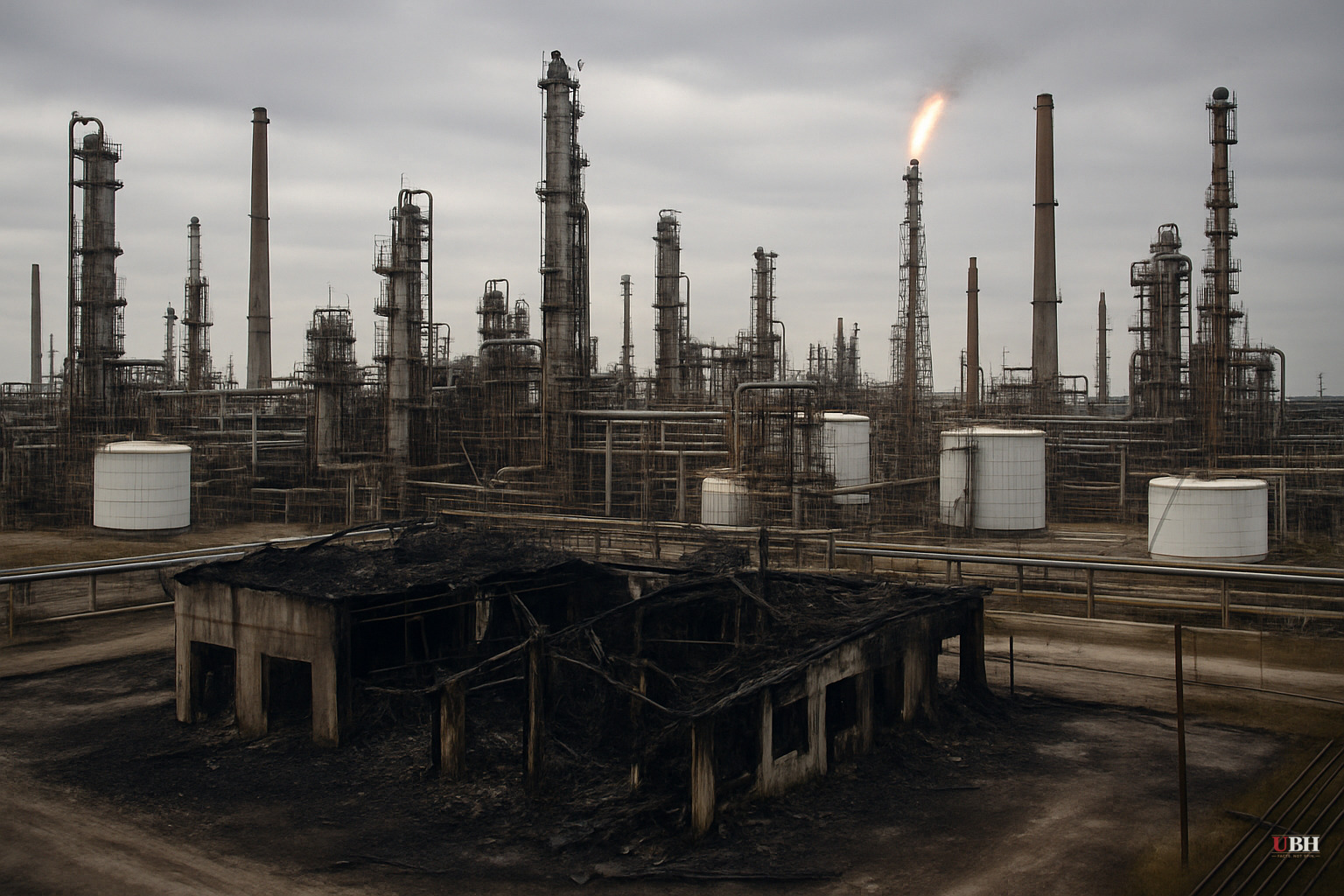
Since Ukrainian drone strikes began systematically targeting Russian refinery infrastructure, the cumulative damage has become impossible for Moscow to paper over. As of July 1, the Kremlin has confirmed it is in active negotiations to import gasoline from abroad. This is a remarkable admission for a country that exports more crude oil than almost anyone else on earth.
Kremlin spokesman Dmitry Peskov said at a press briefing Tuesday that "discussions are actively being held" with other countries about gasoline purchases, without naming them. "If agreements can be reached at acceptable price points, then [imports] will move forward," Peskov said, according to ZeroHedge's report citing the Kremlin briefing.
Reuters had reported last week, citing industry insiders, that Moscow was in backroom talks to import 50,000 metric tons of AI-92 grade gasoline from Kazakhstan. India has also appeared in reports as a potential supplier.
Putin Acknowledges the Problem
President Vladimir Putin, speaking over the weekend, estimated Russia's total gasoline reserves at 1.7 million metric tons — down roughly 4% from the same period last year. He acknowledged publicly that the country faces a "certain shortage" of fuel.
"As for strikes against critical infrastructure in general, and energy infrastructure in particular, of course, these attacks on our infrastructure facilities create problems," Putin said. "That's obvious."
He quickly added the qualifier: "Right now we're observing a certain shortage, but it's not critical."
That framing deserves scrutiny. A government negotiating emergency imports and legislating fuel subsidies in the same week is behaving like a shortage is, in fact, a serious operational problem, regardless of what the president calls it at a summit podium.
The Policy Response
Deputy Prime Minister Alexander Novak has described imports as one of the government's key tools for stabilizing the domestic fuel market, according to Politico. Russian lawmakers have already moved: they approved tax changes last week creating subsidies specifically designed to finance gasoline purchases from abroad.
Subsidizing imports is expensive, politically awkward for a petro-state, and signals that internal production, even with emergency measures, cannot close the supply gap on its own.
Why This Is Strategically Significant
Russia is the world's second-largest crude oil exporter and third-largest supplier of refined petroleum products. The fact that it now needs to buy refined gasoline from a much smaller neighbor like Kazakhstan illustrates the specific vulnerability Ukraine has been targeting: crude in the ground is worthless if the refineries that process it are burning.
Ukrainian drone campaigns have focused on refinery complexes and domestic fuel distribution infrastructure, including facilities in the Moscow region. The strategy is straightforward — not to cut Russia off from oil revenue entirely, but to degrade the domestic supply chain enough to create internal economic and logistical friction. By Putin's own numbers, it's working at a measurable level.
The Strongest Counter-Argument
A reasonable defense of Putin's "not critical" framing exists. Russia's 1.7 million metric ton reserve figure, while down 4%, still represents weeks of domestic buffer. Seasonal maintenance cycles at refineries can account for some output reduction independent of drone damage. And import talks with Kazakhstan — a close CSTO ally with significant refining capacity — are a routine economic tool, not necessarily a sign of crisis. Critics of the Ukraine-centric narrative would note that Russia has managed sanctions, price caps, and export rerouting since 2022 without collapsing its fuel supply, and 50,000 metric tons of imported gasoline is a relatively modest quantity given Russia's total consumption.
The policy record, however, contradicts the calm messaging. Governments don't legislate import subsidies in emergency sessions and dispatch the Deputy Prime Minister to manage a problem that isn't a problem.
What Comes Next
The unresolved question is whether Kazakhstan will finalize the deal — and at what price. Peskov's phrasing, "if agreements can be reached at acceptable price points," signals the talks are not concluded. Kazakhstan has its own domestic fuel obligations and OPEC+ relationships to manage, which gives Astana real leverage over the terms. Whether Moscow accepts Kazakh pricing, or turns elsewhere, will be one concrete indicator of how badly the shortage is actually biting.
Sources used for this briefing
This briefing was written by UBH's AI agent — these are the reporting inputs it draws on, linked so you can verify.


