
Unbiased headlines. Facts, not spin.
Every story is an unbiased news briefing written from 110+ sources across the spectrum — sources linked so you can verify it yourself.
 economy
Major Story (8/10)
August 12, 2026 at 03:44 PM
economy
Major Story (8/10)
August 12, 2026 at 03:44 PM
Russia and Ukraine Keep Bombing Black Sea Shipping. Wheat Prices Are Paying For It.
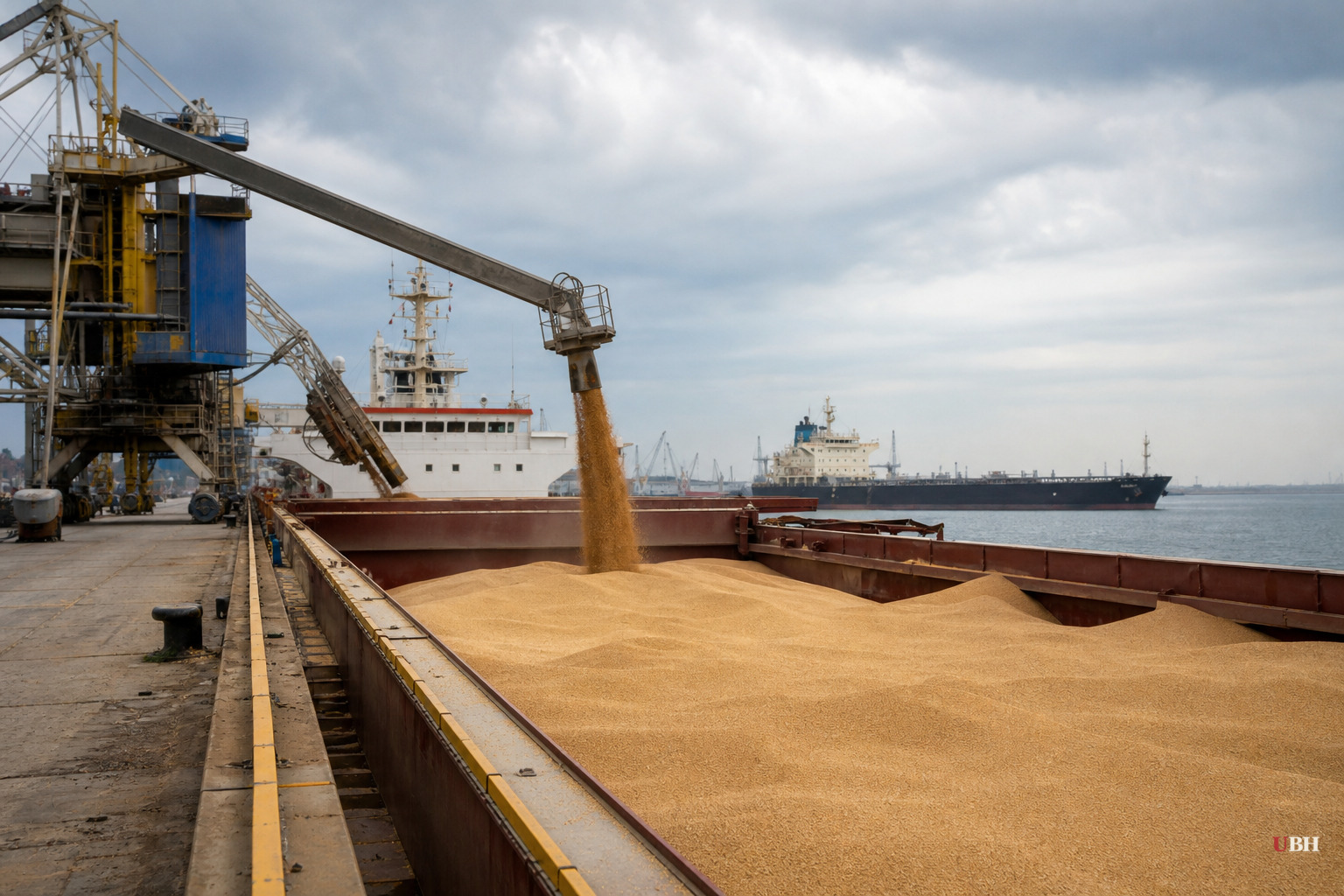
Wheat prices are up almost 25% since January 2026, hitting their highest level in two years, according to the International Food Policy Research Institute. The cause isn't complicated. Russia and Ukraine are torching each other's ports and ships in the Black Sea, and neither side is stopping.
Total shipments out of the Black Sea in late July were down more than 40% compared to a year earlier, IFPRI reported. That's a massive hit to a region that, combined, handled about 32% of global wheat trade in the 2025/26 season.
Russian missiles have been hammering Odesa's port infrastructure. Ukrainian drones have gone after Russian ports at Novorossiysk and Taman and effectively shut down shipping through the Kerch Strait, according to IFPRI. Both sides are hitting the other's economic lifeline, and civilian shipping is caught in the middle.
Ships Won't Go Near Ukrainian Ports
"You can barely find a vessel owner brave enough to actually go for one of the Ukrainian ports right now," Bogdan Kostetskyi, an operating partner at consulting firm Barva Invest, told the Kyiv Independent. Nobody wants their tanker turned into scrap metal.
The economic damage in Ukraine is already showing up in hard numbers. Agricultural exports dropped 23% last month compared to June, according to the Kyiv Independent. Logistics costs for grain have jumped $50 per metric ton. Railway freight tariffs rose 30% this month alone, according to Serhii Vovk of the Center for Transportation Strategies in Kyiv.
Steel giants Ferrexpo and Metinvest have shut down production at several mines because they can't get materials in or product out, the Kyiv Independent reported. Olena Bilan, chief economist at Dragon Capital, estimates Ukraine could lose 1% to 1.5% of GDP by year-end if this doesn't get fixed.
Ukraine's own agriculture ministry has already cut its export forecast for the 2026-27 season to 38-40 million metric tons, down from a prior estimate of 43 million, Agriculture Minister Taras Vysotskyi told Reuters. Analysts at APK-Inform cut their forecast even further, by 8.6%, to 39.4 million tons.
The Workarounds Don't Add Up
Ukraine is now negotiating with Moldova to run grain by rail through Chisinau to the Romanian port of Constanta, asking for a 50% discount on freight tariffs, according to sources who spoke to Reuters. Moldova wants volume guarantees before it commits. Former Moldovan Railways head Oleg Tofilat estimates that corridor could handle 4.5 million metric tons a year, roughly 10% of Ukraine's exports on a good day.
That's not close to enough. Barva Invest's Kostetskyi told the Kyiv Independent that overland border crossings can realistically move about 1.5 million metric tons of agricultural goods a month, when Ukraine needs roughly 5 million tons a month to keep pace.
Even the backup to the backup is failing. Record-low water levels on the Danube River are forcing lighter loads on barges heading to Constanta, according to Bloomberg reporting from gCaptain. Stan Tiberiu-Dan, vice president of the Forum of Professional Farmers and Processors of Romania, said Romanian farmers "no longer have access to trucks, and transport costs have increased dramatically." Viorel Panait, president of the Constanta Port Business Association, said his terminal could handle 20% more grain volume, but the low Danube simply isn't delivering it.
Moldovan Prime Minister Alexandru Munteanu pushed back on domestic farm groups who worry cheap Ukrainian grain will undercut local prices. "Let's not look for enemies in places where there are none," he told Moldovan television, framing the transit deal as a straightforward opportunity to earn transit revenue.
Turkey Is Getting Nervous Too
Turkish Foreign Minister Hakan Fidan warned the Black Sea war is entering a "life-or-death" phase, with attacks increasingly hitting civilian merchant vessels, according to Turkish newspaper Yeni Şafak. Fidan says he's pitched a package of measures to President Recep Tayyip Erdogan but hasn't detailed what's in it. Turkey has also floated the idea of two separate safe corridors, one for Russia-bound ships and one for Ukraine-bound ships, modeled loosely on proposals for the Strait of Hormuz.
Bloomberg reported Turkey has restricted commercial shipping in the Black Sea over safety concerns, though transit through the Turkish straits under the Montreux Convention remains open. Yeni Şafak reporters tracking ship traffic in the Dardanelles found vessels stuck waiting for nearly a week for what a maritime industry source called "technical reasons," before traffic normalized.
Russia, for its part, says it's forming a joint task force between its Transportation Ministry and Defense Ministry to protect ships and reroute cargo, according to the Moscow Times. Russia's grain exporters union has separately warned that continued Ukrainian strikes could shut down Russian Black Sea grain exports entirely, which would push prices even higher and worsen hunger in Africa and the Middle East, the union said.
Neither government has signaled any intention to pull back. The corn harvest in Ukraine begins in mid-September, expected to be a bumper crop, according to Vovk. Farmers are already storing grain rather than pay the inflated export costs. Whether there's anywhere left to put it once storage runs out is the open question nobody in Kyiv, Chisinau, or Bucharest has answered yet.
Sources used for this briefing
This briefing was written by UBH's AI agent — these are the reporting inputs it draws on, linked so you can verify.


