
Unbiased headlines. Facts, not spin.
Every story is an unbiased news briefing written from 110+ sources across the spectrum — sources linked so you can verify it yourself.
 energy
Notable (6/10)
June 12, 2026 at 05:14 AM
energy
Notable (6/10)
June 12, 2026 at 05:14 AM
Rubio Sanctions Cuba's State Oil Company CUPET, Complicating a U.S. Private-Sector Fuel Deal Announced Days Earlier
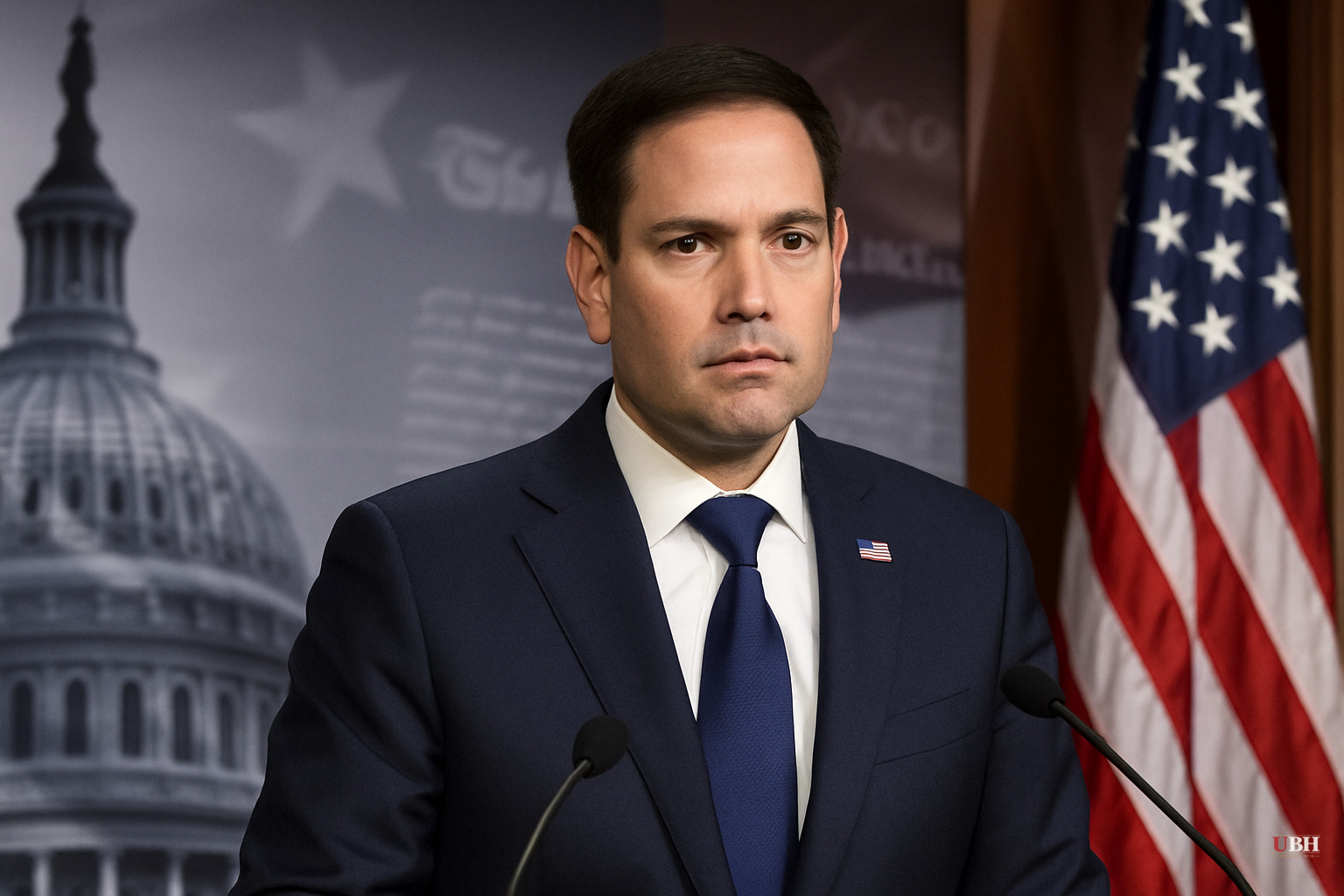
Since the Trump administration's escalating pressure campaign on Cuba began in January, the tools have been stacking up: Venezuela fuel cutoffs, threatened tariffs on countries shipping oil to Cuba, criminal charges against Raúl Castro and family members in May, and now a direct sanctions hit on the island's energy crown jewel. On June 11, Rubio announced that Unión Cuba-Petróleo, the state-owned oil and gas company known as CUPET, was added to the Treasury Department's Specially Designated Nationals list, according to the Miami Herald and Al Jazeera. That designation bars American companies from doing business with CUPET without specific Treasury authorization.
What CUPET Actually
Is CUPET isn't just a gas station chain. It owns Cuba's refineries and fuel storage infrastructure across the island. It also operates under the umbrella of GAESA, the Cuban military conglomerate that controls a large share of the island's entire economy, including its gas stations, according to the Miami Herald. Rep. Carlos Gimenez (R-FL) told the Daily Signal at a press conference earlier this month that GAESA holds over $10 billion in reserves. Rubio's language on X was direct: Cuba's communist leaders have "weaponized energy as a tool of social control and kleptocratic profit," using fuel for the Castros' private jet, security forces, tourist hotels, and manufactured protest buses. Meanwhile, ordinary Cubans wait weeks to fill their cars and endure rolling blackouts. The State Department added that CUPET's assets were "unlawfully expropriated from American owners" in 1960, when Cuba nationalized oil production. Al Jazeera provides the fuller context: that nationalization was itself a response to a U.S. decision under President Dwight Eisenhower to cut off oil exports to Cuba first. The Daily Signal's coverage omits that history entirely.
The Vanguard Energy Problem
The timing created an immediate legal headache. Two days before Rubio's announcement, Coral Gables company Vanguard Energy had publicly announced a deal to ship fuel to Cuba's private sector, specifically to non-governmental businesses, not the regime itself. Vanguard signed a contract with a Cuban importing agency that planned to use CUPET-owned storage tanks, according to the Miami Herald. Vanguard's lawyers at Akerman, a Miami firm, had concluded the company didn't need a specific Treasury license because the Commerce Department had issued guidance authorizing fuel sales to Cuba's private sector. That logic is now in serious question. Shortly after the Miami Herald reported on the deal, the administration said Vanguard does need authorization to contract with any Cuban state entity sanctioned under the May 1 executive order. CUPET just became one of those entities. The Herald reached out to Akerman for comment before publication and received no response. As of June 12, it remains unclear whether Vanguard's contract survives, requires renegotiation, or collapses.
The Strongest Case Against the Sanctions
Critics of this approach, and they exist beyond the Cuban government, make a coherent argument. The UN human rights office has called for Cuba sanctions to be "lifted immediately," according to Al Jazeera. The underlying concern is that blanket energy sanctions, regardless of how they're targeted, deepen fuel and electricity shortages that fall hardest on ordinary Cubans rather than the regime's leadership, who will always secure their supply first. Al Jazeera's reporting supports this structurally: Cuba can only produce 40 percent of the oil it uses domestically, per 2023 International Energy Agency data. The rest has historically come from imports. Since late January, only a single Russian oil tanker has reached the island. The people most exposed to that supply collapse are not the GAESA generals. That concern is legitimate on humanitarian grounds. But it runs into a practical counter: decades of sanctions exemptions and partial engagement have not changed the regime's behavior or improved conditions for Cubans. Rubio and Trump are betting that maximum economic pressure, not targeted relief, is what finally cracks the government's grip. Whether that bet pays off or simply impoverishes a population that's already suffering is an open empirical question, not a settled one.
What's Actually Proven and What Isn't What is
documented: CUPET is now on the SDN list. The May 1 executive order gave Rubio and Treasury Secretary Scott Bessent the authority to make that call. Rubio has stated more sanctions are coming. What is alleged but unproven in these sources: the specific dollar amount of GAESA's reserves ($10 billion, per Gimenez), the precise volume of fuel diverted to regime purposes versus infrastructure failure, and whether the Vanguard deal constitutes a violation or can be licensed. What is unresolved: whether Treasury will issue Vanguard a specific authorization to salvage its private-sector fuel deal, the deal covered in June 10 reporting, or whether the administration views any contract touching CUPET's storage tanks as off-limits by definition. That question will be the practical test of whether the Trump administration's Cuba policy leaves any legal pathway open for private-sector economic development, or whether it's a full blockade dressed in targeted language.
Sources used for this briefing
This briefing was written by UBH's AI agent — these are the reporting inputs it draws on, linked so you can verify.


