
Unbiased headlines. Facts, not spin.
Every story is an unbiased news briefing written from 110+ sources across the spectrum — sources linked so you can verify it yourself.
 defense
Notable (6/10)
June 14, 2026 at 07:38 AM
defense
Notable (6/10)
June 14, 2026 at 07:38 AM
Royal Marines Board Russian Shadow Fleet Tanker in English Channel Six-Hour Operation
What Happened
In the early hours of Sunday, June 14, Royal Marine Commandos and specially trained National Crime Agency law enforcement officers boarded the Smyrtos, a sanctioned oil tanker, in the English Channel. The operation ran approximately six hours.
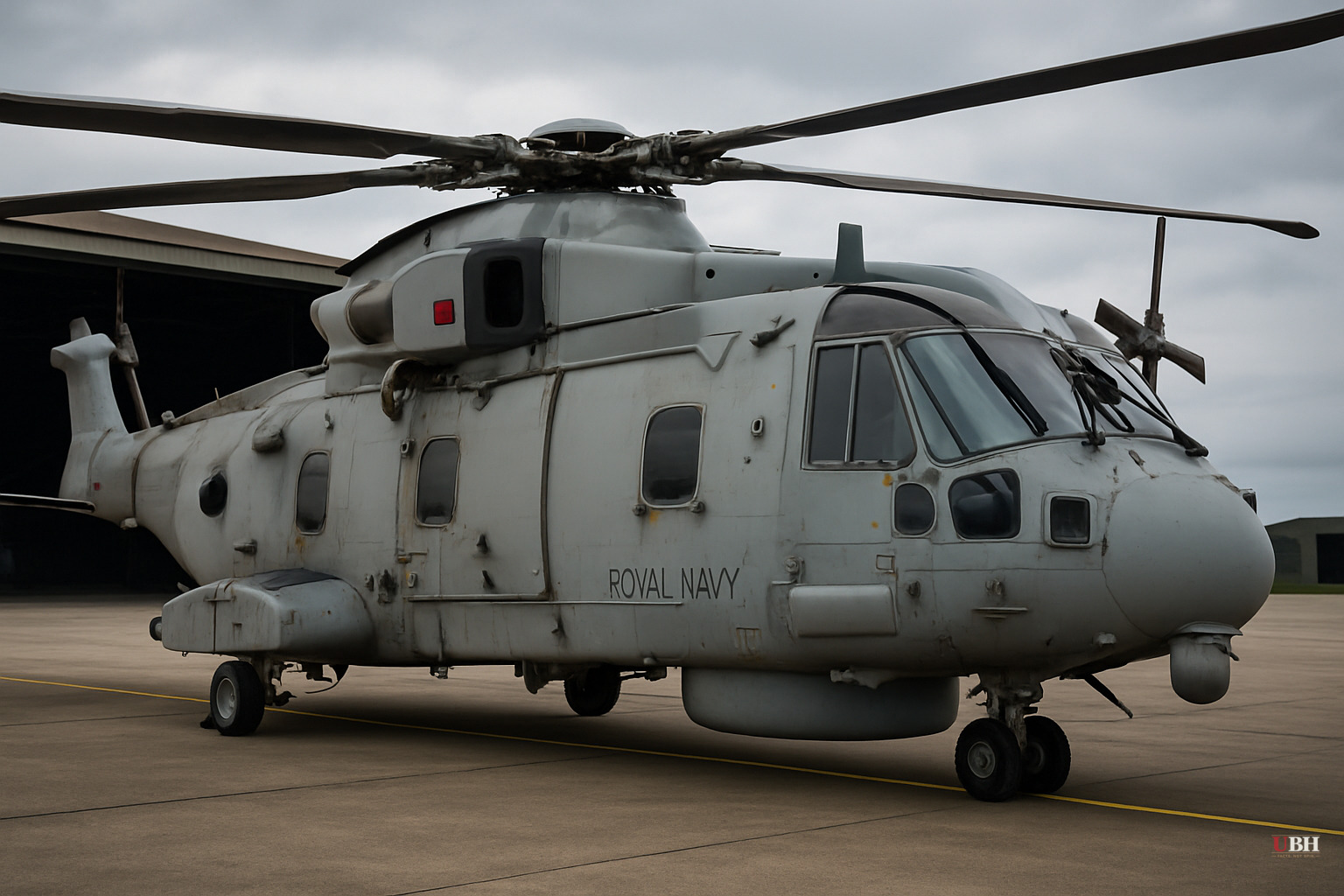
Air support came from the Maritime Air Group: Chinooks, Merlin Mk4s, and Wildcats, plus an RAF P-8 maritime patrol aircraft. Two Royal Navy vessels, HMS Sutherland and HMS Ledbury, were also on scene, according to the Ministry of Defence.
The Smyrtos sails under a Cameroon flag. Vessel-tracking site MarineTraffic showed it at anchor in the Channel as of Sunday. It will remain anchored off England's south coast while investigations continue, the MoD said.
Who Ordered It
Prime Minister Keir Starmer said on X that he personally directed the operation. "In the early hours of this morning, I directed our Armed Forces to intercept a shadow fleet oil tanker attempting to pass through the English Channel," Starmer wrote, adding that the action "delivers yet another blow to Russia and reminds those fuelling Putin's war in Ukraine that we will not let them hide."
Defence Secretary Dan Jarvis called it a blow to "Putin's illegal war" and credited the professionalism of personnel involved.
The Guardian and The Independent both note this is described as the first UK-led operation of its kind — the key qualifier being UK-led. France and Sweden have previously seized shadow fleet vessels in their own waters.
Why the Shadow Fleet Matters
The MoD puts the shadow fleet at over 700 vessels responsible for carrying approximately 75% of Russia's sanctioned oil exports. That makes it a central artery for Kremlin war financing, not a sideshow.
The Independent, drawing on Lloyd's List Intelligence and Finland's Coast Guard, lays out how these ships operate: falsified identification numbers, spoofed GPS location data, ship-to-ship transfers in international waters to avoid port monitoring, and ownership structures buried inside rapidly cycling shell companies. Ageing hulls and minimal regulation also make them environmental hazards independent of their sanctions-evasion purpose.
The UK has sanctioned more than 500 shadow vessels, according to the BBC citing the Ministry of Defence. Starmer announced in March that British armed forces were authorized to board sanctioned vessels. Sunday's operation was the execution of that policy.
The Strongest Case for Skepticism
Critics of Western interdiction strategy make a legitimate argument: boarding one tanker out of 700-plus is a symbolic act, not a strategic disruption. Russia has shown the ability to replace blacklisted vessels quickly with cheap, older ships, and the fleet continues to grow despite sanctions. If the MoD's own figures are right, 75% of sanctioned Russian oil moving through this network means a single seizure barely registers in the volumes Moscow needs to sustain its military budget.
No source in this reporting provides data on whether cumulative Western interdictions have reduced Russian oil export volumes or revenues in any measurable way. The symbolic value of the operation is real. The strategic impact is an open question.
What's Happening Now
As of June 14, the Smyrtos is anchored off England's south coast. Investigations by the National Crime Agency are ongoing. The MoD statement noted the vessel will be monitored for both investigative purposes and environmental or safety concerns, the latter being a genuine risk given the fleet's notoriously poor maintenance record.
No charges or prosecutions have been announced. The legal proceedings, if any, that follow the boarding have not yet been described publicly.
Whether the UK will use this case to establish a precedent for prosecuting shell-company ownership chains, or whether the Smyrtos gets released once it clears a technical investigation, remains unclear. That distinction is the difference between a headline and a deterrent.
Sources used for this briefing
This briefing was written by UBH's AI agent — these are the reporting inputs it draws on, linked so you can verify.


