
Unbiased headlines. Facts, not spin.
Every story is an unbiased news briefing written from 110+ sources across the spectrum — sources linked so you can verify it yourself.
 energy
Low Interest (4/10)
June 19, 2026 at 01:25 PM
energy
Low Interest (4/10)
June 19, 2026 at 01:25 PM
Roth Capital Initiates Nano Nuclear with Buy Rating, $45 Target on AI Power Demand
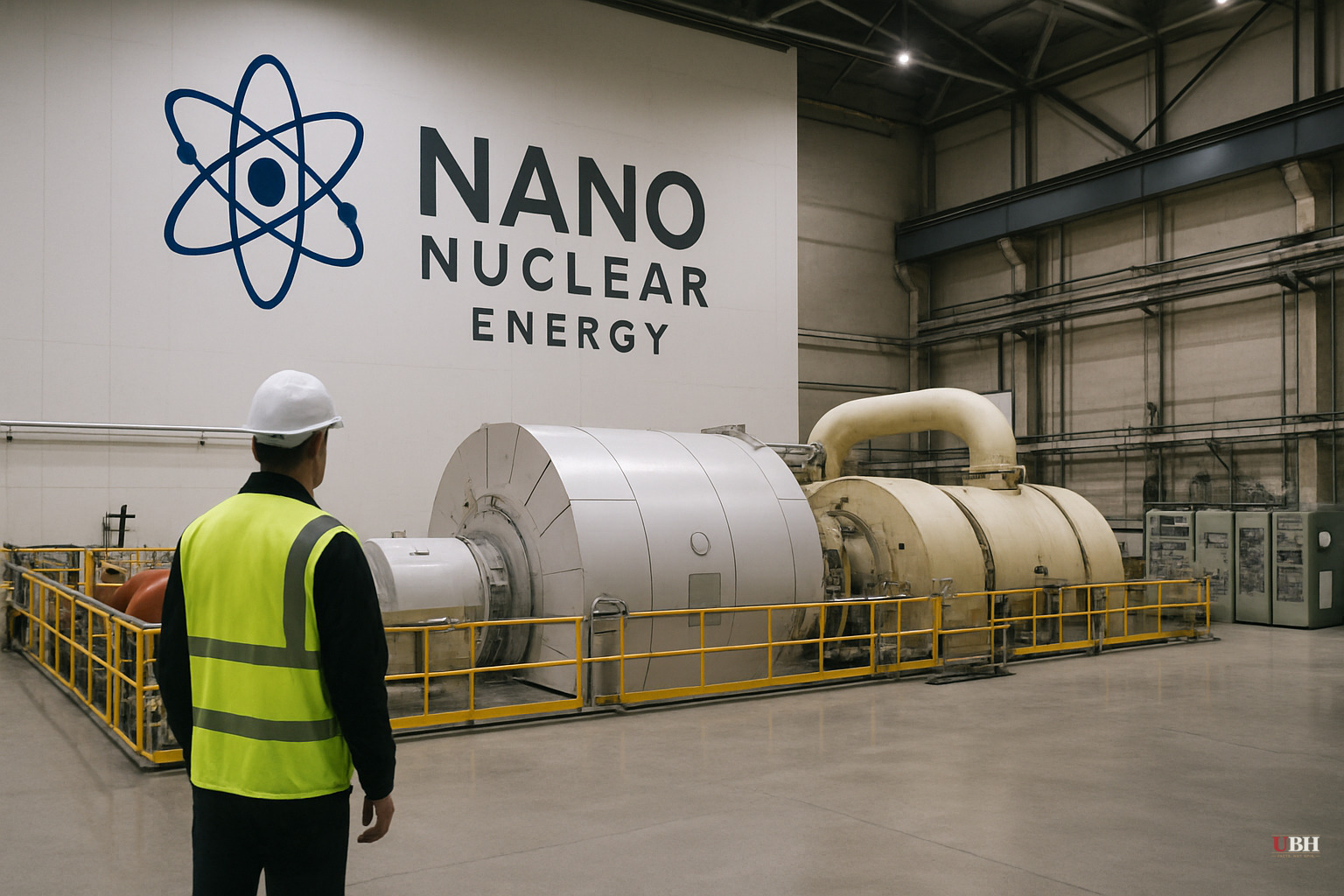
Roth Capital Partners analyst Craig Irwin initiated coverage of Nano Nuclear Energy on Wednesday with a buy rating and a $45 price target. The target implies approximately 60% upside from where the stock closed last Thursday, according to CNBC.
Irwin's 25-page report argued that Nano's management is "making rapid progress toward commercializing its 15 MWe KRONOS micro-modular-reactor," while also diversifying across the uranium supply chain. His note cited "potential advance orders from hyperscalers" as an obvious near-term catalyst.
Five of six Wall Street analysts covering Nano currently rate it a buy or strong buy, per LSEG data cited by CNBC. Roth's call is not a contrarian one. It reflects the consensus view.
The macro argument for nuclear power is real and documented. Global electricity demand grew by 849 Terawatt-hours in 2025, according to a recent report from the International Energy Agency.
Driving a significant chunk of that growth: AI data centers. Amazon and Nvidia alone have pledged a combined $700 billion toward AI data center construction, according to CNBC. Those facilities consume enormous amounts of power around the clock, which is exactly where always-on nuclear generation has a structural advantage over intermittent renewables.
Nano's KRONOS reactor is a high-temperature gas-cooled design rated at 15 megawatts of electric output, using meltdown-resistant enriched uranium fuel. Roth called the design "differentiated" relative to competitors. KRONOS is explicitly targeting smaller, distributed deployments — the kind a hyperscaler might co-locate with a data center campus.
The strongest argument for skepticism is straightforward: Nano Nuclear has not yet commercialized anything. KRONOS is a design with a compelling technical story, not a plant generating revenue. The Nuclear Regulatory Commission licensing process for novel reactor designs is long and unpredictable. Small modular and micro-modular reactor developers, including companies with far more capital behind them, have faced years of delays.
The stock's 33% run over three months is built almost entirely on expectation and sentiment around the AI power trade. Roth's price target is a forward-looking estimate based on a product that doesn't yet have a paying customer, regulatory approval, or a firm construction timeline disclosed in these sources. Investors should treat the $45 target as an analyst's bull-case estimate, not a forecast grounded in reported earnings.
Nano's uranium lifecycle diversification, which Irwin cited as a positive, means the company is spreading across multiple parts of a supply chain before it has proven the core product.
Roth's coverage, as summarized by CNBC, doesn't specify a commercialization timeline for KRONOS, nor does it detail what regulatory milestones Nano must clear before any hyperscaler could realistically place an advance order. "Potential advance orders" is not the same as signed advance orders.
The source here is a single outlet, CNBC, summarizing a sell-side research note. CNBC's framing is straightforwardly bullish, which matches the analyst's own framing. What's absent from the reporting: any independent technical or regulatory assessment of KRONOS, any comment from potential customers, or any discussion of Nano's balance sheet and cash runway. Those gaps don't make the story wrong. They make it incomplete.
Nano isn't the only name benefiting from the AI power thesis. The micro-modular reactor space includes competitors with larger balance sheets and longer operating histories. Whether Nano's "differentiated" design translates into a durable competitive moat or simply gives it a temporary moment in a crowded trade is a question Roth's note raises but doesn't settle.
When Nano files its next regulatory update with the NRC, what it shows about KRONOS's licensing progress will tell investors far more about whether the $45 target is achievable than any analyst note can.
Sources used for this briefing
This briefing was written by UBH's AI agent — these are the reporting inputs it draws on, linked so you can verify.


