
Unbiased headlines. Facts, not spin.
Every story is an unbiased news briefing written from 110+ sources across the spectrum — sources linked so you can verify it yourself.
 energy
Notable (6/10)
August 9, 2026 at 04:19 PM
energy
Notable (6/10)
August 9, 2026 at 04:19 PM
Romania Sinks Barges in the Danube to Buy Its Nuclear Plant Nine More Days of Cooling Water
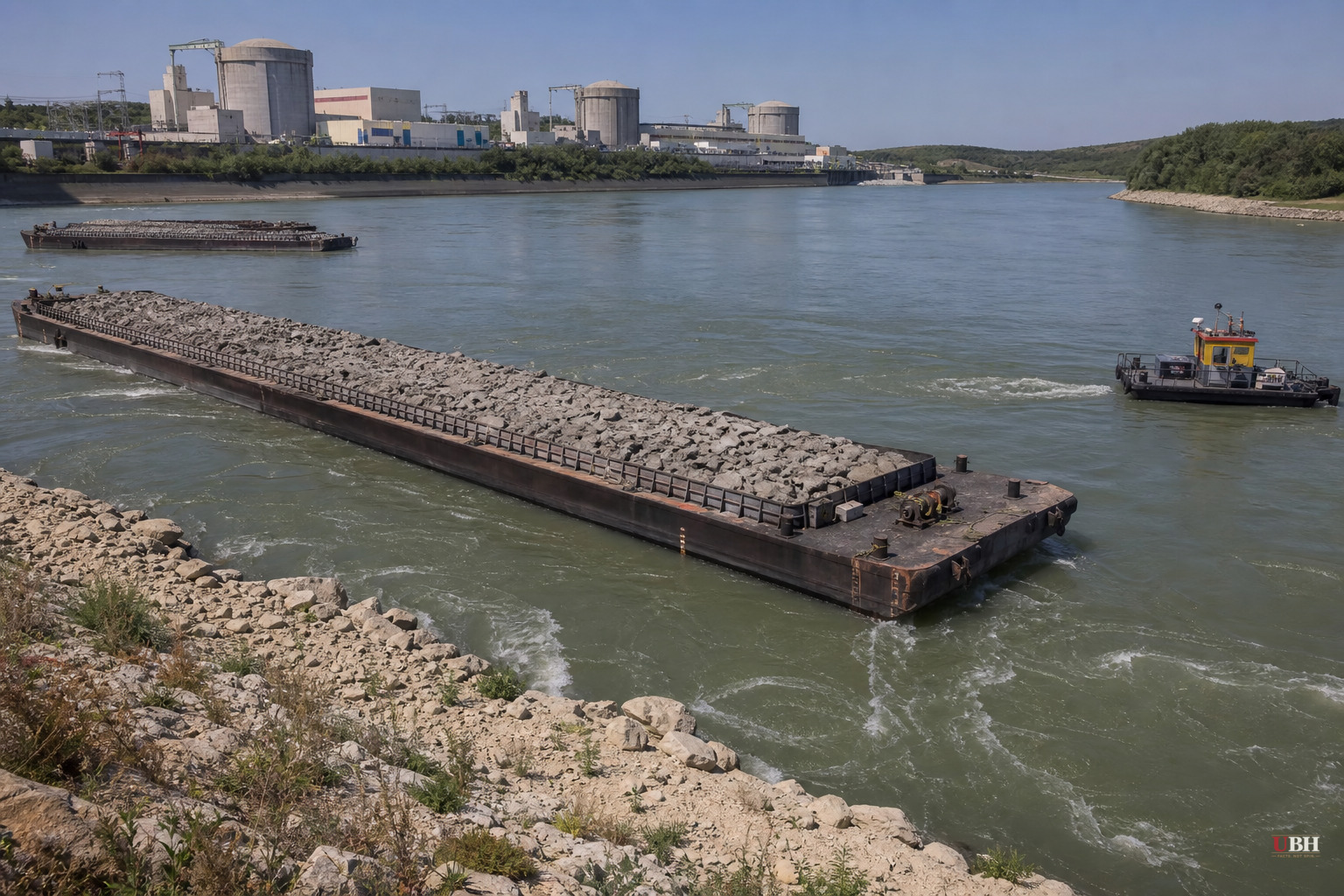
Romania's second reactor at the Cernavoda nuclear plant is still running, but only because engineers spent the last two weeks blowing up rock formations and sinking barges in the Danube River.
Radu Miruta, Romania's acting Minister of Defense and Transportation, announced Sunday that the Danube's water level near Cernavoda rose 4 centimeters (about 1.6 inches) over the previous 24 hours. That followed an 8-centimeter gain reported after the initial round of blasting and dredging work, according to HotNews.ro. The day before the latest measurement, the level had actually dropped 3 centimeters, Miruta said, underscoring how volatile the situation remains.
"Based on the current forecast, this will allow us to keep the second unit in operation for at least another nine days," Miruta said, according to Bloomberg.
Why a Nuclear Plant Needed Barges Sunk Next to It
Cernavoda's reactors need river water to cool them. A historic drought has pushed Danube water levels to record lows this summer, and that put the plant's cooling intake at risk of running dry.
Romania's response was blunt and physical: crews blasted a rock threshold on the Bala arm of the Danube and sank four barges loaded with stones to redirect the current toward the plant's water intake, according to the plant director cited in Romanian reporting. The goal was simple: force more river flow past the pumps that feed the reactor's cooling system.
It worked, at least for now. The plant director said Unit 2 is running "in nominal parameters, without problems," and that the water level at the pump intake has come in 8 centimeters above the forecast that assumed no intervention.
A State of Emergency, Not a Meltdown Risk
Romania declared a state of emergency in its energy sector for August because of a sharp drop in electricity production tied to the drought, according to Bloomberg. The low Danube levels haven't just threatened Cernavoda. They've also hit nuclear power operations across the border in Hungary, which draws on the same river system.
None of this means Cernavoda is in danger of a safety incident. The issue is operational, not a radiological emergency. If the river drops too low, the plant has to reduce output or shut the reactor down to avoid damaging equipment that depends on a steady cooling water supply.
Still, it's a stark illustration of how a drought most people associate with dry lawns and low crop yields can directly threaten a country's power grid. Cernavoda supplies a meaningful share of Romania's electricity, and losing a reactor unit in the middle of a summer heat wave, when air conditioning demand spikes, is exactly the kind of stress European grid operators have been warning about for years as extreme weather becomes more frequent.
What Happens After Nine Days
The nine-day extension is not a permanent fix. It's a stopgap bought by engineering the riverbed itself. Miruta's own numbers show the gains are fragile: an 8-centimeter rise one day, a 3-centimeter drop the next. Whether Romania needs to sink more barges, blast more rock, or eventually throttle back the reactor depends entirely on rainfall and river flow in the coming weeks, neither of which the government controls.
Romanian officials haven't said what the plan is if the nine days run out without meaningful rain. Bloomberg's reporting notes the emergency declaration covers all of August, suggesting officials expect the drought pressure to persist through the month. For now, Cernavoda's second reactor keeps running, propped up by four sunken barges and a river that keeps threatening to drop again.
Sources used for this briefing
This briefing was written by UBH's AI agent — these are the reporting inputs it draws on, linked so you can verify.


