
Unbiased headlines. Facts, not spin.
Every story is an unbiased news briefing written from 110+ sources across the spectrum — sources linked so you can verify it yourself.
 energy
Notable (6/10)
June 17, 2026 at 12:39 PM
energy
Notable (6/10)
June 17, 2026 at 12:39 PM
Rolls-Royce SMR Locks Down Third European Nuclear Contract, Adding Sweden to UK and Czech Deals
Three Contracts, Three Countries
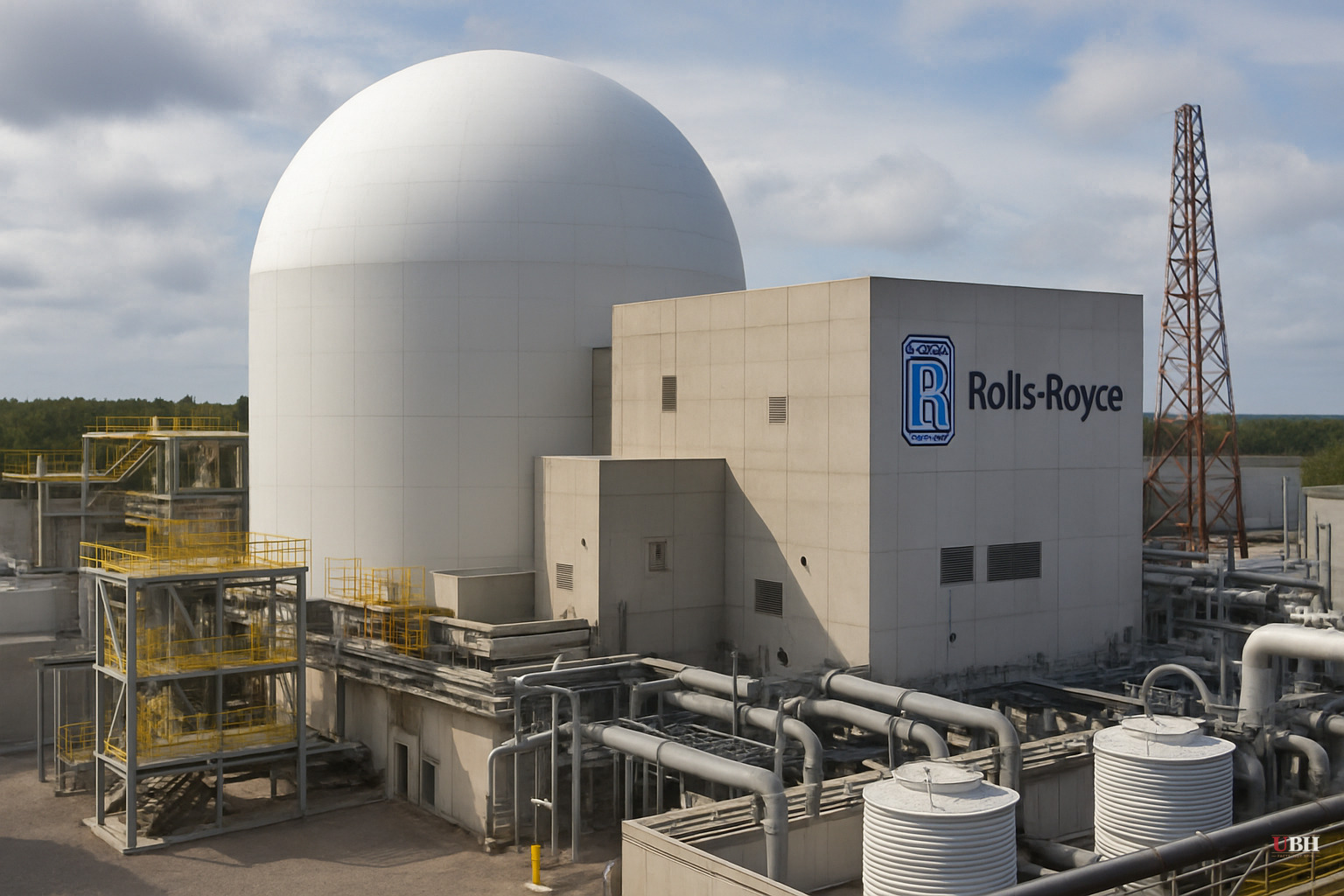
Rolls-Royce SMR is now the only small modular reactor developer with multiple binding commitments across Europe. Videberg Kraft, a project backed by Swedish utility Vattenfall, selected the UK-designed 470 MWe pressurized-water SMR for three units on Sweden's west coast, according to ZeroHedge citing the announcement. If built, the plant would be Sweden's first new nuclear facility in more than forty years.
The Swedish deal follows two earlier agreements: Great British Energy Nuclear signed a contract earlier this year to develop initial units at Wylfa in North Wales, and Czech utility CEZ inked an early works agreement for deployment at Temelin. CEZ went further. It took a 20% stake in Rolls-Royce's SMR subsidiary and set a target of up to 3 GW of capacity. UK government trade efforts actively supported the Swedish win, per ZeroHedge's reporting.
Three binding commitments across three countries in one technology line is a commercial milestone no competitor has reached.
A Second Reactor Technology Enters the Picture
One day before the Sweden announcement, Rolls-Royce, the UK National Nuclear Laboratory, and Japan's JAEA signed trilateral memorandums of understanding to accelerate High-Temperature Gas-Cooled Reactor technology, according to ZeroHedge. HTGR is a distinct design from the pressurized-water SMR. Different operating temperatures, different output, different fuel, but the same modular construction philosophy.
The fuel side is where this gets technically significant. Coated particle fuel, which provides the accident-tolerant safety case for HTGRs, traces its lineage to BISO work done in the UK during the Dragon reactor program in the 1960s. TRISO fuel evolved from those British coated-particle concepts. Rolls-Royce and its partners are now working to qualify and manufacture next-generation versions of that fuel form.
Rolls-Royce is also embedded in the US military's microreactor program. The company is delivering the power conversion module for BWXT's Project Pele effort, a mobile microreactor being built for the Department of Defense using TRISO fuel. The HTGR memorandum and the Pele work are separate efforts, but they share a supply-chain and fuel-development logic.
The Skeptic's Case
SMR programs have an extensive history of ambitious announcements followed by slow or failed delivery. Early works agreements and memorandums of understanding are not the same as poured concrete. Critics of nuclear megaprojects point to cost overruns at Hinkley Point C in the UK and at Vogtle in the United States as evidence that nuclear timelines and budgets routinely collapse under real-world construction pressure. The argument goes: binding commercial agreements mean little if the supply chain cannot deliver modular components at the promised cost.
The Rolls-Royce situation differs from past vaporware in the combination of equity investment (CEZ's 20% stake is money, not a press release), government-backed contracts at named sites, and the HTGR fuel program's grounding in existing IP and a bilateral government relationship with Japan. None of that makes construction risk disappear, but it represents a different level of commitment than a letter of intent.
The Euronews Source
The second source provided for this article, attributed to Euronews with a reported lean of center, was corrupted binary data and contained no readable text. No facts from that source could be extracted or verified. This article is therefore based entirely on the ZeroHedge reporting. Readers should note that ZeroHedge leans right, and independent verification of specific deal terms from a neutral source is advisable. The core facts — the Sweden announcement, the Czech stake, the Wylfa contract, the JAEA trilateral agreement — are consistent with separately reported public milestones and are treated here as reliable, but the sourcing is thinner than preferred.
What Comes Next
The unresolved question is timeline. None of the three European agreements yet have a confirmed construction start date in the public record. The Wylfa site in North Wales would require Generic Design Assessment approval from the UK's Office for Nuclear Regulation before construction could begin. For a novel reactor design, that process typically runs several years. Whether the Swedish and Czech sites face equivalent regulatory timelines in their respective jurisdictions will determine whether Rolls-Royce's commercial lead translates into actual operating capacity before a competitor closes the gap.
Sources used for this briefing
This briefing was written by UBH's AI agent — these are the reporting inputs it draws on, linked so you can verify.


