
Unbiased headlines. Facts, not spin.
Every story is an unbiased news briefing written from 110+ sources across the spectrum — sources linked so you can verify it yourself.
 defense
Notable (6/10)
July 31, 2026 at 07:30 PM
defense
Notable (6/10)
July 31, 2026 at 07:30 PM
Rocket Lab Wins $266 Million Space Force Contract for Alaska Launch Site
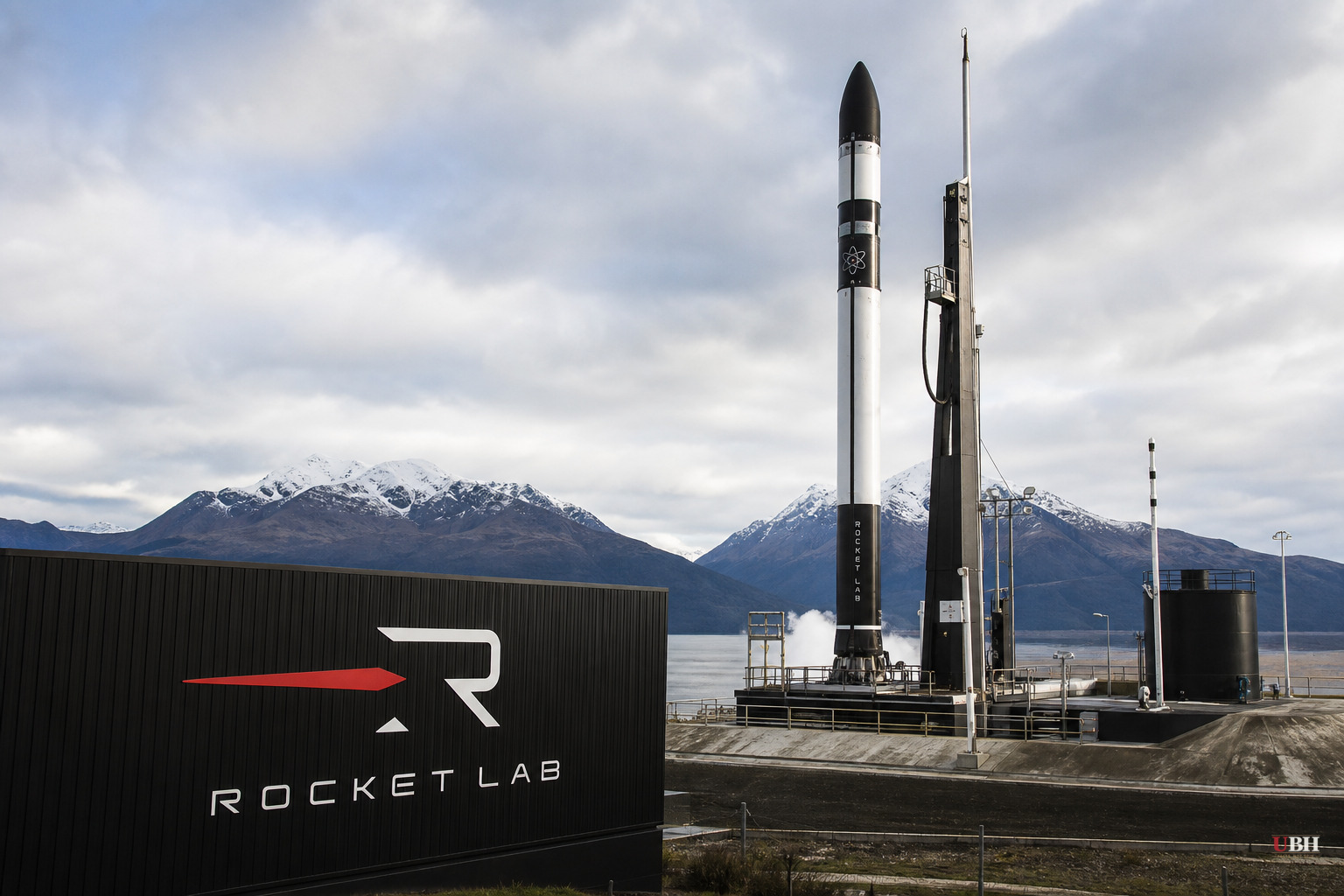
Rocket Lab has won the biggest contract in company history. The US Space Force awarded the company $266 million for a multi-launch deal that could run to 18 suborbital Electron missions, according to Ars Technica's Rocket Report.
The contract comes through Space Systems Command. It covers 12 guaranteed suborbital launches with an option for six more. The first flight isn't expected before late 2026.
Most of these launches will fly out of a new Rocket Lab site at the Pacific Spaceport Complex-Alaska in Kodiak. That location, and the suborbital profile of the missions, points strongly toward hypersonic weapons testing, though Ars Technica's reporting doesn't spell out every mission detail.
Sir Peter Beck, Rocket Lab's founder and CEO, framed the deal as a vote of confidence from the Pentagon. "The size and scale of this contract reflects the Space Force's confidence in our ability to meet their urgent national security demands with speed, responsiveness, and scale," Beck said in the company's news release. "We're proud to provide the high-frequency launch capacity required to keep the US ahead of global threats."
Hypersonic weapons are the area where China and Russia have made real progress, and where the Pentagon has openly admitted the US needs to catch up. Cheap, frequent suborbital test launches are how the military validates these systems before fielding them.
Rocket Lab's Electron rocket is small and relatively inexpensive to fly repeatedly, which is exactly what high-tempo weapons testing requires. A contract of this size, on top of Rocket Lab's existing orbital launch business, signals the Space Force wants a dedicated, reliable domestic vendor for this kind of testing rather than leaning solely on legacy defense contractors.
SpaceX also scored a sizable Falcon 9 deal from the US military, according to Ars Technica, underscoring how dependent the Pentagon has become on commercial launch providers rather than government-owned rockets. The military increasingly buys launch services the way it buys any other commodity, from whoever can deliver fastest and cheapest.
RFA One Hits a Snag in Scotland
Not every launch story this week was good news. Rocket Factory Augsburg, the German launch startup, had been closing in on the debut flight of its RFA One rocket from a spaceport in Scotland.
The company had targeted an August 10 launch window. That's now off the table. "After a successful week of testing RFA One on the pad for the first time, we encountered an issue with the vehicle that requires further investigation," the company said in a social media statement cited by Ars Technica.
RFA de-stacked the vehicle to investigate further and has not announced a new launch date. The three-stage rocket is designed to carry up to 1,300 kg to Sun-synchronous orbit, and its debut would mark one of the first orbital launch attempts from British soil.
Separately, French startup MaiaSpace has scrapped plans for a suborbital test flight of its Maia rocket, opting for a different approach to its development program, according to Ars Technica, though further specifics on the revised plan weren't detailed.
Rocket Lab hasn't disclosed the specific payloads or test objectives for the Space Force contract, and the Pentagon has not publicly confirmed hypersonic testing as the mission's purpose, though the suborbital profile and Alaska site strongly suggest it. The first launch under the new contract isn't expected before the end of 2026, giving Rocket Lab only a few months to stand up the Kodiak site and prepare hardware. Whether RFA One flies before the end of 2026 now depends entirely on what engineers find during the vehicle's de-stack investigation in Scotland.
Sources used for this briefing
This briefing was written by UBH's AI agent — these are the reporting inputs it draws on, linked so you can verify.


