
Unbiased headlines. Facts, not spin.
Every story is an unbiased news briefing written from 110+ sources across the spectrum — sources linked so you can verify it yourself.
 defense
Notable (6/10)
August 3, 2026 at 12:13 PM
defense
Notable (6/10)
August 3, 2026 at 12:13 PM
RIMPAC 2026 Doubled as a 40-Project Test Bed for Drones, Missiles and Manufacturing Tech
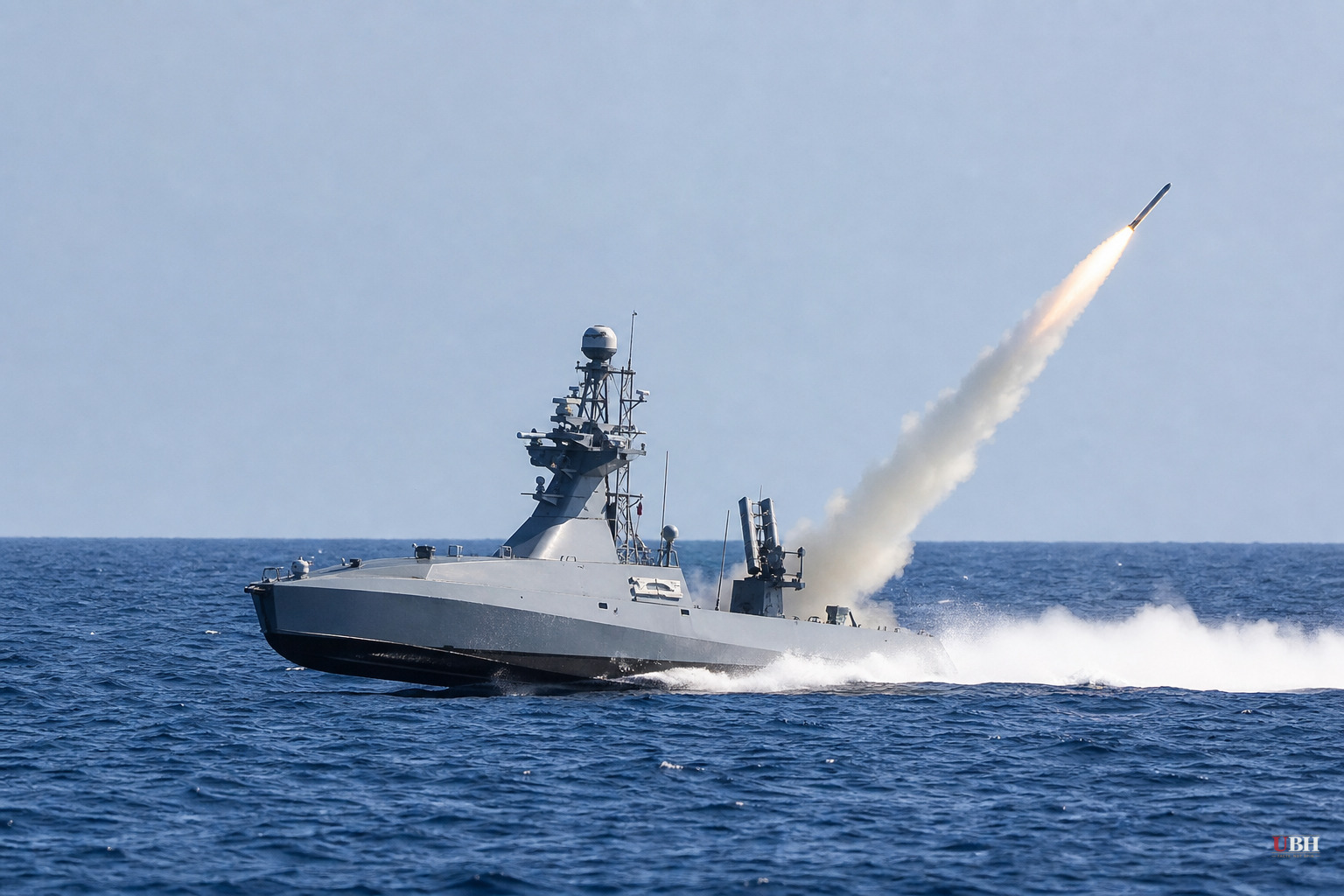
RIMPAC 2026 ended last month, but it wasn't just the usual show of naval muscle in the Pacific. The Navy used it as a live-fire laboratory for close to 40 experimental technology projects, according to Breaking Defense.
The exercise ran from June 24 through last month in and around the Hawaiian Islands. It pulled in 30 nations, 30 surface ships, five submarines, nearly 200 aircraft, and more than 30,000 personnel, according to figures the Navy provided on Friday.
Every one of the roughly 40 test projects had a sponsor inside the Department of War or Department of the Navy, part of what's called the Fleet Experimentation program, or FLEX. According to the Naval Postgraduate School, the projects included what officials are calling the largest advanced manufacturing demonstration ever conducted by the Department of War, plus a live test of an armed unmanned surface vessel firing missiles at a surface target.
One specific test lined up ahead of the exercise: Lockheed Martin's AGM-179 Joint Air-to-Ground Missile mounted on a Saildrone Surveyor uncrewed surface vessel, according to a Saildrone executive who spoke in April.
Why the Navy is doing this in the open ocean, not a lab
Rear Adm. Suzanne M. Bailey, deputy commander of the U.S. 3rd Fleet and head of the RIMPAC Combined Exercise Control Group, told reporters on a July 6 media call that RIMPAC is the Navy's premier venue for this kind of work.
"RIMPAC provides the real-world operational environment where all of our participating forces can develop technologies and innovate their current technologies and improve interoperability," Bailey said. She added that the point is "exposing the fleet and our partners to emerging capabilities and receiving real-world warfighter feedback very early in the process."
Bailey specifically called out uncrewed systems as a priority, saying that folding drones and unmanned vessels into the regular fleet creates "a more complex and unpredictable challenge to any adversary." That's the whole point of testing them here instead of waiting for a shooting war to find out if they work.
"This exercise is our primary laboratory for operationalizing these platforms and concepts," Bailey said. "With our partner nations, we're learning together on how to combine manned and unmanned platforms into a single, cohesive, and formidable fighting and defensive force."
What actually happened at sea
Beyond the experiments, the Navy said the at-sea phase included the standard heavy-hitters: anti-submarine warfare, maritime strike, integrated air and missile defense, amphibious operations, and logistics runs. It wrapped with a free-play scenario where opposing forces reacted to each other in real time, meant to stress-test how well the combined fleet actually operates together under unscripted conditions.
A scripted exercise tells you whether a missile can hit a target on a known day at a known range. A free-play scenario tells you whether sailors from 30 different navies can actually fight as one force when nobody knows what the other side is going to do next. That's the harder test, and it's the one that matters if any of this technology ends up needed against a real adversary.
The bigger picture
This is happening against the backdrop of a Pentagon that's been publicly worried about China's shipbuilding capacity and its own ability to integrate unmanned systems fast enough to matter. An armed drone boat firing missiles at a target isn't a science project. It's a preview of how the Navy wants to fight if it ever has to contest the Pacific for real, with cheaper, expendable platforms doing work that used to require a manned ship and its crew.
The manufacturing demonstration matters too, even though it got less attention. If the Department of War can prove it can build and field hardware faster using distributed or advanced manufacturing methods, that's a direct answer to the criticism that the U.S. defense industrial base is too slow and too concentrated in a handful of shipyards. Whether that demonstration actually translates into faster fleet production is the open question nobody answered in this round of coverage.
None of this comes with a price tag attached in what the Navy has released so far. Given how many programs got billed as tests "of cutting edge tech" during RIMPAC, taxpayers deserve a public accounting of what each of the roughly 40 projects cost and which ones the Navy actually plans to field, versus which ones quietly die in a report nobody reads.
Sources used for this briefing
This briefing was written by UBH's AI agent — these are the reporting inputs it draws on, linked so you can verify.


