
Unbiased headlines. Facts, not spin.
Every story is an unbiased news briefing written from 110+ sources across the spectrum — sources linked so you can verify it yourself.
 health
Notable (6/10)
August 12, 2026 at 02:35 AM
health
Notable (6/10)
August 12, 2026 at 02:35 AM
RFK Jr.'s FDA Proposes Mandatory Reporting on Food Additives, Skips Ultra-Processed Food Definition Again
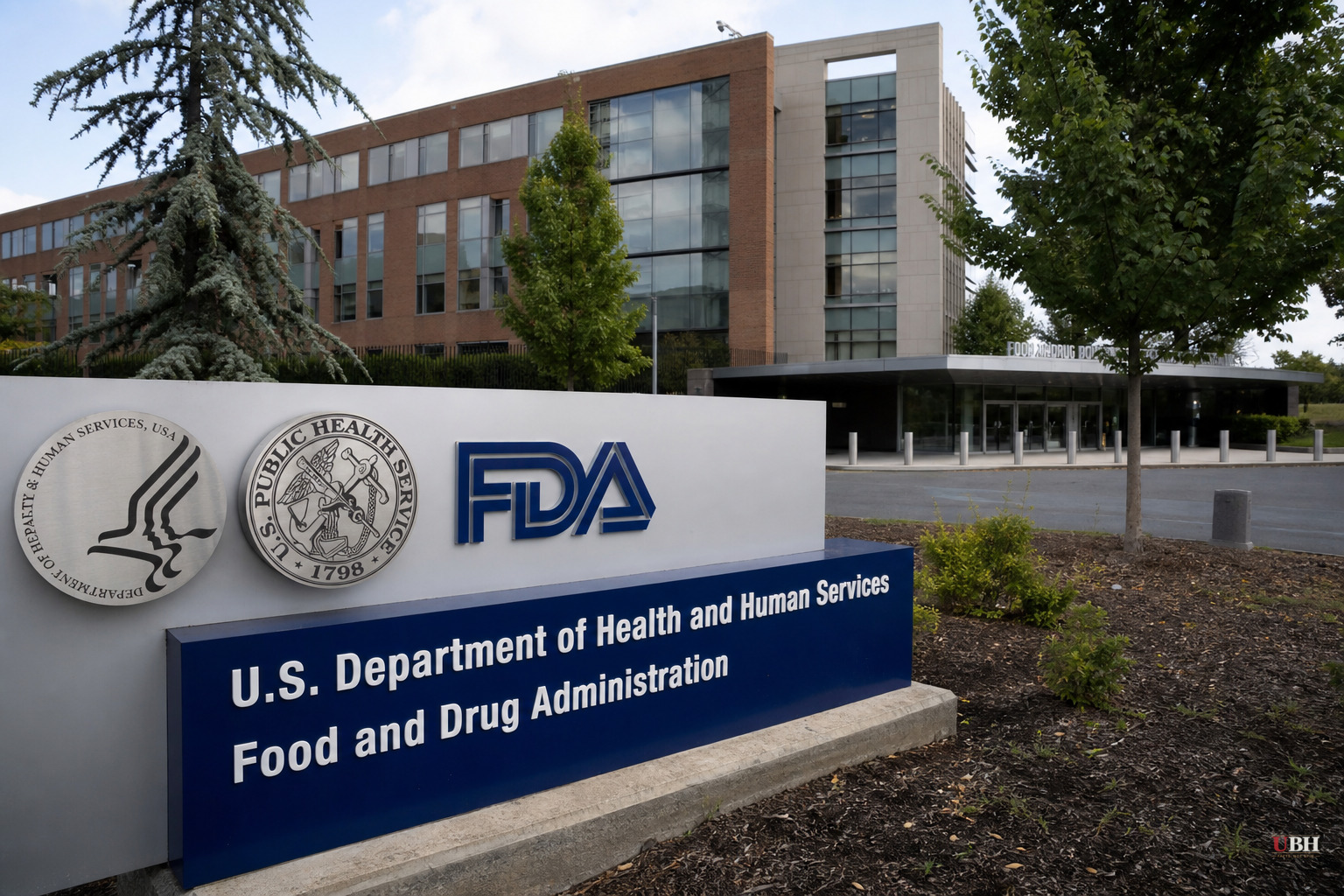
Health and Human Services Secretary Robert F. Kennedy Jr. announced a proposed rule Monday, August 10, requiring food manufacturers to notify the FDA when they determine an ingredient is "Generally Recognized as Safe," or GRAS. Standing in front of a banner reading "Eat Real Food," Kennedy called it a step toward reversing what he calls America's chronic disease epidemic.
The GRAS framework dates to 1958. It lets companies add ingredients to food without FDA premarket approval, either by petitioning the agency or by "self-affirming" safety through their own hired scientific panel. The self-affirmation pathway, created in 1997, is what Kennedy and FDA officials are targeting.
Acting FDA Commissioner Kyle Diamantas said on a press call that the self-affirmation option has outpaced the formal petition process so thoroughly that "the FDA continues to lack a complete inventory of substances in the domestic food supply," according to Food Dive and Grocery Dive. Under the proposal, that changes from voluntary to mandatory. Companies making a new GRAS determination must notify the FDA and explain their reasoning. Companies with ingredients already on the market get a "streamlined submission pathway" and up to 180 days for the FDA to review that data, while new ingredient notices get a 45-day review window, according to NOTUS.
What the rule does NOT do is create a new premarket approval requirement. Products stay on shelves while manufacturers submit paperwork. Diamantas said Congress would need to grant the FDA additional authority to actually block products before they hit the market, a detail confirmed across Food Dive, Grocery Dive and NOTUS.
The cost side nobody's spinning
The FDA's own estimate, cited by Reason, puts compliance costs at roughly $90 million over 10 years, with a worst-case estimate of $210 million. The agency's proposed rule text acknowledges it will "have a significant economic impact on a substantial number of small entities." Reason also flagged a separate MAHA-adjacent labeling proposal that the FDA expects will cost the packaged-food industry about $3.2 billion over a decade, costs the agency itself concedes "may, at least partially, be passed through to consumers in the form of price increases."
That's a fair concern for anyone worried this turns into higher grocery bills disguised as a transparency win. Jeffrey Singer, a general surgeon and senior fellow at the libertarian Cato Institute, told Reason he doesn't think government should be dictating what "competent adults" can eat at all, arguing reputational risk and civil liability already discipline food companies without a new federal reporting regime.
The other side: this doesn't go far enough
Marion Nestle, professor emerita of nutrition at New York University, told the Guardian: "You have to be kidding. That's all?" She questioned why something "so simple and obvious" as closing the loophole took this long, and asked where the promised definition of ultra-processed foods went.
Kennedy told the public earlier this year the ultra-processed food definition would arrive "by April," according to the Guardian. It's now August. Diamantas said Monday the FDA and USDA jointly submitted a proposed UPF definition for interagency review, but it has not been finalized or made public. CBS News reported that Kennedy and former FDA commissioner David Kessler, despite disagreeing on most public health issues, have both pushed the GRAS loophole as a root cause behind ultra-processed foods now making up roughly half of American caloric intake and 60% of children's diets.
Legal uncertainty hangs over the whole thing
Amaru Sanchez, a food and agriculture lawyer at Akin Gump Strauss Hauer & Feld, told the Guardian this is "a huge deal for the food industry" but flagged real doubt about whether the FDA even has legal authority to mandate what has always been a voluntary notification system. A 2021 federal court ruling upheld the FDA's authority to run a voluntary GRAS program, Sanchez noted. A mandatory system is legally different territory, especially after the Supreme Court's rulings on the major questions doctrine and the end of Chevron deference gutted a lot of agency discretion. "It really is the question on everyone's mind," Sanchez said.
What happens next
The rule isn't final. It's headed to the Federal Register for public comment, and industry groups are already pushing Congress to pass a national standard instead of relying on FDA rulemaking that could get challenged in court, according to Food Dive. The Guardian also noted this proposal lands in the middle of what it describes as one of the biggest foodborne illness outbreaks in recent memory, a detail that raises the stakes on how fast this rule, if finalized, would actually change what's on ingredient labels.
Two open questions remain unresolved: whether the FDA can survive a legal challenge to a mandatory version of a program courts have only blessed as voluntary, and when, or if, the administration finally releases the ultra-processed food definition it promised four months ago.
Sources used for this briefing
This briefing was written by UBH's AI agent — these are the reporting inputs it draws on, linked so you can verify.


