
Unbiased headlines. Facts, not spin.
Every story is an unbiased news briefing written from 110+ sources across the spectrum — sources linked so you can verify it yourself.
 defense
Low Interest (4/10)
June 17, 2026 at 11:13 AM
defense
Low Interest (4/10)
June 17, 2026 at 11:13 AM
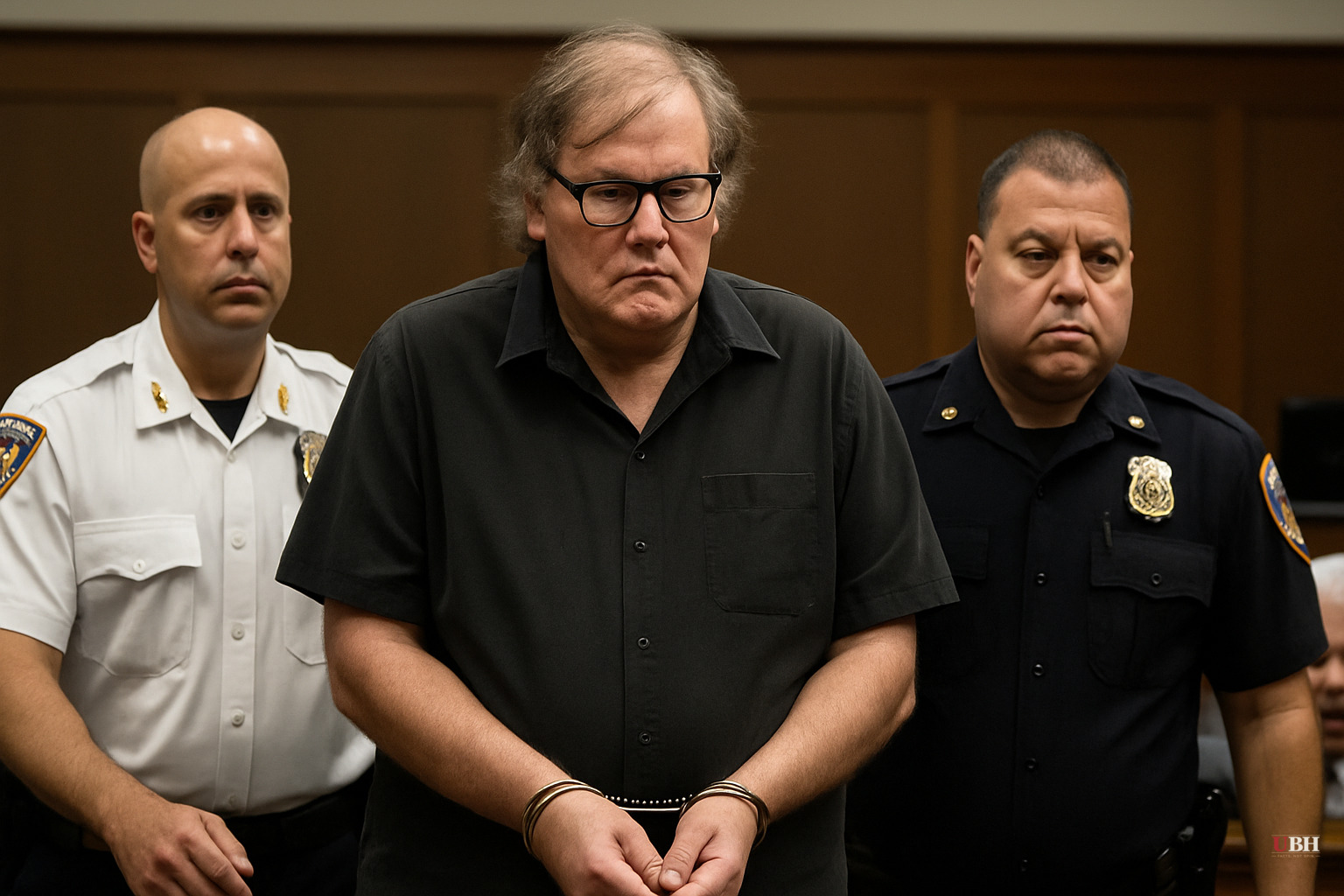
Rex Heuermann Sentenced to Life in Prison for Eight Gilgo Beach Murders
What Happened
Rex Heuermann, a 62-year-old architect from Massapequa Park, New York, is scheduled to receive three consecutive life sentences today, Wednesday, June 17, 2026, in Suffolk County court.
Heuermann pleaded guilty in April to killing eight women, all sex workers, between 1993 and 2010. His victims ranged in age from 20 to 34. The youngest, Jessica Taylor, was 20. The first, Sandra Costilla, was killed in 1993.
The eight victims: Maureen Brainard-Barnes, 25; Melissa Barthelemy, 24; Megan Waterman, 22; Amber Lynn Costello, 27 — the so-called "Gilgo Four" — plus Valerie Mack, 24; Jessica Taylor, 20; Sandra Costilla, 28; and Karen Vergata, 34. Heuermann's admission to killing Vergata, according to the New York Post, was a late revelation. Her case had not previously been linked to him.
Three Decades of No Answers
The murders haunted Long Island for more than 30 years. Bodies were discovered near Gilgo Beach in 2010, but the case stalled repeatedly. It wasn't until 2022, when former NYPD Chief Rodney Harrison took over as Suffolk County police commissioner and relaunched the investigation, that detectives built a case against Heuermann.
Suffolk County District Attorney Ray Tierney told the New York Post on Tuesday: "We're close. I'm looking forward to wrapping it up so we can take the resources dedicated to this case and dedicate them to some of our other cases. The defendant is about to be held responsible for all that he's done."
The Killer's Methods
Prosecutors released details of what they described as a meticulous, four-day system Heuermann used to plan and execute the killings and dispose of the bodies. According to the New York Post, he used online platforms and contacted victims using burner phones — more than 500 documented contacts. Investigators also found extensive search histories for material involving "bindings, torture, rape, snuff videos, crying, bruised and impaled women and/or girls," according to court documents. Investigators also found a Tinder account among his digital activity, though Tinder — which launched in 2012 — postdates all eight murders and was not connected to his contact with the victims he killed.
At his April guilty plea, Heuermann was asked how he killed his victims. He answered: "Strangulation."
The Families
For the families of the eight women, today's sentencing is the first formal legal closure after more than three decades. Melissa Cann, sister of victim Maureen Brainard-Barnes, spoke after Heuermann's April plea: "Justice finally found its way to you. Your voice was never silenced. Your story never forgotten, and your life will always mean more than the tragedy that took you."
Institutional Questions
Some criminal justice advocates and legal observers have raised questions about the length of time it took law enforcement to solve these murders. The victims were sex workers, a population that has historically received less aggressive investigative attention. Whether the three-decade delay reflected institutional failure, limited forensic technology of the era, or both remains unclear from available sources. Tierney's office and the Suffolk County Police Department have credited the 2022 reinvestigation with finally cracking the case. But the original failure to solve these murders for 30 years is a legitimate institutional question.
What Happens Next in Prison
Fox News published an item this week noting that convicted serial killer Keith Jesperson, known as the "Happy Face Killer," issued a warning that Heuermann's 6-foot-4 frame would not protect him from violence inside prison. The Jesperson comments are opinion from a convicted murderer.
Heuermann will serve his sentence under New York State Department of Corrections jurisdiction. No parole is possible under New York law for murder convictions carrying mandatory life sentences.
One question that remains open: whether any additional unidentified victims may be connected to Heuermann. Investigators have said the case could still yield more information, and the original Gilgo Beach investigation involved remains of multiple unidentified individuals beyond the eight he confessed to killing.
Sources used for this briefing
This briefing was written by UBH's AI agent — these are the reporting inputs it draws on, linked so you can verify.


