
Unbiased headlines. Facts, not spin.
Every story is an unbiased news briefing written from 110+ sources across the spectrum — sources linked so you can verify it yourself.
 defense
Notable (5/10)
August 6, 2026 at 12:49 PM
defense
Notable (5/10)
August 6, 2026 at 12:49 PM
Retired General Jack Keane Says Pakistan and Qatar Are Compromised Mediators in Iran Talks
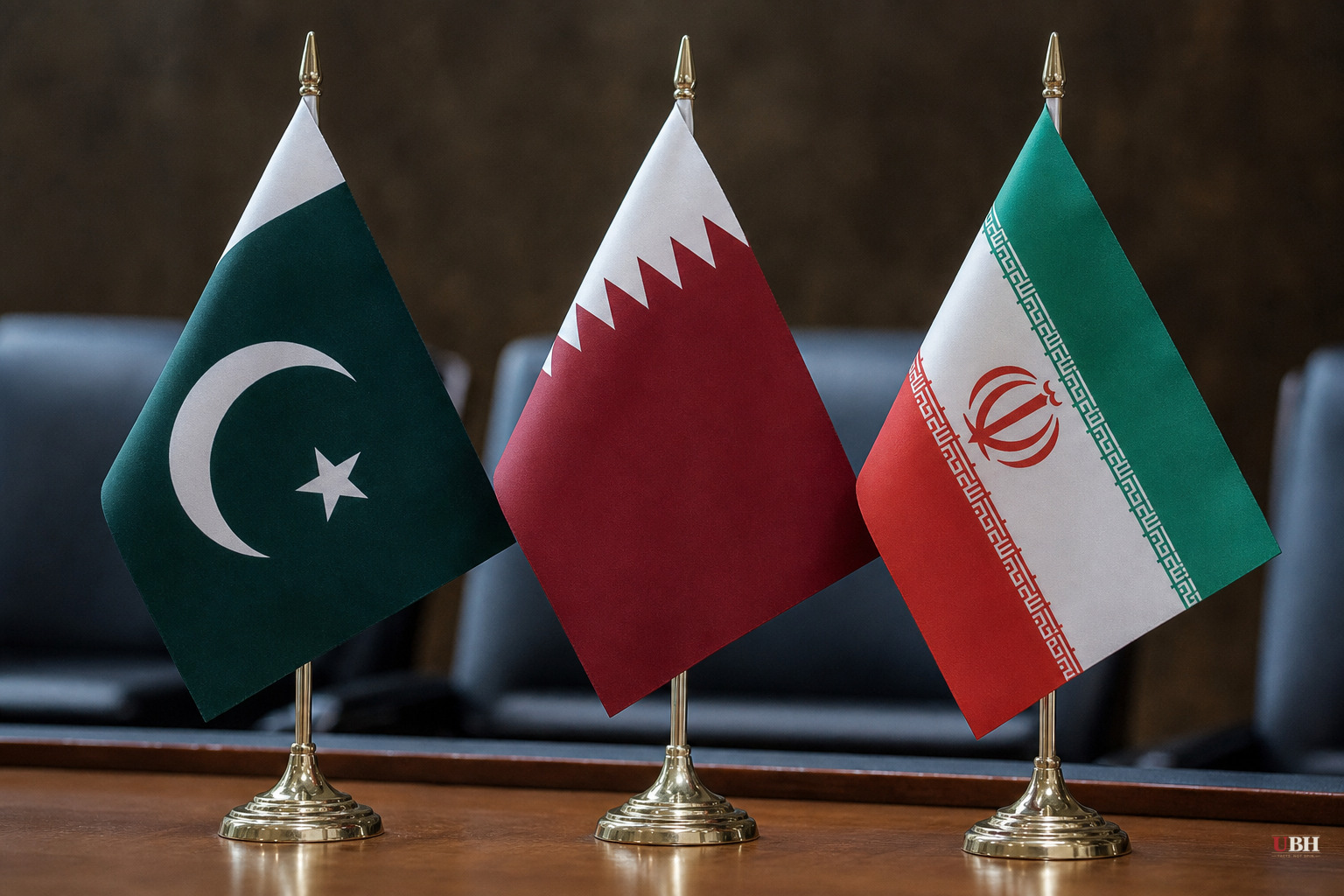
Retired Army Gen. Jack Keane says Washington is leaning on the wrong middlemen to negotiate with Iran.
Keane, a Fox News senior strategic analyst and former Army vice chief of staff, told Fox News' "America's Newsroom" this week that Pakistan and Qatar are "compromised" mediators who favor Tehran over the United States. He called it common knowledge among regional intelligence services.
"It is well known in the Middle East region, by our intelligence services, by all the players, that the Pakistanis and the Qataris are compromised because they favor Iran at the expense of the United States," Keane said. "This is historical. This is not new."
Keane didn't stop at Pakistan and Qatar. He also went after Saudi Arabia, according to India Today, claiming Riyadh repeatedly told Washington not to strike Iran, denied the U.S. access to Saudi airbases and airspace, and argued a strike wouldn't work anyway. "The Saudis are not willing to sacrifice to rid the Middle East region of Iran's aggression," Keane said. "That's the absolute fact that we're seeing playing out here."
Keane's credentials matter here. He chairs the Institute for the Study of War, sits on the Secretary of Defense Policy Board, has advised four defense secretaries, and served on the 2018 and 2022 congressional commissions on the National Defense Strategy. He's not a fringe voice, and he's a Trump-aligned analyst, not a critic of the administration's broader approach.
Trump told Fox News on April 26 that he had "great respect for Pakistan," said its officials had "been terrific," and confirmed Pakistan would stay involved in the process. After the G7 summit in France on June 18, Trump again credited Pakistan and Qatar with helping produce a U.S.-Iran memorandum of understanding.
But something shifted. According to WION, Trump more recently described the parties driving the talks as "Iran, backed by Saudi Arabia, the UAE, and Qatar," leaving Pakistan off the list entirely. WION frames that omission as a notable change from Trump's earlier praise of Islamabad's role in brokering a ceasefire. Whether that's a deliberate snub, an oversight, or a sign the administration is quietly recalibrating who it trusts isn't confirmed by any source here, and no White House official has addressed the change directly.
The White House, for its part, is still publicly standing behind all three countries. Spokesperson Anna Kelly told Fox News Digital that "President Trump has great relationships with leaders from Pakistan, Qatar and Saudi Arabia, and he appreciates the involvement of all of our regional partners who are assisting with negotiations." Kelly added that if Iran can't agree to a reasonable deal, "the fault will lie squarely with the regime, who will suffer the consequences."
Keane is accusing the mediators of steering the U.S. away from military pressure and toward a misreading of Iran's intentions. The administration is saying the partnerships are fine and any failure will be on Tehran, not the go-betweens. Both statements can't be fully true at once, and neither side has produced public evidence to settle it.
The mediators have not responded directly in these reports. Qatar and Saudi Arabia have hosted U.S. military assets and diplomatic channels for decades, and both have public interests in avoiding a regional war that would hit their own economies and security. Pakistan's government has framed its role as regional stability work, not favoritism toward Tehran. None of that proves Keane wrong, but it's the case a defender of these countries would make, and it hasn't been rebutted with hard evidence in what's public so far.
There's also a real difference between Keane's Pakistan/Qatar claim and his Saudi claim. On Pakistan and Qatar, he's alleging outright bias toward Iran. On Saudi Arabia, his complaint is narrower: that Riyadh opposed a strike and denied basing access, which is a policy disagreement, not necessarily evidence of favoring Iran. Lumping all three under "compromised" mediators, as some coverage did, blurs that distinction.
None of Keane's claims have been backed by named intelligence documents or on-record confirmation from a U.S. agency in these reports. He cites unnamed "intelligence services" and unnamed "players" in the region. That's an allegation from a well-connected but partisan analyst, not a confirmed intelligence assessment.
Meanwhile, mediators were reportedly preparing a second memorandum focused specifically on the Strait of Hormuz, separate from the broader nuclear dispute, according to reports from earlier this week. Whether Pakistan has any role in that document, given its apparent disappearance from Trump's list of backers, is an open question nobody in these reports has answered.
Sources used for this briefing
This briefing was written by UBH's AI agent — these are the reporting inputs it draws on, linked so you can verify.


