
Unbiased headlines. Facts, not spin.
Every story is an unbiased news briefing written from 110+ sources across the spectrum — sources linked so you can verify it yourself.
 economy
Major Story (7/10)
August 14, 2026 at 04:25 PM
economy
Major Story (7/10)
August 14, 2026 at 04:25 PM
Retail Sales Fall 0.6% in July, Biggest Drop Since May 2025
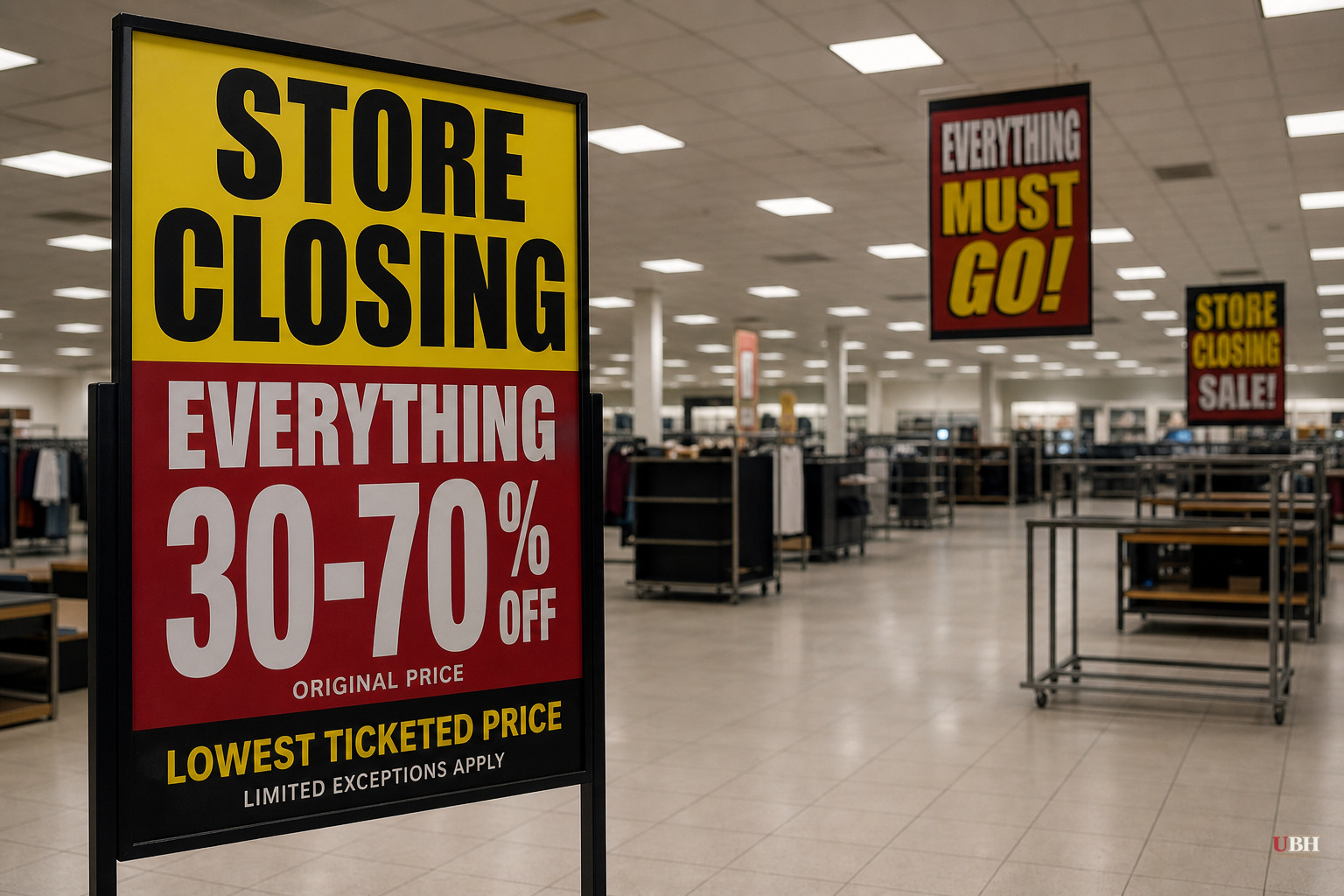
American shoppers slammed their wallets shut in July. Retail sales fell 0.6% from June, according to the Commerce Department's Census Bureau, the steepest monthly drop since May 2025 and the first decline in nine months. Economists polled by Reuters had expected a modest 0.1% gain. Instead they got the largest miss in over a year.
The damage wasn't confined to one corner of the economy. Online retailers saw sales drop 2.2%, the worst of any category, according to CNN Business. Motor vehicle and parts dealers fell 1.8% to 2%, depending on the report. Gas station receipts dropped 0.9% as fuel prices briefly retreated before climbing back above $4 a gallon, according to AAA data cited by both the Globe and Mail and PBS.
Strip out the noisy categories and the picture doesn't improve much. The retail sales control group, a narrower measure that feeds directly into GDP calculations and excludes autos, building materials, food services and gasoline, fell 0.4%, according to the Epoch Times. Economists had expected that number to rise 0.3%. CNN put the control-group decline at 0.44% against a projected 0.4% gain. Either way, it's a miss, and it's the number that matters most for tracking underlying demand.
Amazon moved Prime Day up to June this year, and Walmart and Target ran competing promotions the same month, according to Heather Long, chief economist at Navy Federal Credit Union, quoted by CNN. That pulled forward spending that would normally show up in July. Bank of America economists, cited by the Epoch Times, made the same point: card-spending growth cooled to 5% year-over-year from 6.3% in June, but they attributed much of that to the fading of temporary boosts like World Cup spending and shifted promotional calendars, not a broad collapse in demand.
Generous tax refunds earlier this year gave consumers extra cash to spend through the spring, and multiple outlets, including the New York Post and PBS, reported that cushion has now been exhausted. Meanwhile Americans are carrying more than a trillion dollars in credit card debt, up 60% in five years, according to PBS, and delinquencies have been climbing as rates stay elevated.
Consumer sentiment backs up the gloomier read. A University of Michigan survey showed sentiment dropped about 8% in early August to a preliminary reading of 51, snapping two months of improvement, according to CNN. Joanne Hsu, the survey's director, said there's a pervasive belief among consumers that high prices will keep being burdensome, and that the pessimism was spread across demographic groups.
Retail sales were still up 5% year-over-year in July, and the S&P 500 is up 14% on the year after a 16.4% surge in 2025, according to the New York Post. Consumer spending grew at a 3.2% annualized clip in the second quarter. Nobody serious is calling this a collapse. Bank of America's own economists said as much. The worry is about direction, not a cliff.
The timing stings, though. This drop follows an already weak July jobs report, and both data points are landing while gas prices are rising again, not falling. CNN and the Globe and Mail both flagged that pump prices hit $4.08 a gallon, up 92 cents from a year earlier, with AAA calling the elevated cost at this point in the year unprecedented. That's a tax on every household budget that doesn't care about stock portfolios.
For the Federal Reserve, this is one more data point pushing toward patience. July CPI came in at 3.4% year-over-year, down slightly from June, and producer prices were flat, according to tradingkey and Brisk Markets. Combined with the weak jobs numbers and now this retail miss, markets are leaning hard toward the Fed holding rates steady at its September meeting rather than hiking, according to Sal Guatieri, senior economist at BMO Capital Markets.
The Atlanta Fed's GDPNow model had been tracking third-quarter growth near 6%, according to the Epoch Times, a number that will almost certainly get revised down after this report. Whether that revision is a rounding error or the start of something worse depends entirely on what August and September retail data show, and on whether gas prices at the pump keep climbing while the Strait of Hormuz situation remains unresolved.
Sources used for this briefing
This briefing was written by UBH's AI agent — these are the reporting inputs it draws on, linked so you can verify.


