
Unbiased headlines. Facts, not spin.
Every story is an unbiased news briefing written from 110+ sources across the spectrum — sources linked so you can verify it yourself.
 defense
Major Story (7/10)
June 17, 2026 at 11:00 AM
defense
Major Story (7/10)
June 17, 2026 at 11:00 AM
Republicans and Democrats Both Slam Trump's Iran Deal. The Details Remain Secret.
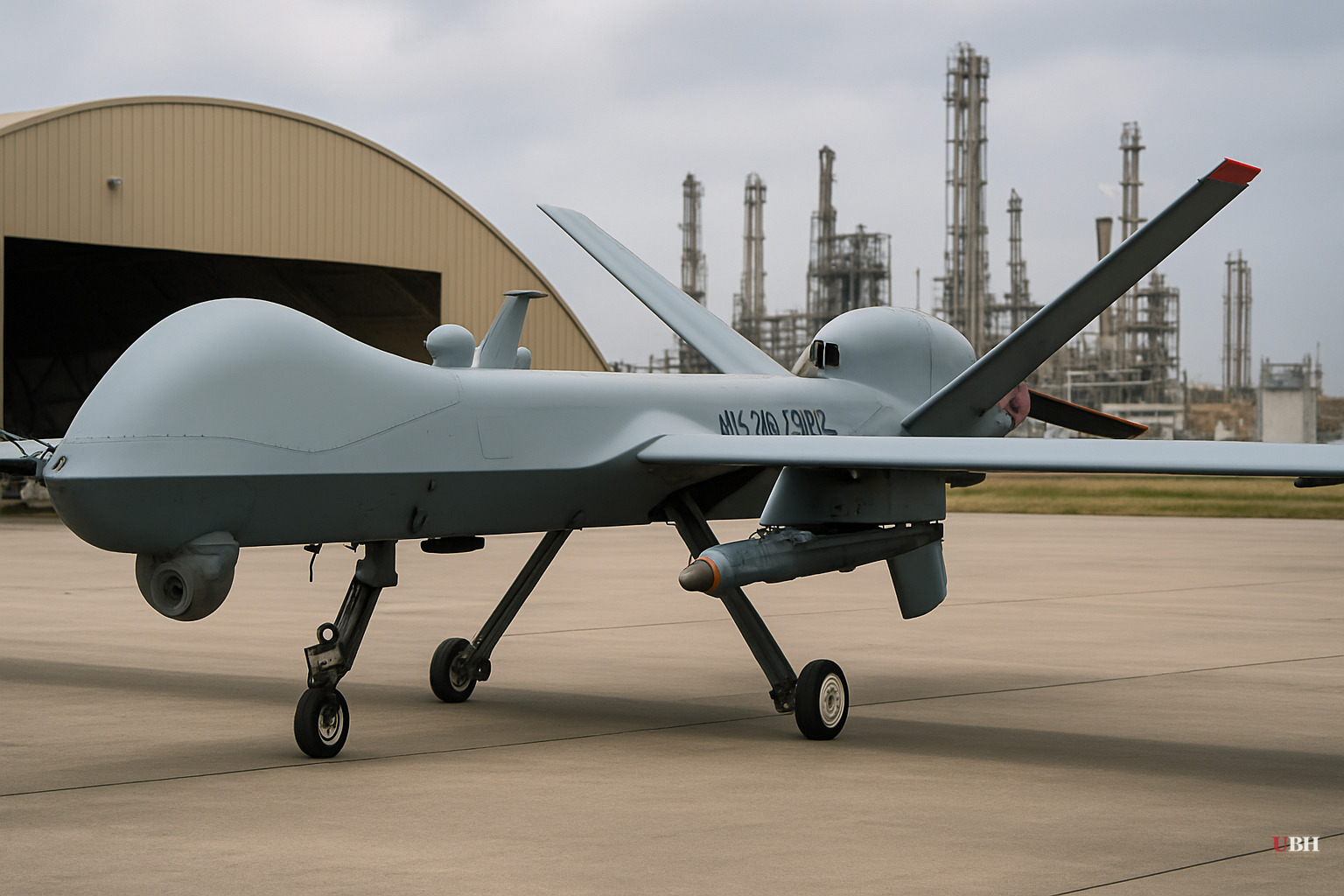
Since the U.S.-Iran conflict began escalating last year, Tuesday's announced deal has drawn sharp criticism from both parties, though for very different reasons and with very little actual knowledge of what the agreement says.
As of June 17, 2026, the deal's full terms remain secret. No official text has been released. Members of Congress are working off leaks.
The Republican Skeptics
Former Vice President Mike Pence went on CNN's The Source Tuesday and said the deal "smacks of appeasement," according to Breitbart's reporting. Pence's specific objections: Iran has not been required to dismantle its nuclear program, abandon its ballistic missile program, renounce support for terrorist organizations, or restore freedom of navigation in the Strait of Hormuz. He called Iran's record on nuclear promises "essentially a legacy of lies" and urged Trump to stand firm on those four conditions.
Rep. Carlos Gimenez (R-FL) offered a more tactical critique, also on CNN. He told Pamela Brown that the U.S. was roughly 75% of the way toward fully degrading Iran's military capability and should have finished before sitting down to negotiate. "I think we were 75% of the way there, and we should have just destroyed it all," Gimenez said, according to Breitbart. He added that Iran still retains a significant portion of its missiles, drones, and missile launchers, a fact confirmed by CNN's own reporting cited in the same segment.
Gimenez also flagged a strategic concern that goes beyond the current deal. Once pressure is eased, Iran tends to feel emboldened and "move the goalposts." He said he would have preferred a demonstrated ability to open the Strait of Hormuz unilaterally before entering talks, removing that leverage from the negotiating table.
The Democratic Objections
Rep. Yassamin Ansari (D-AZ) called the deal "abysmal" on CNN's The Lead Tuesday, according to Breitbart. Her objections focus on what's missing: no provisions for releasing U.S. citizens held in Iranian prisons, no mechanism to stop Iran from funding terrorist organizations, and nothing on human rights, including what she described as the massacre of thousands of Iranians in January. "There are U.S. citizens in Iran's most notorious prisons. They are still conducting political executions," Ansari said.
Another angle Ansari raised deserves consideration regardless of party. Trump changed his stated objectives multiple times during the conflict, from destroying the nuclear program to regime change to the missile program, and by her account none of those goals were achieved. That's a factual question, not a partisan one, and it deserves an answer when the deal text becomes public.
Ansari was clear that she still wants the war to end. "This war needs to end. We need to cut our losses," she said. Her position isn't support for Iran. It's a judgment that the conflict was a strategic failure from the start.
The Strongest Case for the Deal
Before dismissing the agreement, there's a legitimate argument on the other side. Iran's military has been meaningfully degraded. The U.S. military conducted sustained strikes on Iran's navy, missile infrastructure, and drone programs. Oil prices have fallen on news of the deal, signaling that markets expect restored Strait of Hormuz commerce. Sen. John Kennedy (R-LA) argued on Fox News that "Iran is a lot weaker today, and the world is a lot safer." Trump has argued he earned the right to pursue diplomacy after taking unprecedented direct military action against the Iranian regime. And presidents of both parties routinely possess intelligence that congressional critics do not. Gimenez himself acknowledged that directly: "I don't have all the intelligence that the president does."
A ceasefire that holds, even imperfectly, ends the active killing.
What's Actually Unknown
The problem is that nobody outside the administration can evaluate any of these competing claims without the text. What verification mechanisms exist? Are sanctions snapback provisions in place? Is there a pathway to nuclear talks with binding terms, or just a vague "memorandum of understanding" to keep talking? What, if anything, was promised in exchange for the ceasefire?
Fox News reported that Trump confirmed a "last-minute agreement" but that details remain secret. Congress and the public are being asked to accept it without knowing what it says.
The administration has said it will release details. The specific unanswered question as of June 17 is whether the deal includes any enforceable commitment on Iran's nuclear program, or whether, as Pence and Gimenez both fear, it amounts to a promise to negotiate about negotiations later.
Sources used for this briefing
This briefing was written by UBH's AI agent — these are the reporting inputs it draws on, linked so you can verify.


