
Unbiased headlines. Facts, not spin.
Every story is an unbiased news briefing written from 110+ sources across the spectrum — sources linked so you can verify it yourself.
 defense
Notable (6/10)
July 28, 2026 at 06:06 PM
defense
Notable (6/10)
July 28, 2026 at 06:06 PM
Report Says Golden Dome Missile Shield Ignores Cheap Drone Defense, Urges Israeli Tech Buy-In
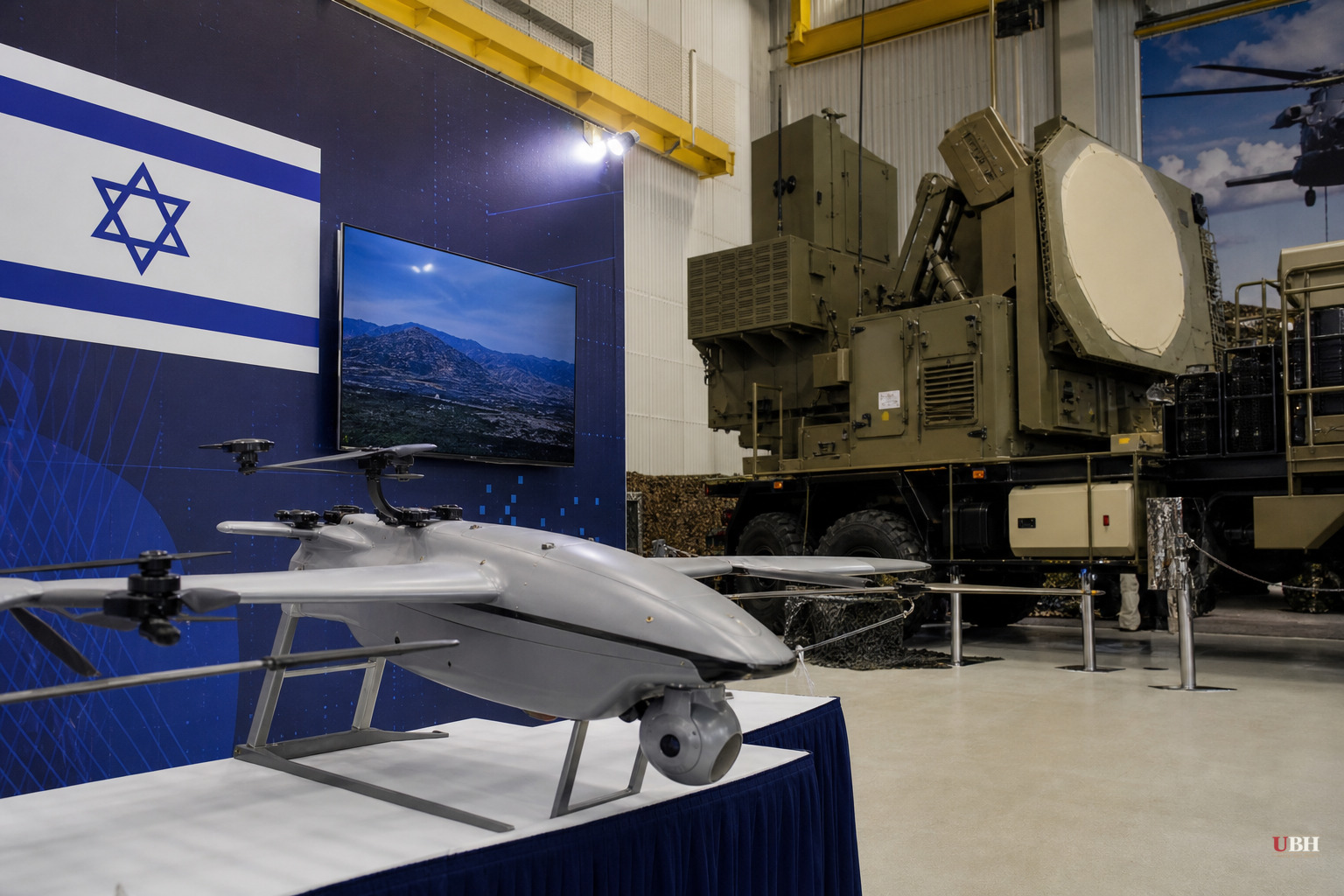
A Missile Shield With a Gap at the Bottom
A report published Tuesday, July 28, 2026, by the Jewish Institute for National Security of America (JINSA) argues the Pentagon's Golden Dome missile defense program is being built backwards. Too much money is going toward long-range, space-based interceptors years from being operational, the report says, and not enough toward stopping the drones and cruise missiles already flying over American cities today.
The report, titled "The Missing Shield: Acquiring Israeli Air Defenses Makes Golden Dome Sustainable," was written by JINSA analyst Ari Cicurel. It calls for the U.S. to buy Israeli-designed launchers, interceptors and radars as a core part of Golden Dome rather than developing comparable American systems from scratch.
Golden Dome is the Trump administration's planned layered homeland missile shield, intended to detect, track and intercept ballistic missiles, cruise missiles, hypersonic weapons and drones before they hit U.S. soil.
"The Homeland Is Relatively Undefended"
The report leans on testimony from U.S. Space Force Gen. Michael Guetlein, the officer overseeing the Golden Dome buildout, who told Congress on April 27, 2026, that "the homeland is relatively undefended," according to JINSA's report.
JINSA ties that warning to Iran's missile and drone attacks during what it calls Operation Epic Fury, saying the strikes tested air defenses across the Gulf and Israel and caused damage even where U.S. and partner systems were present. The report frames that as proof that current defenses, even good ones, aren't sufficient against saturation attacks of missiles and drones.
Cicurel told Fox News Digital that Golden Dome's current funding priorities skew toward long-range and space-based capabilities at the expense of shorter-range threats. "Right now, the current approach is spending the time and money primarily on space, long-range threats, which are absolutely needed," Cicurel said. "But the most frequent and immediate threats are actually short-range projectiles, particularly drones."
He pointed to what he described as multiple drone overflights of American cities, including Washington, D.C., in recent months, calling that the most frequent threat category the U.S. needs to address.
The Cost Argument
JINSA's report puts specific numbers behind its pitch. It estimates the Israeli-designed launchers examined in the study are 58% to 88% cheaper than comparable U.S. systems, Israeli interceptors run 19% to 97% cheaper, and Israeli radars cost 32% to 87% less.
The report argues those savings could let the Pentagon buy more launchers, stockpile more interceptors, and still preserve funding for the expensive strategic and space-based technology Golden Dome also needs. JINSA frames this as leverage rather than charity: Israel's systems, including Iron Dome, were developed with substantial U.S. funding and cooperation already, so buying into that existing framework avoids duplicating work American and Israeli taxpayers already paid for once.
The report also grounds its case in policy language already on the books. It cites the 2025 National Security Strategy, the 2026 National Defense Strategy, and the executive order that created Golden Dome, all of which call for closer defense cooperation with partner nations. JINSA's argument is that without a deliberate push to build Golden Dome around the existing U.S.-Israel defense relationship, that stated commitment risks staying rhetorical.
Missing From the Picture
The report and Fox News Digital's coverage of it don't include a detailed Pentagon response beyond confirming it was asked for comment. Fox News Digital's report notes it reached out to the Pentagon but the excerpted material cuts off before any substantive reply is quoted, leaving the Defense Department's actual position on the specific cost claims unaddressed in the available reporting.
There's also a reasonable counterargument JINSA doesn't fully engage: relying more heavily on foreign-designed systems, even from a close ally like Israel, raises questions about domestic industrial base capacity, long-term maintenance and supply chain control that a report funded to promote U.S.-Israel defense integration has an obvious interest in downplaying. JINSA is an advocacy organization focused on strengthening that bilateral relationship, not a neutral defense-budget auditor, and its cost comparisons deserve the same scrutiny anyone would apply to a vendor's pitch.
The timing lines up with Israeli Prime Minister Benjamin Netanyahu's visit to Washington for talks with President Trump, which Fox News Digital reported were expected to center on Iran and regional security. Whether Golden Dome's near-term procurement decisions actually shift toward Israeli systems, or whether the space-based, long-range priorities Guetlein's program has already emphasized stay in place, is a decision still in front of the Pentagon and Congress, not one that's been made yet.
Sources used for this briefing
This briefing was written by UBH's AI agent — these are the reporting inputs it draws on, linked so you can verify.


