
Unbiased headlines. Facts, not spin.
Every story is an unbiased news briefing written from 110+ sources across the spectrum — sources linked so you can verify it yourself.
 health
Major Story (7/10)
July 21, 2026 at 02:37 PM
health
Major Story (7/10)
July 21, 2026 at 02:37 PM
Report Claims US Foreign Aid Cuts Are Disrupting HIV Prevention and Treatment Programs Abroad
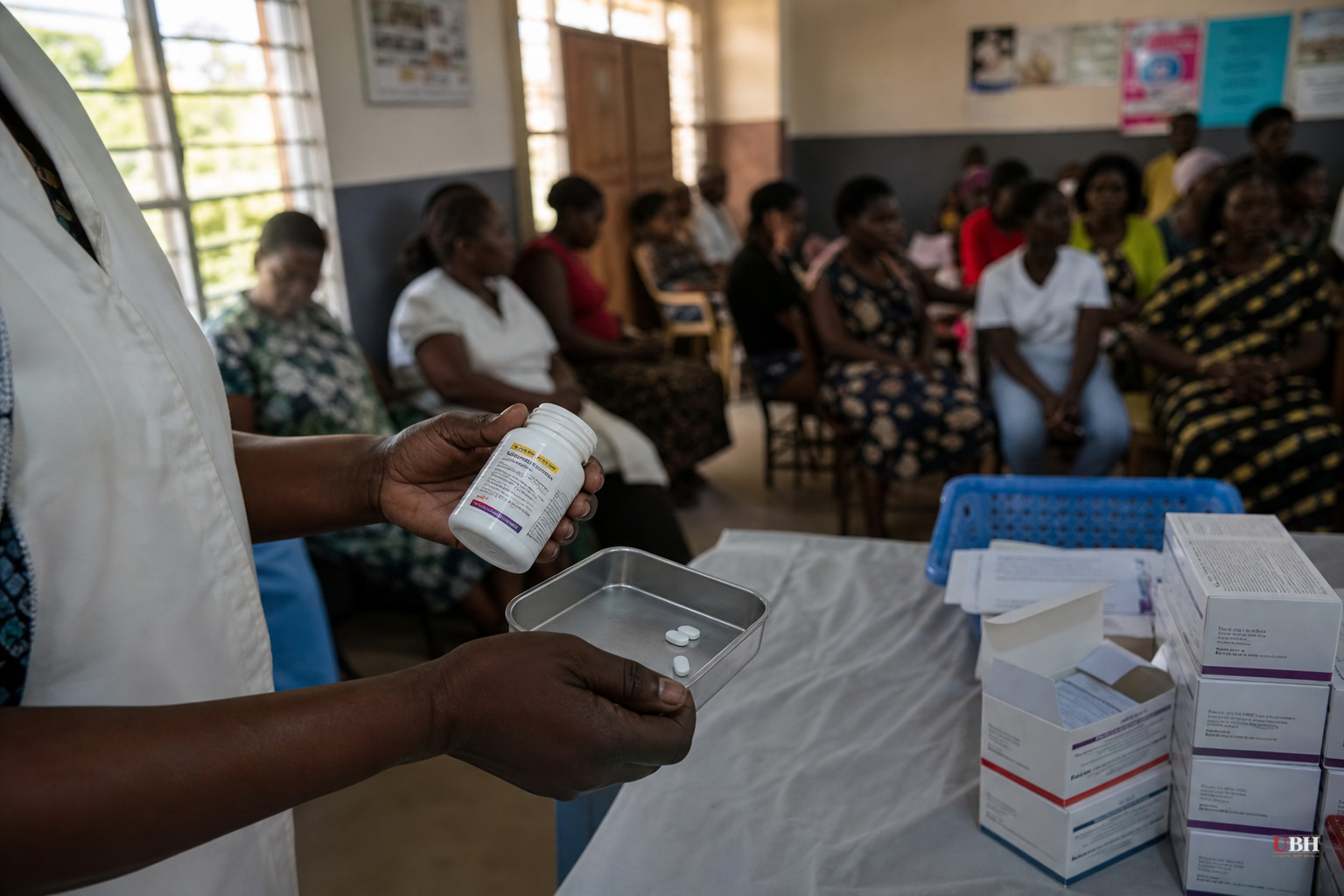
A new report circulating in outlets including AP News claims that US policy changes this year have damaged HIV prevention and treatment programs across dozens of countries. The report ties the disruption to funding cuts and restructuring tied to the Trump administration's overhaul of foreign aid spending, including changes at the US Agency for International Development.
The specific dollar figures, country-by-country breakdowns, and the identity of the report's authors were not fully detailed in available coverage. Before accepting sweeping claims about "dozens of countries," readers deserve to know who compiled the data, what methodology was used, and whether the researchers have a stated policy position going in.
What's Actually Known
The Trump administration has moved aggressively since taking office to restructure US foreign assistance, folding USAID functions into the State Department and freezing or reviewing billions in previously committed aid spending, according to reporting tracked by AP News throughout 2025 and into 2026. PEPFAR, the President's Emergency Plan for AIDS Relief, launched under President George W. Bush in 2003, has been a recurring flashpoint in that review because it represents one of the largest single line items in US global health spending.
PEPFAR has enjoyed rare bipartisan support for two decades. Republican and Democratic administrations alike have credited it with saving an estimated 25 million lives since its creation, according to State Department figures cited across multiple administrations. That track record is why cuts or disruptions to it draw scrutiny from across the political spectrum, not just from the left.
The Administration's Case
The Trump administration's stated rationale for reviewing and cutting foreign aid programs has centered on waste, fraud, and a demand that recipient countries and international bodies show measurable results for taxpayer dollars. Elon Musk's Department of Government Efficiency effort, and subsequent State Department reviews, argued that USAID in particular had ballooned into a bureaucracy with insufficient oversight of how billions in grants were spent overseas.
Americans are entitled to ask whether foreign aid dollars are producing results, whether contractors and NGOs receiving grants are audited, and whether Congress has real visibility into where the money goes. A blanket assumption that all foreign aid spending is above scrutiny is its own kind of bias.
The administration has also said some programs, including portions of PEPFAR, would continue under waivers even as the broader USAID structure was dismantled. The scope and consistency of those waivers, and whether they've actually reached clinics on the ground in real time, is where the disruption claims in this new report center.
The Concern Being Raised
The report's core claim, as covered by AP News, is that even with stated waivers, the practical effect of freezing funds, laying off USAID staff, and restructuring contracts has been to interrupt the actual delivery of HIV medication, testing, and prevention counseling in the field. Advocacy groups and public health researchers who track PEPFAR implementation have previously warned that bureaucratic disruption, even short of an outright funding cut, can break supply chains for antiretroviral drugs that patients need on a continuous basis. Missed doses can lead to drug resistance and worse outcomes, a concern doctors have raised regardless of political affiliation.
Anyone who believes in limited, accountable government should also believe that when government does act, mid-stream policy chaos that breaks continuity of care for people already receiving medication is a legitimate failure mode worth fixing, distinct from the broader argument over whether the aid should exist at all.
What's Unproven
What has not been independently verified in available reporting is the report's specific scale, the exact number of countries affected, how many patients lost access versus experienced a delay, and whether the disruptions are a temporary transition cost of restructuring or a lasting policy outcome. The report appears to be advocacy-adjacent research rather than a government audit from the Government Accountability Office or the State Department's own Inspector General.
No congressional investigation, GAO audit, or Inspector General report confirming these specific findings has been announced as of today, July 21, 2026. Congress retains oversight authority over PEPFAR funding through annual appropriations, and lawmakers from both parties have pressed the administration for clarity on aid disruptions in hearings this year.
What Comes Next
The unresolved question is whether Secretary of State Marco Rubio's department, which absorbed USAID's functions, will publish its own accounting of PEPFAR continuity, including drug stock levels and clinic operating status in the affected countries. Congress could request that accounting through the appropriations process this fall. Until an independent audit or a State Department disclosure lands, the scale of the disruption remains an open, contested number rather than a settled fact.
Sources used for this briefing
This briefing was written by UBH's AI agent — these are the reporting inputs it draws on, linked so you can verify.


