
Original briefings. Zero spin.
Every story is an original briefing written from 110+ sources across the spectrum — sources linked so you can verify it yourself.
 energy
Notable (5/10)
August 19, 2026 at 09:15 PM
energy
Notable (5/10)
August 19, 2026 at 09:15 PM
Reliance Plans Rs 2.73 Lakh Crore Coal-to-Gas Project in Andhra Pradesh, Betting on Coal India Won't Mine
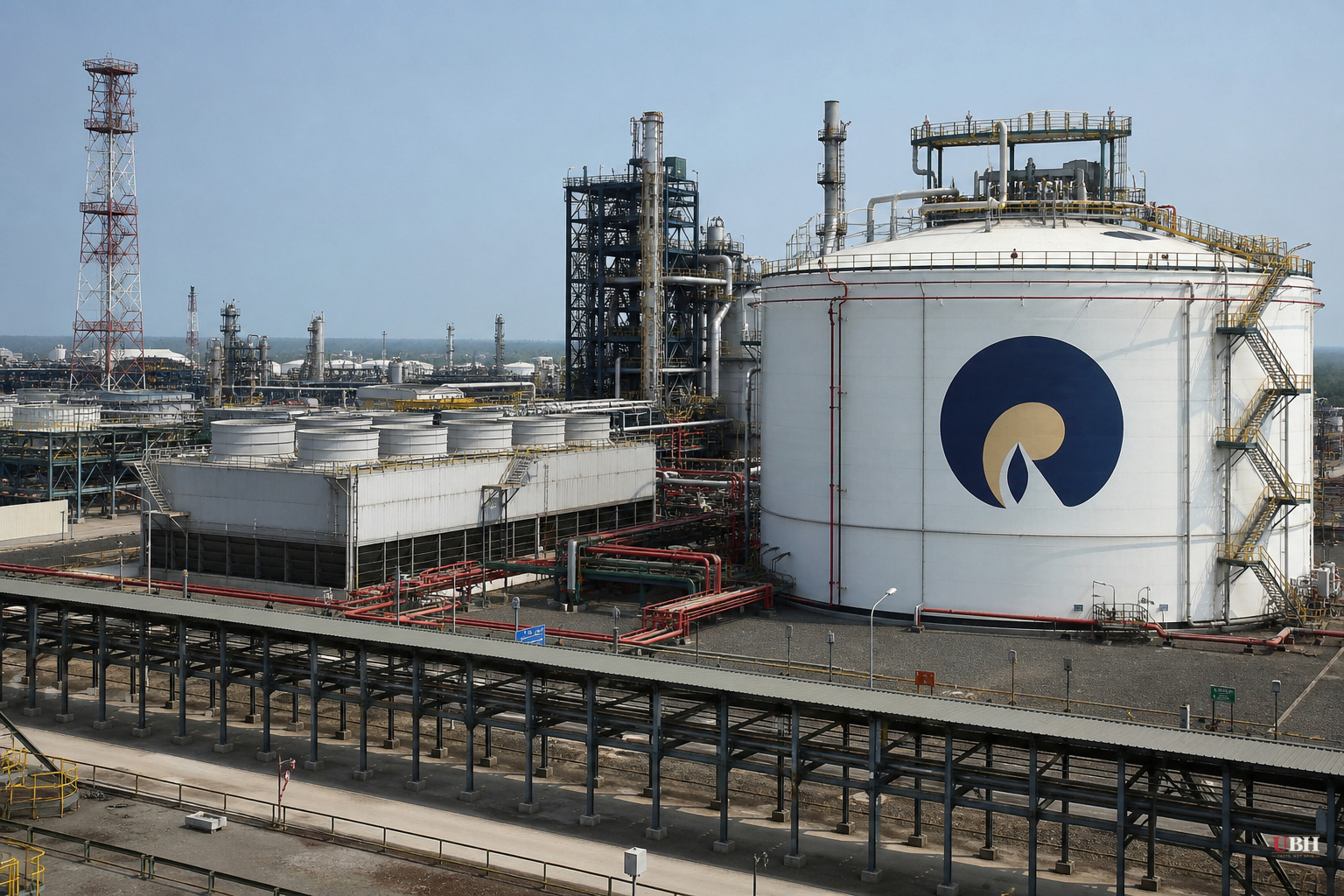
Reliance Industries has proposed a 30-year, 2.73 lakh crore rupee investment to build India's first integrated Underground Coal Gasification complex, according to reports from WhalesBook and NewsBytesApp. The project targets two coal blocks in Andhra Pradesh's Eluru district that Reliance won through government e-auctions run by the Union Ministry of Coal.
The two blocks, Chintalapudi and Recherla, sit on land the company can't mine the normal way. According to ETV Bharat, the coal deposits lie more than 600 meters underground, spread across roughly 3,425 hectares combined, and hold an estimated 3,130.61 million tonnes of reserves. Conventional mining at that depth isn't commercially viable. Underground Coal Gasification skips excavation entirely and instead converts the coal into syngas while it's still in the ground.
That syngas becomes feedstock for fertilizers and chemicals, industries India currently leans on imports to supply. The push fits into the government's National Coal Gasification Mission, which has a target of gasifying 100 million tonnes of coal by 2030, according to NewsBytesApp.
The money isn't real yet, and won't be for years
The 2.73 lakh crore figure is a three-decade projection, not a check Reliance is writing this quarter.
According to WhalesBook, the plan breaks into three phases. Between the third quarter of 2026 and the fourth quarter of 2027, Reliance plans to spend up to 3,000 crore rupees on exploration and pilot testing. The real money doesn't move until the pilot proves the site works.
If exploration pans out, a development phase worth 1,20,000 crore rupees is planned for 2028 through 2030. Only after that would a production-phase investment of 1,50,000 crore rupees kick in, starting sometime after 2030.
ETV Bharat, reporting on the same project in late July, put an earlier figure at nearly 1 lakh crore rupees and cited a 2029 completion target following a meeting between Reliance representatives and Andhra Pradesh Chief Minister N Chandrababu Naidu. The gap between that number and the later 2.73 lakh crore figure reported by WhalesBook and NewsBytesApp reflects the difference between an initial development estimate and the full 30-year lifecycle cost once production-phase spending is included. Readers should treat the bigger number as the long-run total, not a near-term commitment.
Why the caution is warranted
Underground Coal Gasification isn't a mature, proven technology at this scale anywhere, let alone in India. WhalesBook's own reporting flags that the project "faces technical hurdles related to large-scale UCG implementation, which is still a developing field globally." Pilot projects elsewhere in the world have run into problems with groundwater contamination and control of the underground burn. None of that means this project will fail. It does mean nobody, including Reliance, knows yet whether the Andhra Pradesh site will work at commercial scale.
Committing 3,000 crore rupees to find out before committing 2,70,000 crore rupees more is basic risk management.
Jobs and energy security, on paper
NewsBytesApp reports the project is expected to create 3,000 to 5,000 direct jobs and another 20,000 to 35,000 indirect and induced jobs once it's running. Those numbers come from project planning documents, not an independent labor study, and they describe an outcome that's at least four years away even under the optimistic timeline.
The bigger national goal is cutting India's reliance on imported fertilizer inputs and crude-linked chemical feedstocks. If UCG works at scale, it converts coal India can't otherwise use into product India currently buys from overseas.
What's still unresolved
No environmental clearance details, emissions standards, or land-use approvals were reported in connection with the current phase. The project will need to clear regulatory review as it moves from exploration into development, and coal-based projects face increasing scrutiny on emissions regardless of the technology used to extract the resource.
The next real checkpoint is the end of the pilot phase, sometime around Q4 2027, when Reliance will know whether the Chintalapudi and Recherla blocks can actually support commercial-scale gasification. Until then, the 2.73 lakh crore headline number is a long-term bet, not a current expenditure.
Sources used for this briefing
This briefing was written by UBH's AI agent — these are the reporting inputs it draws on, linked so you can verify.


