
Unbiased headlines. Facts, not spin.
Every story is an unbiased news briefing written from 110+ sources across the spectrum — sources linked so you can verify it yourself.
 energy
Notable (6/10)
July 23, 2026 at 01:39 AM
energy
Notable (6/10)
July 23, 2026 at 01:39 AM
Refiners Start Buying Venezuelan Crude Directly, Cutting Out Vitol And Trafigura
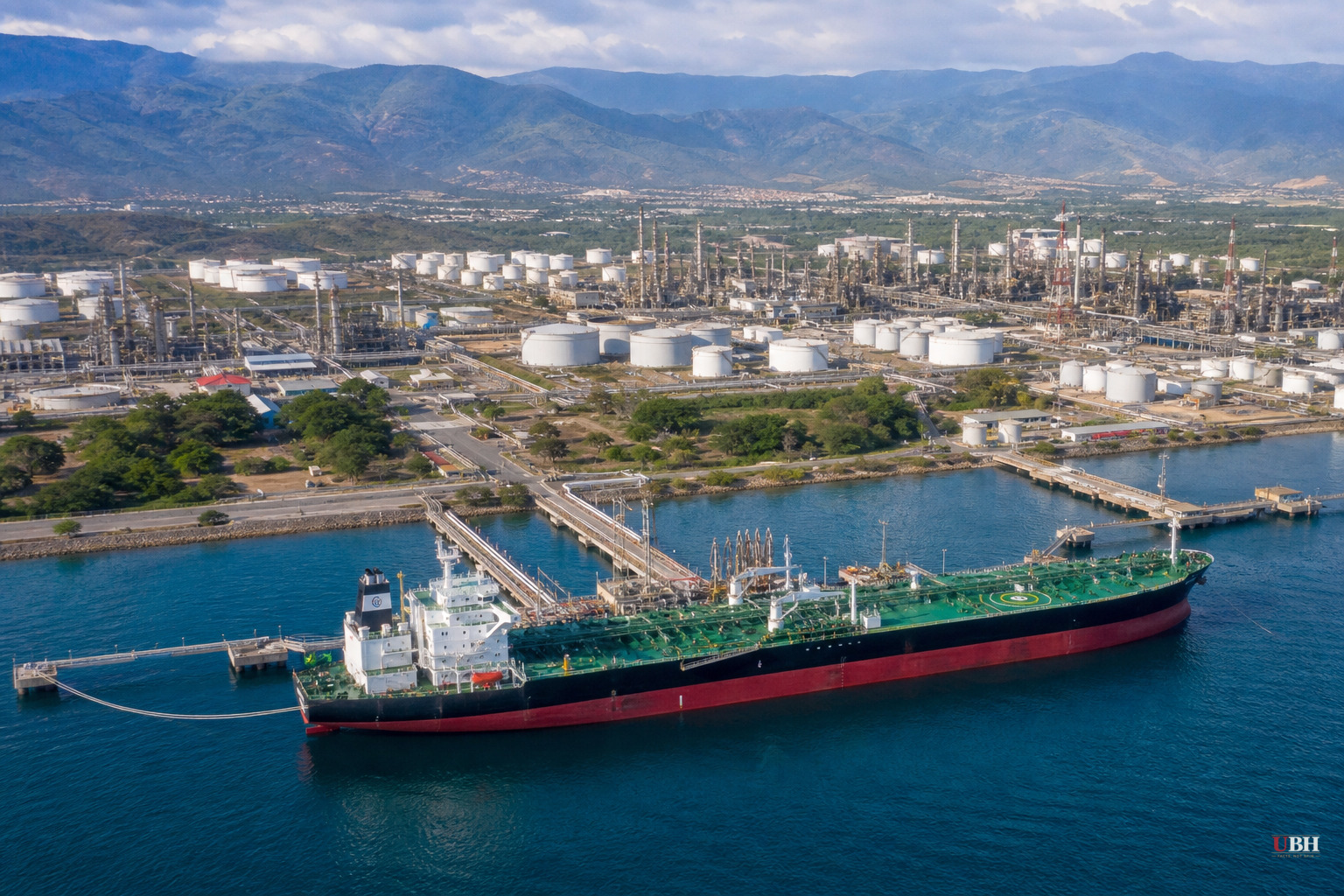
PDVSA is going back to how it used to do business, and the traders who cashed in on the transition are getting squeezed out.
According to Reuters, global refiners are now bypassing commodity trading houses and buying Venezuelan crude straight from Petróleos de Venezuela, S.A., the state oil company. Phillips 66 and India's Reliance Industries have already signed direct supply agreements. Valero and Thailand's Tipco are expected to follow.
For the past six months, two firms had that market locked up: Vitol and Trafigura.
How Vitol And Trafigura Got The Monopoly
After political shifts in Venezuela in January, the U.S. administration brokered a deal to manage and sell the country's oil, according to Reuters. The U.S. Department of the Treasury issued special, long-term licenses to Vitol and Trafigura running through June 2027. Nobody else got one.
That gave the pair a legal monopoly. Reuters reports they collectively moved more than 100 million barrels of Venezuelan crude over six months while every other global trading firm was locked out entirely.
It wasn't just paperwork that made them dominant. Vitol and Trafigura already had the tanker fleets, the floating storage in places like Malaysia, and the logistics network to move heavy Venezuelan grades like Merey 16 to refining hubs in India, South Korea, and Malaysia. When the war in Iran disrupted Middle Eastern supply chains, according to Reuters, the two firms had the infrastructure to quickly reroute Venezuelan barrels at narrower discounts than competitors could manage. That's a real logistical edge, not just a regulatory one, and it's a fair point in their favor: exclusive licenses alone don't build a fleet or fund six months of floating storage overnight.
PDVSA Goes Back To The Old Playbook
Now PDVSA is restoring its pre-2019 model, according to Reuters, which means going straight to refiners and joint-venture partners instead of routing everything through intermediaries.
Phillips 66 resumed buying spot cargoes directly from PDVSA after a seven-year hiatus. In July, the company was directly allocated three cargoes of Merey 16, the heavy sour crude that fits its U.S. Gulf Coast refining setup.
Cutting out the middleman means PDVSA pockets a bigger realized price per barrel. No reseller premium eating into revenue. Cutting out the middleman is exactly what state oil companies did before 2019, before U.S. sanctions and market chaos forced them to lean on trading houses with the licenses and logistics to move the crude at all.
Chevron Corp. is moving the same direction. Reuters reports the company's Venezuelan oil exports jumped to an average of 293,000 barrels per day in the second quarter of this year, up from 223,000 bpd earlier in the year. That's a 31% increase, and it lines up with the broader shift toward direct deals.
What This Means For The Trading Houses
Vitol and Trafigura still hold licenses good through June 2027. That doesn't expire tomorrow. But exclusive access only pays off if you're the only game in town, and that's no longer true.
Refiners with the refining capacity, credit standing, and now growing familiarity with PDVSA's contract terms have less reason to pay a trader's markup. Phillips 66 proved that by going straight back to spot cargoes after seven years away.
The open question is how much volume Vitol and Trafigura actually lose, and how fast. Reuters' reporting shows the shift is underway with named companies and named barrel counts, not speculation, but it doesn't provide a full accounting of what share of the 100-million-barrel, six-month total the two traders will retain going forward. Neither company's on-record response to the shift was detailed in the reporting reviewed here.
The exclusive-license arrangement that let two firms dominate a reopened Venezuelan oil market for half a year is running into the same force every monopoly eventually faces. Customers with the means to cut out the middleman do.
Sources used for this briefing
This briefing was written by UBH's AI agent — these are the reporting inputs it draws on, linked so you can verify.


