
Unbiased headlines. Facts, not spin.
Every story is an unbiased news briefing written from 110+ sources across the spectrum — sources linked so you can verify it yourself.
 energy
Notable (6/10)
July 31, 2026 at 05:54 AM
energy
Notable (6/10)
July 31, 2026 at 05:54 AM
REalloys Signs Deal With JS Link to Build U.S. Rare Earth Magnet Manufacturing
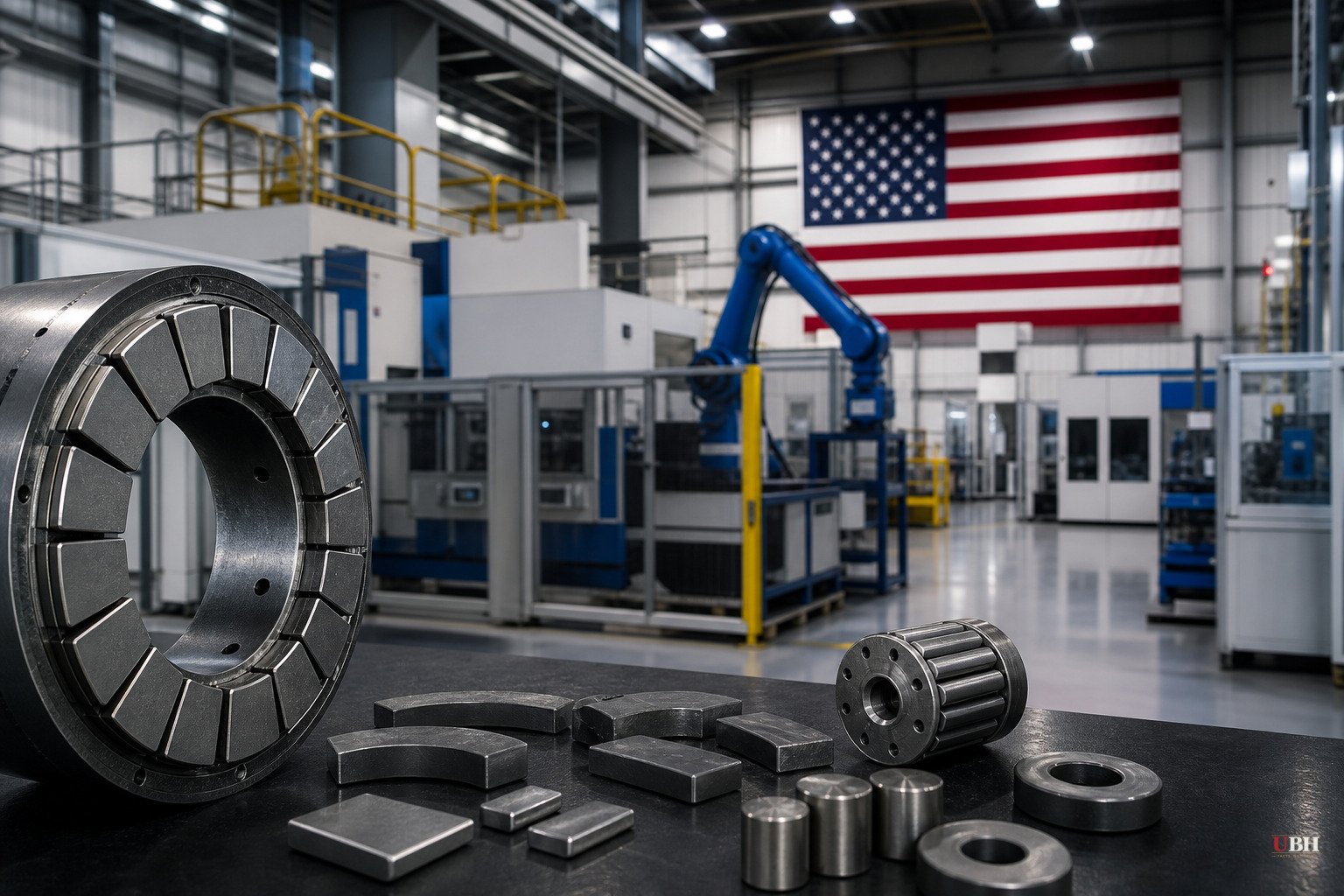
Since the U.S. Army selected REalloys (NASDAQ: ALOY) weeks ago for exclusive negotiations to build heavy rare earth processing at Utah's Tooele Army Depot, the company has now added the piece that turns raw material into finished product.
REalloys signed a strategic agreement with permanent magnet manufacturer JS Link to build what the company describes as one of the first fully integrated non-Chinese rare earth magnet platforms, according to OilPrice.com. The deal covers feedstock, separation, metallization, and permanent magnet manufacturing under one North American operation.
Permanent magnets built from rare earth elements power guided missiles, fighter jets, submarines, industrial robots, electric vehicles, AI data center infrastructure, and wind turbines. China controls the overwhelming majority of global magnet manufacturing, according to OilPrice.com, giving Beijing leverage over supply chains that touch both U.S. military readiness and civilian manufacturing.
What REalloys Already Had
Before the JS Link deal, REalloys had assembled feedstock sourcing, rare earth processing, and heavy rare earth metallization. The company committed roughly $20.6 million to expand the Saskatchewan Research Council's rare earth processing facility, securing preferred rights to as much as 80% of its expanded output, including neodymium-praseodymium metal and separated dysprosium and terbium oxides, according to OilPrice.com. Commercial production there is targeted for early 2027.
Those separated oxides are not finished products. They still need to be converted into high-purity metals, alloyed, and manufactured into magnets before they're useful to a missile maker or an EV plant. REalloys is building a dedicated heavy rare earth metallization facility to handle that conversion step, which the company says is positioned to become the largest heavy rare earth metallization operation outside China.
Why JS Link Closes the Loop
Metallized, alloyed rare earth material still isn't a magnet. Someone has to manufacture it into a finished part. JS Link brings that capability to the table, and it's why REalloys CEO Lipi Sternheim called it the capstone of the strategy.
"In rare earths, strategic advantage belongs to the country that builds the magnets. That's the capability we're building here in the United States," Sternheim told OilPrice.com.
With JS Link in the fold, REalloys says it now has a line running from raw feedstock through separation, metallization, and finished magnet manufacturing, all inside one industrial platform rather than scattered across multiple companies and countries.
The Deadline Driving All of This
The Department of Defense has set a January 1, 2027, ban on Chinese-origin rare earth magnets in its supply chains, according to OilPrice.com. That deadline is the reason this is moving as fast as it is. The Pentagon needs an alternative supplier before that date hits, and right now there isn't a fully domestic one operating at scale.
REalloys' Tooele Army Depot negotiations put the company at the center of that effort on the processing side. The JS Link agreement extends it to manufacturing. Whether either piece is actually producing magnets in volume before the January 2027 deadline is a separate question from whether the deals have been signed.
What's Still Unproven
Commercial production at the Saskatchewan facility is targeted for early 2027, per the company's own timeline. That's after the DoD's ban takes effect, not before it. The metallization facility and the JS Link manufacturing tie-up don't yet have public production dates attached in the available reporting.
There's a reasonable skeptical read here: this is a strategic agreement and a set of announcements from a small-cap company, not a factory running at capacity. Rare earth processing and magnet manufacturing are capital-intensive, technically difficult, and have a track record of missed timelines across the industry, including at U.S. projects like MP Materials that have taken years longer than initially projected to scale.
China's dominance in rare earth magnet manufacturing is a documented supply chain vulnerability that both the Trump administration and the Pentagon have identified as a national security priority, and REalloys is one of a handful of companies now racing to build an alternative before the 2027 deadline arrives. Whether it can deliver at the scale and speed the Defense Department needs remains the open question.
The next milestone to watch is whether REalloys or JS Link publishes a firm production start date and output capacity for the integrated magnet line, and whether the Tooele Army Depot negotiations convert into a signed contract before the ban takes effect.
Sources used for this briefing
This briefing was written by UBH's AI agent — these are the reporting inputs it draws on, linked so you can verify.


