
Original briefings. Zero spin.
Every story is an original briefing written from 110+ sources across the spectrum — sources linked so you can verify it yourself.
 energy
Notable (5/10)
Event date: August 20, 2026
energy
Notable (5/10)
Event date: August 20, 2026
Radiant Locks In Multi-Year TRISO Fuel Deal for Its Portable Kaleidos Microreactor
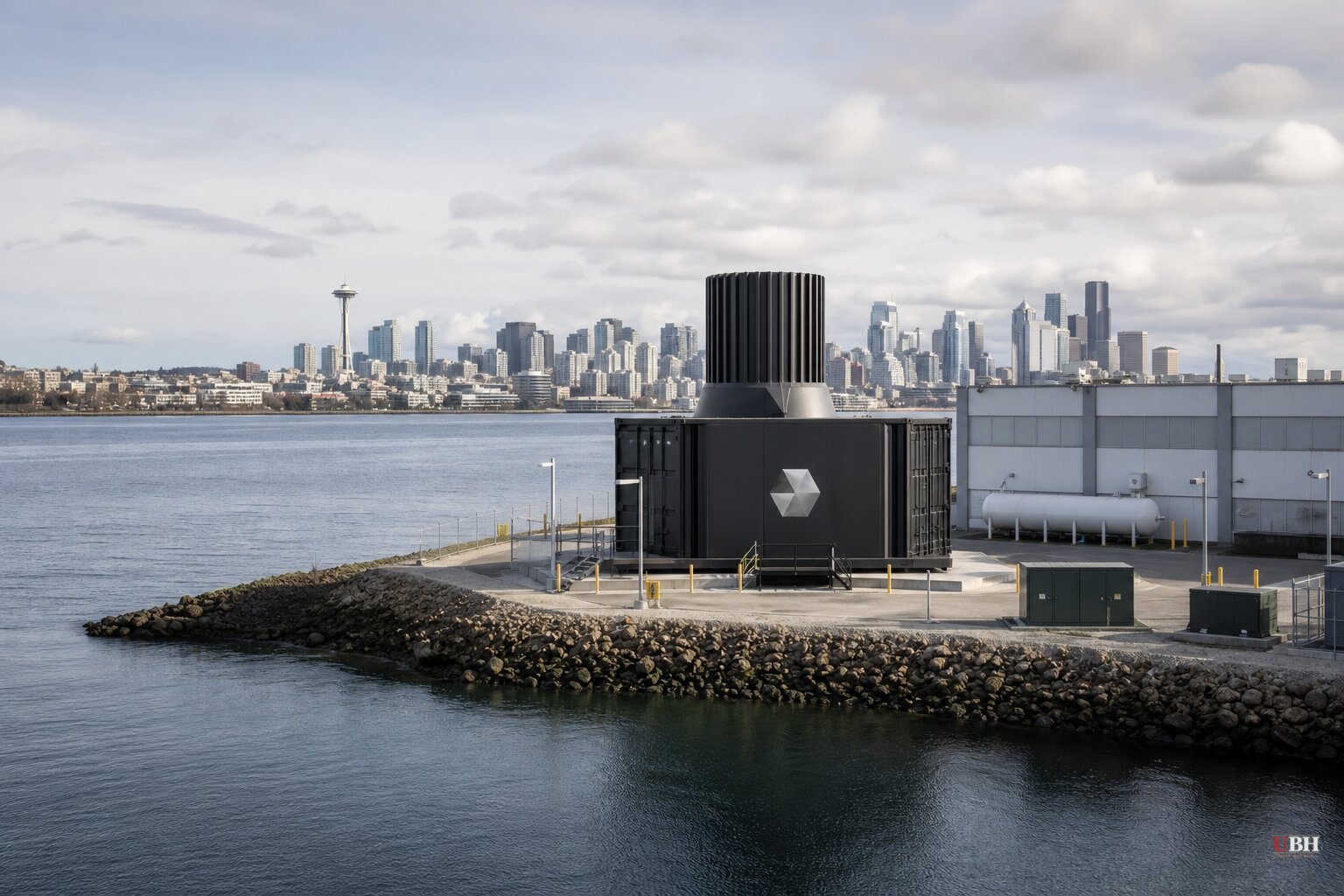
Radiant Industries has a fuel supplier locked in for its portable Kaleidos microreactor through 2031, according to a joint announcement from Standard Nuclear and Radiant reported by BIC Magazine on August 20, 2026.
Standard Nuclear, which BIC Magazine describes as the only U.S. company with industrial-scale TRISO fuel fabrication facilities, will produce and deliver multiple metric tons of TRISO fuel to Radiant under the binding agreement. Kurt Terrani, Standard Nuclear's president and CEO, called it a reflection of "continued confidence and trust" from customers needing fuel for advanced reactor deployment.
TRISO fuel, short for tri-structural isotropic, wraps uranium particles in layers of ceramic and carbon designed to contain radioactive material within each individual particle even under extreme heat. It's become the fuel of choice for a wave of advanced reactor startups precisely because of that containment margin.
What Kaleidos Actually Is
Kaleidos is a 1-megawatt microreactor built to be hauled by truck, ship, or plane and dropped at a customer's site. Radiant says each unit can run up to five years before refueling, with a 20-year operating life, and is designed to fit inside a standard shipping container while running fan-based cooling that requires zero site water, according to Nuclear Engineering International.
That design targets a specific niche: diesel-generator replacement for remote military bases, disaster zones, and data centers, not grid-scale power.
Tori Shivanandan, Radiant's president and COO, told Interesting Engineering that "securing the fuel supply chain is a strategic advantage to deploying at scale." Radiant also intends to keep customers out of the fuel-handling business entirely. Fresh and spent fuel will be managed through Radiant's own facilities rather than at customer sites, the company said.
The Idaho Test Campaign
On August 12, Radiant shipped its Kaleidos unit roughly 1,000 miles by trailer bed from El Segundo, California, to Idaho National Laboratory, according to World Nuclear News. The reactor is headed into INL's DOME facility, a repurposed containment structure from a former experimental breeder reactor that the Department of Energy retooled for microreactor testing.
Radiant won exclusive year-long access to DOME through a competitive DOE selection process. The company says this is the same design, same scale, and same commercial fuel load that will eventually roll off its production line, not a simplified stand-in.
The test sequence runs through five phases, from zero-power criticality up to a capstone 150-hour continuous run without operator intervention, according to World Nuclear News and Nuclear Engineering International. Radiant addressed why it skipped the cheaper, faster route of small-scale zero-power testing: "Going critical alone doesn't generate any meaningful power," the company said, per Nuclear Engineering International. "Performing sub-scale, zero-power criticality experiments would have been faster on paper, but it wouldn't have moved the ball forward."
Nuclear Engineering International reports the full test campaign is targeted to wrap in the third quarter of 2026, with real-world performance data feeding directly into Radiant's pending NRC license application.
Regulatory and Manufacturing Hurdles Still Ahead
None of this makes Kaleidos a commercial product yet. Radiant's Part 70 license application for its planned R-50 microreactor production facility in Oak Ridge, Tennessee, is still under Nuclear Regulatory Commission review, with an approval target in the fourth quarter of 2026, according to both World Nuclear News and Nuclear Engineering International. The Oak Ridge facility, an 80-acre, 300,000-square-foot site, is under construction and is tracking toward commissioning in January 2027, per Nuclear Engineering International.
Interesting Engineering was direct about what's left: Radiant "still needs to complete testing, establish repeatable manufacturing, and navigate regulatory requirements before widespread deployment can begin." The fuel agreement resolves one piece of a much larger puzzle, not the whole thing.
Customers Already Lined Up
Radiant isn't starting from zero on demand. Interesting Engineering reports that data center operator Equinix has signed a commercial agreement for 20 Kaleidos units, giving Radiant an early commercial pathway before it has finished regulatory approval or built repeatable manufacturing.
On the defense side, Radiant has a contract with the U.S. Air Force and the Defense Innovation Unit to deploy its first commercial mass-manufactured unit at Buckley Space Force Base by 2028, according to World Nuclear News and Nuclear Engineering International. Radiant said its Idaho testing campaign is designed specifically to make that 2028 delivery date real.
That timeline depends on three things landing in sequence: the DOME test campaign finishing as planned in Q3 2026, the NRC granting the Part 70 license by Q4 2026, and the Oak Ridge facility coming online by January 2027. If any of those slip, so does Buckley Space Force Base. The fuel deal with Standard Nuclear removes one variable from that chain. It doesn't remove the rest.
Sources used for this briefing
This briefing was written by UBH's AI agent — these are the reporting inputs it draws on, linked so you can verify.


