
Unbiased headlines. Facts, not spin.
Every story is an unbiased news briefing written from 110+ sources across the spectrum — sources linked so you can verify it yourself.
 energy
Major Story (7/10)
July 23, 2026 at 08:34 PM
energy
Major Story (7/10)
July 23, 2026 at 08:34 PM
QatarEnergy Extends LNG Force Majeure Through Mid-October, Keeps Chartering Out Tankers
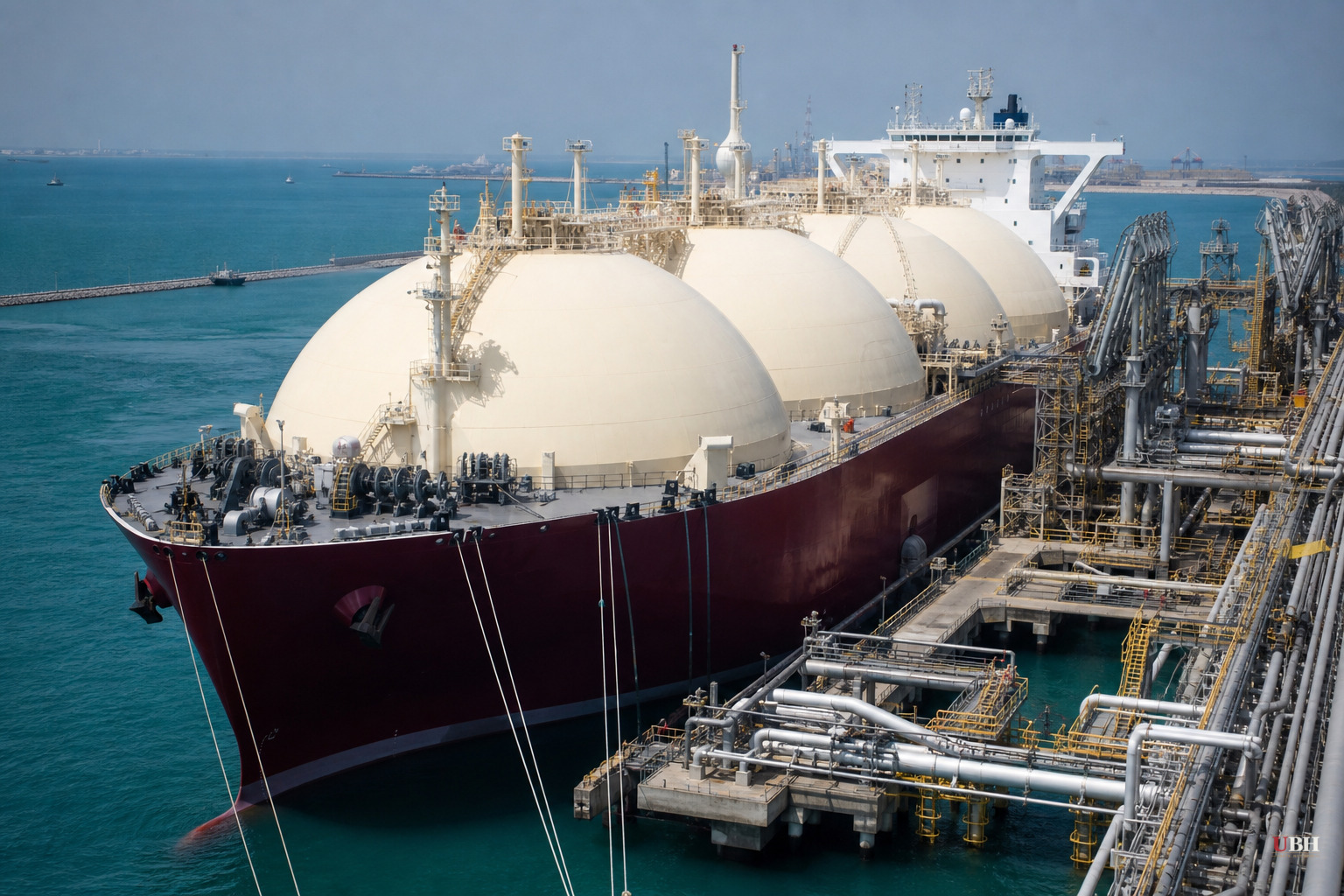
Since QatarEnergy first declared force majeure on LNG contracts with Italy, Belgium, South Korea and China, the disruption has now been extended through mid-October, according to Bloomberg News.
Trade sources told Reuters that QatarEnergy has extended force majeure on LNG supplies to several Asian buyers and continues to lease out some of its LNG tankers through the same mid-October window. That combination signals Doha expects the Strait of Hormuz mess to keep dragging into the fall. Chartering ships out while telling contracted buyers it can't deliver indicates the company is betting on extended disruption.
The Strait of Hormuz has been the choke point in this entire story. Qatar and the United Arab Emirates together supply about 20% of the world's LNG capacity, and nearly all of it has to move through that strait to reach global markets. With shipping severely disrupted there because of the ongoing US-Iran war, Qatar can't guarantee delivery schedules it locked in before the conflict started.
What buyers are actually asking for
Asian and European buyers aren't just annoyed about delays. Bloomberg reported they're pushing QatarEnergy and the UAE for lower prices and firmer supply guarantees, given that insurance costs on tankers moving through the Gulf have jumped and the risk profile for the whole region has changed.
If a buyer signed a long-term contract assuming normal insurance rates and predictable transit times, and now insurers are pricing in war risk for every tanker that passes through Hormuz, the buyer is footing a cost nobody priced in a year ago. Companies in Italy, Belgium, South Korea and China are the ones eating that gap right now, either through higher spot-market purchases or through their own increased insurance premiums on affected cargoes.
QatarEnergy hasn't made public comments beyond what's reflected in the force majeure filings themselves, and no source here indicates the company has detailed exactly what compensation, if any, it's offering the buyers stuck without guaranteed cargoes.
Chartering tankers out while stiffing contracted buyers
The detail QatarEnergy is leasing out its own LNG tankers during the same period it says it can't fulfill contracts raises questions about how the company is prioritizing which cargoes move and which don't. A tanker not carrying Qatar's own cargo could still be earning charter revenue elsewhere, but none of the reporting here spells out the exact allocation logic QatarEnergy is using.
Reuters' framing, picked up by EnergyNow.com, sticks close to the trade-source reporting: extension confirmed, tankers still being chartered out, disruption expected to persist as long as the strait remains effectively closed to normal traffic. Bloomberg's own reporting adds the buyer-side pressure for discounts and guarantees, framing this as a negotiation as much as a supply crisis.
The bigger picture for global gas markets
This extension matters beyond the four named buyer countries. When 20% of global LNG capacity operates under continued uncertainty, the ripple effects show up in spot prices everywhere, including markets that don't buy directly from Qatar. European utilities that thought they'd diversified away from Russian gas dependence are now watching a different chokepoint create the same kind of anxiety.
The mid-October deadline isn't a hard end date, it's QatarEnergy's own estimate based on current conditions. If the US-Iran war and Hormuz disruptions drag on past that, expect another extension announcement, following the same pattern as the original declaration and this one. Nothing in the current reporting suggests the underlying military conflict driving all of this is close to resolution, which means buyers in Seoul, Milan, Brussels and Beijing should plan for the possibility that mid-October isn't the actual finish line either.
Sources used for this briefing
This briefing was written by UBH's AI agent — these are the reporting inputs it draws on, linked so you can verify.


