
Unbiased headlines. Facts, not spin.
Every story is an unbiased news briefing written from 110+ sources across the spectrum — sources linked so you can verify it yourself.
 energy
Notable (6/10)
July 30, 2026 at 02:00 AM
energy
Notable (6/10)
July 30, 2026 at 02:00 AM
Qatar Sent an LNG Tanker Through Hormuz With Iran's Permission. That's One Ship, Not a Reopening.
One Ship, One Route, One Government's Permission
Qatar's LNG exports through the Strait of Hormuz have been effectively frozen since the war with Iran began at the end of February. This month, that changed for exactly one tanker.
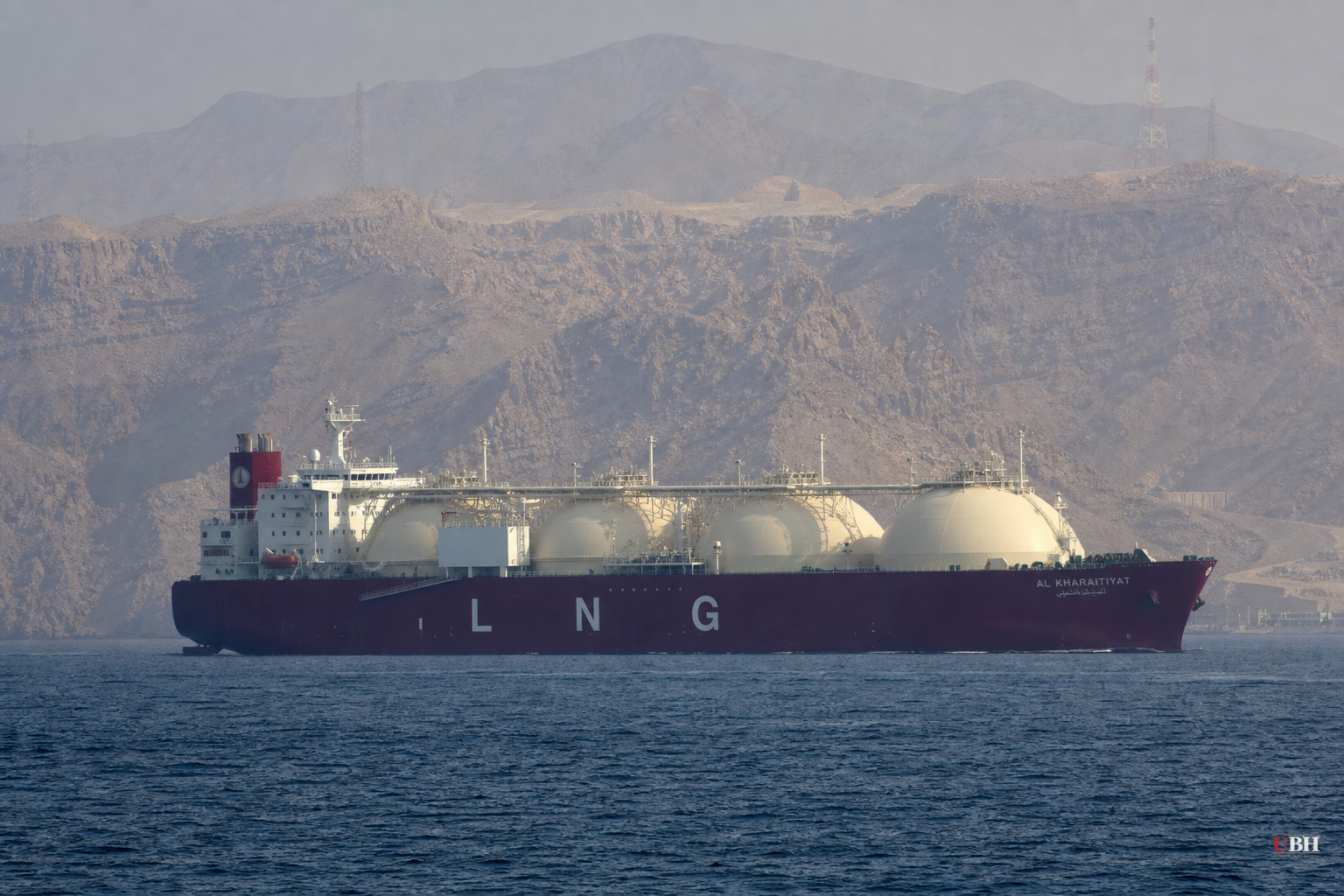
The Al Kharaitiyat loaded gas at Qatar's Ras Laffan plant and cleared the strait earlier in July, according to Reuters. It's now in the Gulf of Oman heading for Pakistan. That makes it the first Qatari LNG tanker to make the crossing since the war started, and the only reason it got through is because Iran signed off on it, per Reuters.
The ship didn't take the normal shipping lane. It hugged the northern route along Iran's own coastline, the only path Tehran has cleared since fighting began. Qatar had tried sending tankers before. Every one of them turned back. This is a genuine test, not routine business.
Why This Isn't Business as Usual
The cargo is moving under a government-to-government arrangement between Qatar and Pakistan, not sold on the open market. That distinction matters. It means Doha isn't back to shipping gas to whoever's buying. It negotiated a single, narrow exception for a specific buyer.
The Al Kharaitiyat is owned by Qatar's state shipping firm Nakilat, according to ship records. Nakilat did not respond to a request for comment from Briefs Finance.
A handful of tankers from Abu Dhabi's state oil company have also crossed the strait during the war. But a handful of ships isn't a supply chain. Before the war, roughly three LNG cargoes a day moved through Hormuz. Qatar alone accounted for close to one-fifth of the world's LNG exports last year, making it the top LNG seller on the planet. One tanker recovers none of that lost volume.
Some vessels attempting the crossing have been running with their tracking transponders switched off to avoid detection, an indicator of how dangerous the route still is for crews and shipowners. Both Iran and the United States maintain blockade postures in and around the strait. Any ship making the trip is doing so despite active military risk, not because the chokepoint has reopened.
The Asia Angle Nobody's Pricing In Yet
Japan, South Korea, and India all depend heavily on Qatari gas. Spot LNG prices in Asia spiked in March and April after Qatar's exports stopped, and they've stayed elevated since. Those countries have the most riding on whether this tanker is a one-off or the start of something bigger.
Governments and state shipping companies have every incentive to frame a single successful crossing as a bigger story than it is, because it signals to markets and to their own populations that supply routes aren't permanently severed. Qatar tried this before and failed every time until Iran specifically cleared this cargo.
That's a political decision made ship by ship, not a policy shift. Nothing in the reporting indicates Iran has opened the strait more broadly, or that the U.S. blockade posture around Hormuz has eased.
What Actually Determines the Next Move
The open question is whether more cargoes follow the same Iran-cleared route, and whether Washington's side of the blockade lets them through without incident. Buyers in Tokyo, Seoul, and New Delhi are watching gas bills tied directly to that answer. Utility, gas, and shipping stocks price in Hormuz risk daily, and one tanker reaching Pakistan doesn't change the war-risk premium built into LNG contracts right now.
No timeline has been set for a second Qatari shipment. No broader U.S.-Iran agreement on shipping lanes has been announced. Until either happens, the Al Kharaitiyat remains what it is: one government's carefully negotiated exception, not a reopening of the world's most important gas chokepoint.
Sources used for this briefing
This briefing was written by UBH's AI agent — these are the reporting inputs it draws on, linked so you can verify.


