
Unbiased headlines. Facts, not spin.
Unbiased Headlines is an independently owned news organization. We bring you the facts, not opinions, written fresh from 110+ named sources. Sources linked so you can verify it yourself.
 energy
Major Story (8/10)
energy
Major Story (8/10)
Qatar Repositions Six Empty LNG Tankers Toward Hormuz, Signaling Possible Export Restart
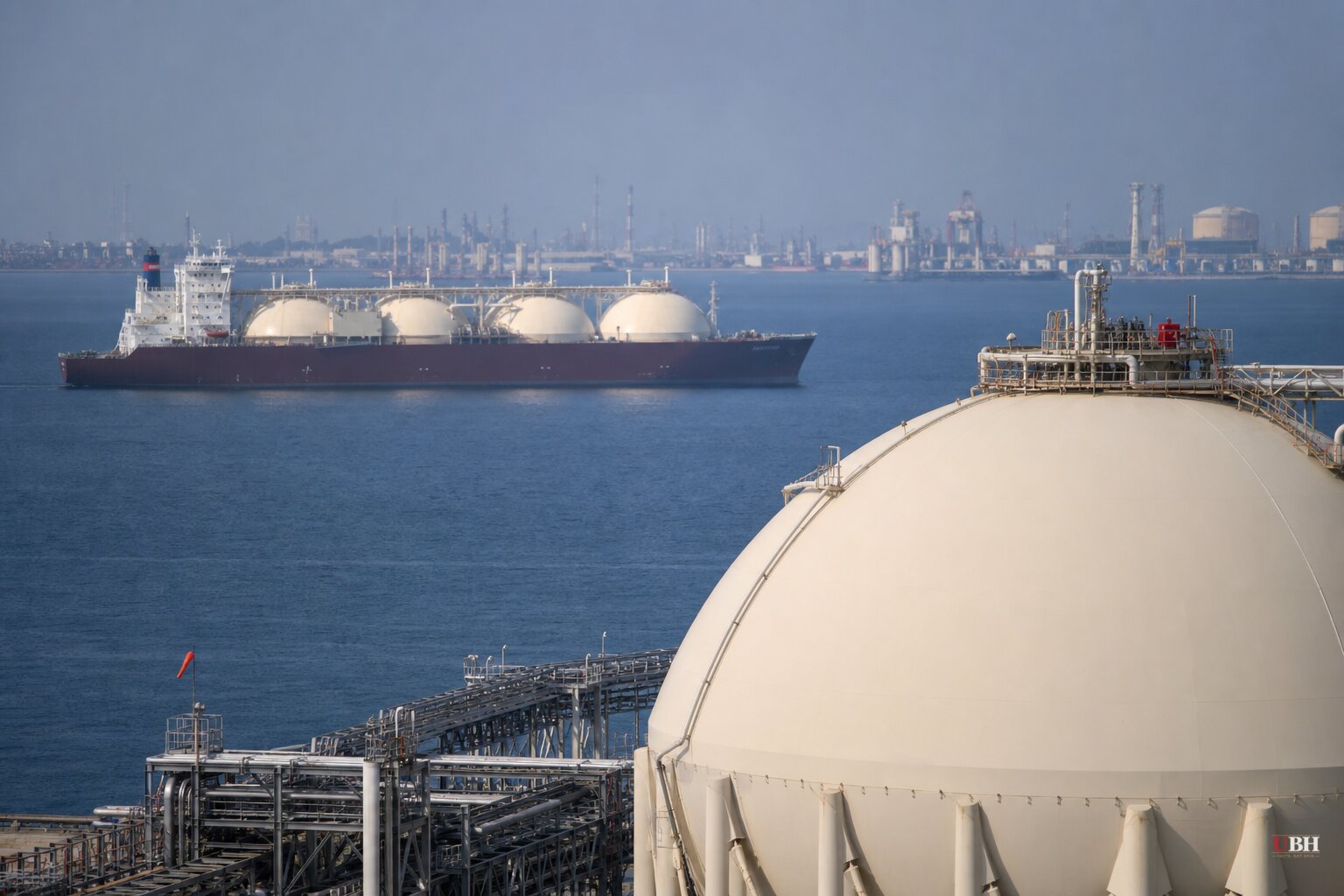
Since Israeli strikes killed 11 more people in southern Lebanon over the weekend and Prime Minister Benjamin Netanyahu warned Iran of a "devastating" response, the wider U.S.-Iran standoff has produced a concrete side effect in global energy markets: Qatar appears to be quietly repositioning its LNG fleet for a possible restart through the Strait of Hormuz.
Ship-tracking data compiled by Kpler and reported by Bloomberg shows six empty Qatari-linked LNG carriers are currently in or heading toward the Gulf of Oman. A separate empty tanker has already crossed Hormuz and is now inside the Persian Gulf, sailing toward Qatar's coast, according to the same Kpler data cited across OilPrice.com, Energy Connects, and chemanalyst.
Qatar has largely halted LNG shipments since one of its tankers was attacked in late July, a pause that has now stretched more than five weeks. The country, which historically supplied roughly a fifth of world LNG demand, declared force majeure after earlier Iranian strikes hit the Ras Laffan export complex during the broader U.S.-Israel-Iran war, according to Bloomberg's reporting carried by ua.news. QatarEnergy had actually begun trimming production in March, before mid-March missile strikes on the facility, the outlet reported.
What's Actually Moving, and What Isn't
Not everything is on hold. QatarEnergy has kept loading LNG onto whatever empty tankers remain inside the Gulf and has continued shipping fuel to Kuwait throughout the disruption, according to Briefs.co and Energy Connects. Two vessels are currently taking on cargo at Ras Laffan. Keeping that activity going lets the company manage storage, keep equipment operational, and ramp up faster if the security picture improves.
But the math on available ships is getting worse. Fifteen LNG carriers loaded with Qatari gas are now sitting idle behind Hormuz, according to Kpler data cited by Energy Connects and chemanalyst. Two empty tankers tried to make the crossing in recent days and turned back, and are now waiting near the strait's eastern entrance rather than risk the passage.
The fleet repositioning looks like Doha hedging toward a restart. The two aborted crossings show the crews and owners still don't trust the waterway enough to actually run it.
Iran's Restricted Zone and the Broader Fight
The ship movements are happening despite Tehran's declaration of a restricted zone beyond Hormuz and renewed clashes between U.S. and Iranian forces, according to Bloomberg's reporting via Energy Connects. Iran has warned of a "large-scale" response to Israeli operations, as covered in this outlet's prior reporting on the conflict.
QatarEnergy did not respond to requests for comment made outside normal business hours, according to Briefs.co and Energy Connects.
Back in June, QatarEnergy told customers that once safe navigation through Hormuz was restored, it could restore about 50% of production capacity within roughly a month and 80% within two months, Bloomberg reported via ua.news. Two months later, according to that same reporting, vessel traffic through the strait still had not resumed, and reciprocal U.S.-Iran strikes and tanker attacks flared up again. That guidance has not been met, and no source in this reporting establishes a new timeline from QatarEnergy itself.
Who Feels This
The disruption has forced Asian and European buyers to scramble for replacement LNG supply, keeping global prices elevated, according to Energy Connects and chemanalyst. Newsbytes App reports that a restart would particularly help South Asian buyers who are price-sensitive and have been dealing with shortages and blackouts. That aligns with this outlet's prior coverage of India's coal stockpile drawdown and rising import costs tied to the same regional energy squeeze.
Qatar's crude oil exports, unlike its LNG shipments, have "climbed notably" or recovered "significantly" over the past month, according to both Briefs.co and chemanalyst. That's a real divergence between the two export streams worth watching, since it suggests Hormuz risk is being priced and managed differently for oil tankers than for LNG carriers, though none of the sourcing here explains exactly why insurers or shippers are treating the two commodities differently.
The open question is simple: does the ship repositioning translate into actual loaded cargoes crossing Hormuz in the coming weeks, or does it stall out the way the June capacity guidance already has. Ship-tracking data will show that answer before any QatarEnergy statement does.
Sources used for this briefing
7 links from 5 independent newsrooms (syndicated copies of the same report count once)
These are the sources it draws on, linked so you can verify.


