
Unbiased headlines. Facts, not spin.
Unbiased Headlines is an independently owned news organization. We bring you the facts, not opinions, written fresh from 110+ named sources. Sources linked so you can verify it yourself.
 defense
Major Story (8/10)
Event date: September 7, 2026 ·
defense
Major Story (8/10)
Event date: September 7, 2026 ·
Qatar and UAE Say Gulf Security Can't Rely on US Alone as Iran War Drags Into Seventh Month
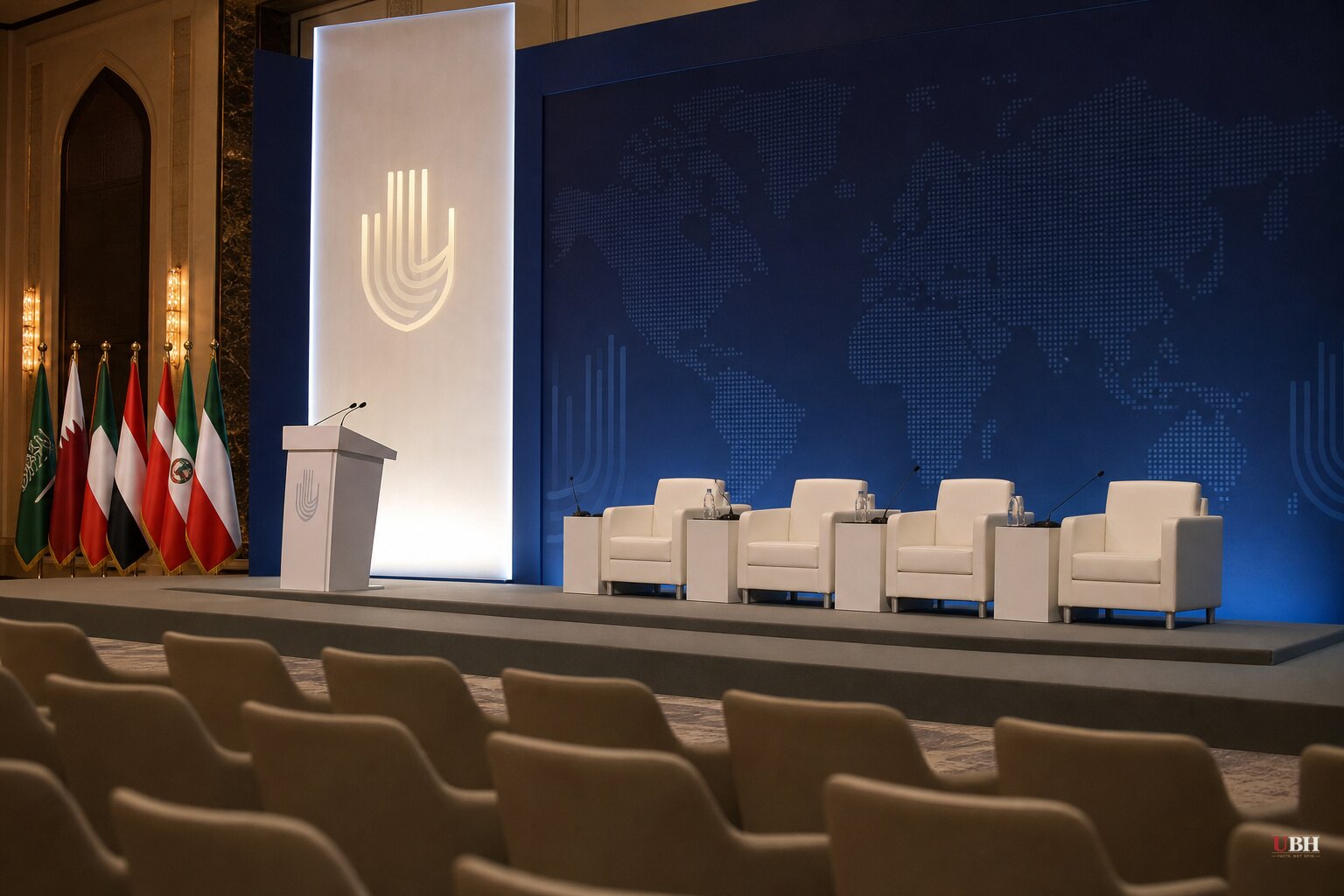
Qatar and the UAE delivered a blunt message at the Hili Forum in Abu Dhabi on Monday, September 7: the US security umbrella over the Gulf isn't sufficient anymore, and regional states need to build their own defenses.
"We need to realise in the Gulf that having international forces in the region, having a strategic alliance with the US, is very important, but is not enough," Qatar's foreign ministry spokesperson Dr. Majed Al Ansari told the forum, according to Euronews and Arab News Pakistan. "Self-sufficiency when it comes to security is the only way forward."
UAE presidential diplomatic adviser Anwar Gargash echoed the point, telling the same forum that Abu Dhabi is actively hedging. "Our energy exports will not be held hostage, nor will our trade and economic activity," Gargash said, according to Business Recorder. He said the UAE is expanding port capacity on its eastern coast and building pipelines, railways and trade corridors to route around chokepoints Iran can threaten.
The remarks land seven months into a conflict that began with US and Israeli strikes on Iran on February 28, according to Business Recorder. A ceasefire reached in June collapsed, and negotiations mediated by Qatar and Pakistan have stalled, largely over the status of the Strait of Hormuz. Iran has argued the waterway belongs to Iran and Oman, a claim Gulf states reject. "Freedom of navigation is not a concession to be granted, nor a principle to be renegotiated under pressure," Gargash said.
Gargash also described Iran's strikes on Gulf states that were not party to the initial US-Israel action as deliberate escalation, not retaliation in the moment. "It was a premeditated war of choice waged against its neighbors in direct violation of international law," he said, per Euronews. He was equally pointed about the Gulf's own coordination failures, saying regional states have not translated shared concerns into a unified strategy.
The human and economic toll behind this rhetoric is documented in State Department travel advisories updated in late August. Kuwait, Saudi Arabia and the UAE all sit at "Level 3: Reconsider Travel," according to the Epoch Times. Kuwait International Airport was hit by drones in June, killing at least one person and halting commercial flights. Iranian strikes damaged Kuwaiti power stations and desalination plants in July. The advisories warn Americans in Saudi Arabia and the UAE to avoid areas near energy infrastructure and military bases because of the risk from intercepted drones and missiles, including falling debris.
Gulf states aren't just talking about self-reliance, they're already building alternatives to it. Saudi Arabia, Turkey and Pakistan have formed the Mecca Joint Defence Agreement, a collective deterrence pact, according to The Media Line. Qatar, meanwhile, is playing both sides of the ledger: hosting Al Udeid Air Base, the largest US military facility in the Middle East, while also sending Prime Minister Sheikh Mohammed bin Abdulrahman Al Thani to Tehran last month to pursue mediation, including talks on a maritime corridor with Iran and Oman to bypass shipping blockades.
The strongest case for staying close to Washington is the one CENTCOM itself has made. U.S. Central Command commander Adm. Brad Cooper said American forces cleared sea mines from the Strait of Hormuz's international shipping lanes and have assisted roughly 1,500 commercial vessels carrying close to 750 million barrels of crude oil, according to Fox News. This represents a significant contribution to keeping Gulf economies running, and it is the kind of large-scale naval protection no single Gulf state can replicate on its own in the near term.
At the same time, the war has produced messaging that doesn't always match the battlefield. Breitbart reported that President Trump posted an AI-generated video depicting Iran's Kharg Island oil terminal "blown to smithereens," but no strike on Kharg Island was confirmed. Hamid Bovard, head of Iran's state-run National Iranian Oil Company, called the video "laughable" and said the facility remains operational. The actual U.S. strikes that day, according to CENTCOM spokesman Capt. Tim Hawkins, hit Iranian missile launchers on Larak Island, hundreds of miles from Kharg. For outside observers and possibly Gulf officials too, it becomes difficult to separate confirmed military outcomes from information warfare in a conflict this opaque.
What remains unresolved is whether Gulf self-sufficiency is achievable on any near-term timeline. Gargash himself said rebuilding trust with Iran, let alone functional security independence from the U.S. Fifth Fleet and CENTCOM, could take far longer than rebuilding a working relationship. "Trust is the mountain we will have to climb," he said. No date has been set for the next round of Hormuz negotiations, and Iran's position on the strait's legal status has not changed.
Sources used for this briefing
7 links from 7 independent newsrooms (syndicated copies of the same report count once)
These are the sources it draws on, linked so you can verify.


