
Original briefings. Zero spin.
Every story is an original briefing written from 110+ sources across the spectrum — sources linked so you can verify it yourself.
 defense
Major Story (8/10)
August 25, 2026 at 03:19 PM
defense
Major Story (8/10)
August 25, 2026 at 03:19 PM
Putin Signs Decree Letting Russia Seize Businesses That Don't Rebuild Fast Enough After Drone Strikes
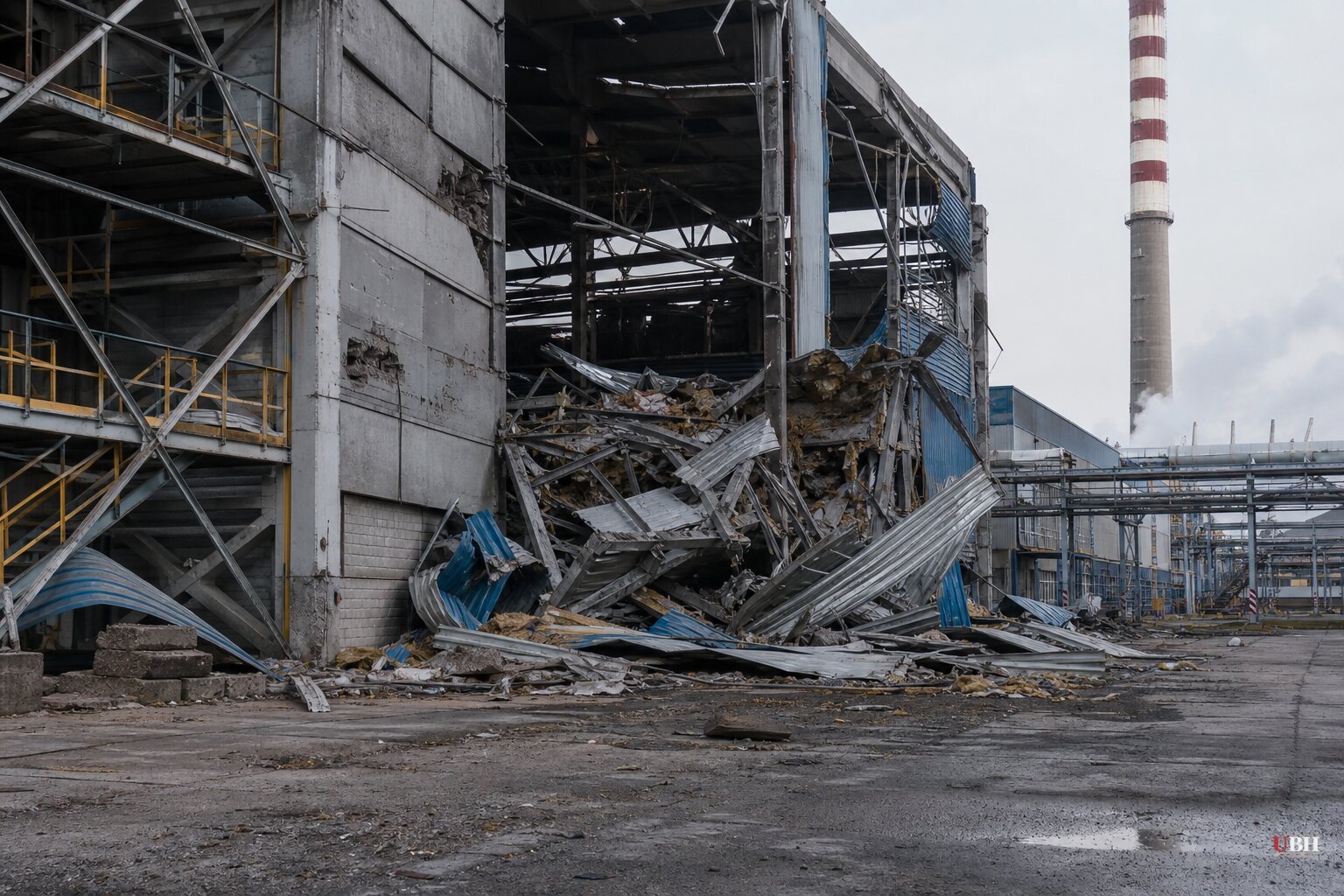
Vladimir Putin signed a decree Monday, August 24, giving the Russian state power to seize temporary control of any "critical infrastructure facility" whose private owners fail to defend it from drone attacks or rebuild it fast enough after one hits, according to the Associated Press and the independent outlet Meduza.
The decree's language is broad by design. It covers fuel and energy sites, industrial plants, communications infrastructure, utilities, transport, and logistics hubs, plus a catch-all category for "other facilities of especially high importance to Russia's security and economic stability," per the decree text reported by RBC Ukraine and Meduza. Under the order, Rosimushchestvo, Russia's federal property management agency, or another government-designated entity, becomes the temporary administrator. That administrator gets rights to the owner's real estate, securities, and other property. Upkeep gets funded from revenue the seized asset generates.
The decree took effect immediately, according to Meduza.
The Kremlin's story: this isn't nationalization
Kremlin spokesman Dmitry Peskov told reporters Tuesday that "often business owners do not pay enough attention to taking measures to ensure safety, anti-drone safety," adding that "we must take measures, we must ensure our own safety."
Deputy Prime Minister Denis Manturov went further, stating the decree "doesn't imply the nationalization of companies or a change of ownership," only "involvement of the state in the management of an enterprise to solve specific security problems." He said use would be targeted, not widespread, with decisions made "at the highest level."
Refinery owners facing repeat drone strikes have a real financial dilemma. Abbas Gallyamov, a Russian political analyst and former Putin speechwriter, laid it out on Telegram: "Given the fact that the same refinery has already been hit three to five times, it's safe to assume that the owners are now reluctant to invest in restoring what's been destroyed. Why spend billions if they're going to get hit again tomorrow?" Gallyamov called the decree an ultimatum: fund the rebuild yourself, or the state takes it.
What ISW says it actually looks like
The Institute for the Study of War reads it differently. In its August 24 assessment, ISW wrote that Putin "is setting conditions for the widespread nationalization of Russian private assets under the broad pretext of defending critical enterprises against Ukrainian strikes, likely in part to generate additional state revenues." ISW's read is blunt: the decree's definition of "critical infrastructure" is so broad it "essentially allows the Kremlin to seize any enterprise of its choice, leaving almost all privately owned businesses exposed."
A refinery owner who's genuinely stopped investing in reconstruction gives the state a plausible trigger. But a decree written broadly enough to cover fuel, energy, industry, communications, transport, and an open-ended "other" category is also a tool the Kremlin can point at almost anyone it wants, whenever it wants. Manturov's own promise that use will be "targeted" and decided "at the highest level" is itself an admission that this runs through Kremlin discretion, not a fixed legal standard.
Ukraine's drone campaign
Ukraine's drone strikes are the direct cause cited by every source here. Ukraine's General Staff said its forces hit the Afipsky oil refinery in Krasnodar overnight into Tuesday, sparking a fire confirmed by Krasnodar Gov. Veniamin Kondratyev. A separate strike hit the Novoshakhtinsk refinery in Rostov Oblast, halting operations, according to Rostov Gov. Yuri Slyusar. The Toronto Star reported this was the eighth strike on Afipsky in a year and the fourth on Novoshakhtinsk, citing Ukraine's General Staff data.
ISW's August 24 assessment also documents Ukraine expanding its logistics-hub campaign beyond Wildberries, which it's been hitting since roughly July 17, to now include Ozon warehouses in Dagestan, Stavropol Krai, and Adygea. Ozon's press service confirmed fires at facilities in Dagestan and Krasnodar Krai. RBC Ukraine reported Ozon's stock fell sharply after the strikes and noted the company had quietly removed 56 warehouse addresses from its public directory roughly 20 days before the first strikes hit its logistics centers, a detail that raises its own questions about what Ozon knew was coming.
An unresolved question
Nobody outside the Kremlin knows yet how many facilities will actually be seized under this decree, or how the government will define "failure to protect" in practice. Manturov's promise of restraint isn't enforceable by anything except Kremlin self-discipline. Given that Putin's government has spent the war raising taxes and expanding domestic borrowing to cover budget shortfalls, per the AP, whether this decree becomes a narrow repair-forcing tool or a revenue-generating nationalization mechanism will show up in which companies actually lose control of their assets in the coming months.
Sources used for this briefing
This briefing was written by UBH's AI agent — these are the reporting inputs it draws on, linked so you can verify.


