
Original briefings. Zero spin.
Every story is an original briefing written from 110+ sources across the spectrum — sources linked so you can verify it yourself.
 defense
Notable (5/10)
Event date: September 9, 2026
defense
Notable (5/10)
Event date: September 9, 2026
Public Sympathy for Confessed Killers Spreads Online, From Lindsay Clancy to Luigi Mangione
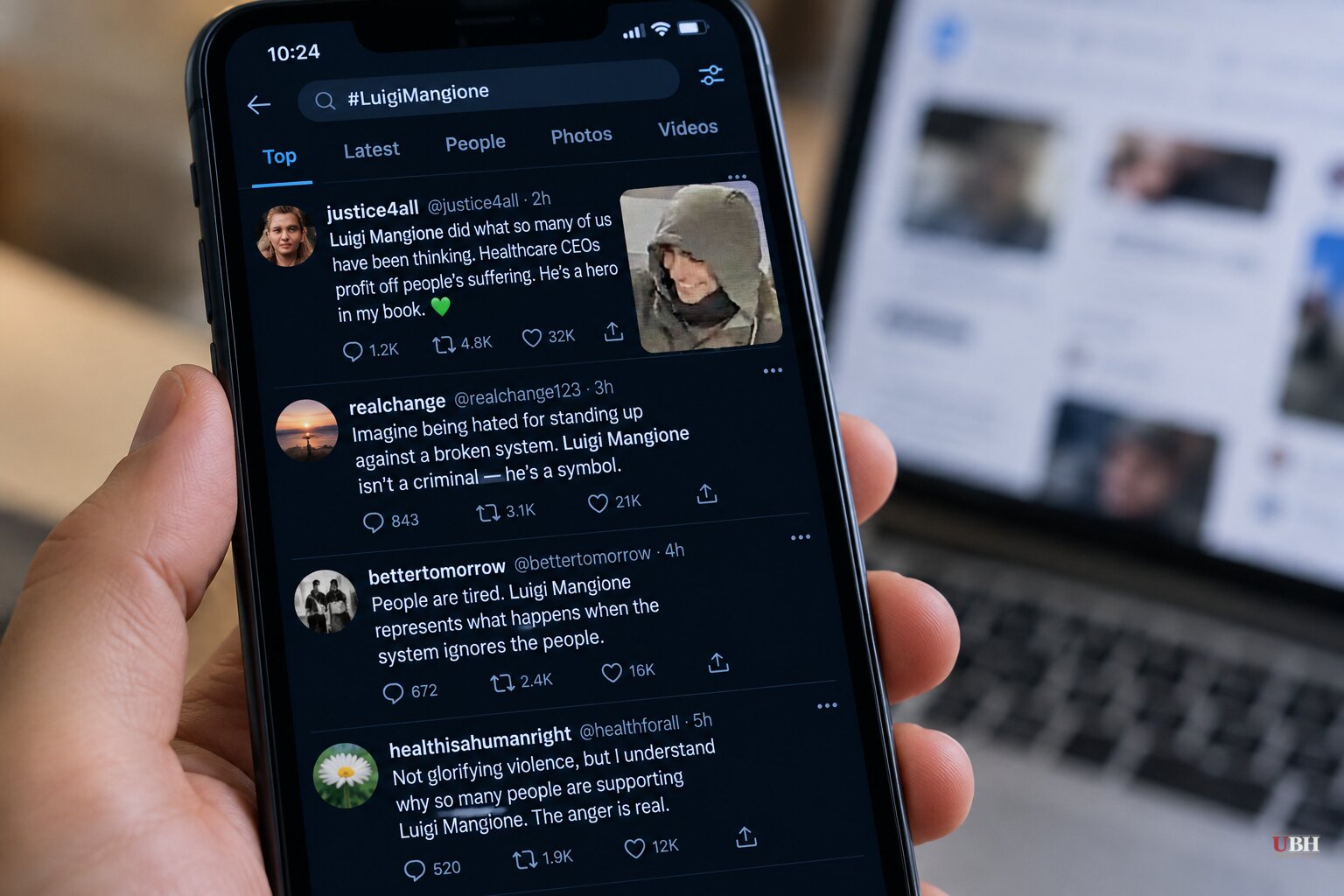
A trial in Massachusetts and a stabbing in Times Square have put an uncomfortable question in front of the country: why are some Americans cheering for killers instead of their victims.
Lindsay Clancy has admitted to killing her three young children. Her defense argues severe mental illness left her not criminally responsible, and her trial has drawn national attention. Columnist Caitlin Flanagan, writing about the case, noted the reaction has shifted over time: "What began as admirable compassion for a woman has turned into something strange: an almost exultant, fan-like celebration of Lindsay Clancy," she wrote, according to Daily Wire. Supporters have organized online groups and shown up outside the courthouse dressed in pink to cheer her on.
That distinction Flanagan draws matters. Compassion for a defendant with documented severe mental illness is not the same thing as celebrating the deaths of three children. Postpartum psychosis and related conditions are recognized in criminal law as grounds for an insanity defense in serious cases, and advocates for maternal mental health have long argued that severe untreated postpartum illness is a genuine medical crisis, not a moral failing. Whether that applies here is exactly what Clancy's trial is meant to determine, and no verdict has been reported.
Mangione, Robinson, and an Unproven Conspiracy
Luigi Mangione, 28, has been charged with shooting and killing UnitedHealthcare executive Brian Thompson and has pleaded not guilty to the charges, according to Daily Wire. Thompson left behind a wife and two young sons. Despite that, Mangione has drawn a large online following, including a website where supporters can send him letters and read his statements.
Tyler Robinson is described in the same reporting as the alleged killer of Charlie Kirk. Robinson has not been convicted of anything reported in these sources. Commentator Candace Owens has pushed rapid-fire theories about the case, and some online figures have tried to cast Robinson as a folk hero. There is no verified evidence presented in these sources to support turning an unresolved criminal case into a cult narrative, and treating an unproven allegation as settled fact before a trial is its own kind of distortion, regardless of which side is doing it.
A Bank Employee Killed in Times Square
On August 31, a woman armed with two knives attacked two people in Times Square. The attack killed Erin Piacenti, 32, a Bank of America employee who had recently returned from maternity leave, as she stood at a food cart, according to Daily Wire. Online reaction to her death included people celebrating it, reportedly because she worked for a bank, and one Hollywood director marked the killing with a meme referencing Mangione.
Celebrating the murder of a young mother who had just returned to work is not a defensible position by any political standard, left or right. There's no ideological framing, however sympathetic to grievances against banks or insurers, that turns a stabbing victim's death into a punchline.
What's Driving It
Daily Wire's explanation leans on sociologist Robert Bellah's concept of "expressive individualism": the idea that a person's authentic inner self is more real than their actions, so fans separate Clancy the "loving mother" from Clancy the woman who killed her children, and shift blame to family, institutions, or the health care system instead.
That's one lens. It doesn't fully explain why a UnitedHealthcare executive's killing generated a fan following distinct from sympathy for a mother's mental illness, or why an unproven suspect in a political assassination case has been turned into a meme before any trial has occurred. The common thread across all three cases is a willingness among a vocal online minority to substitute grievance, ideology, or perceived victimhood for basic moral clarity about who actually died.
The unresolved matter closest to a real-world consequence is Clancy's trial itself, where a jury will eventually decide whether her mental state meets the legal bar for an insanity defense. No verdict has been reported. Robinson's case likewise has not gone to trial, and Mangione has pleaded not guilty ahead of his own proceedings. Until then, the online fandoms attached to all three cases remain ahead of the facts the courts have yet to establish.
Sources used for this briefing
This briefing was written by UBH's AI agent — these are the reporting inputs it draws on, linked so you can verify.


