
Unbiased headlines. Facts, not spin.
Unbiased Headlines is an independently owned news organization. We bring you the facts, not opinions, written fresh from 110+ named sources. Sources linked so you can verify it yourself.
 health
Major Story (7/10)
Event date: October 24, 2026 ·
Proposed 2030 Census Rule Would Drop Many Noncitizens From the Count and Ban Race Questions. Comments Due Nov. 2
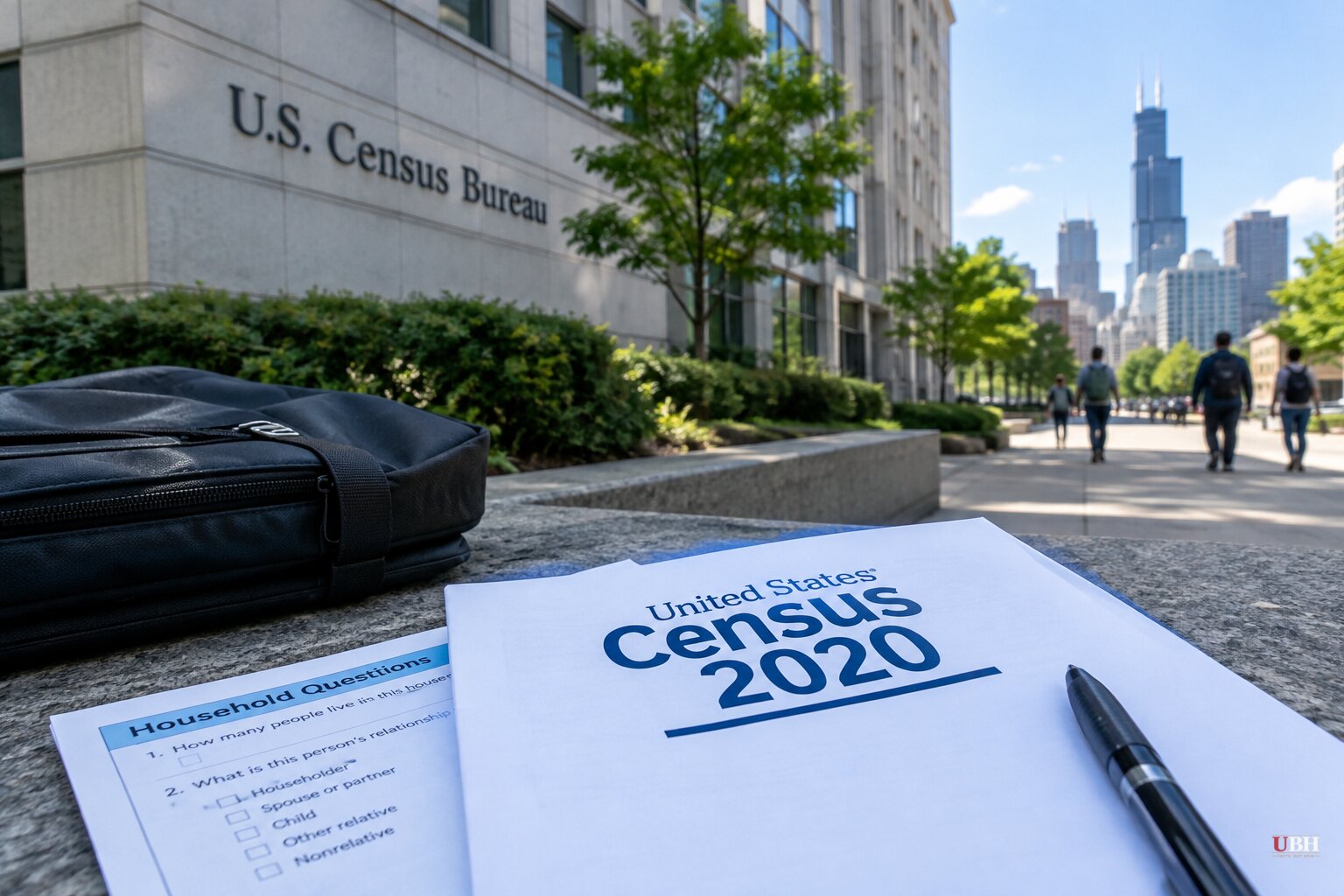
On Sept. 10, the Census Bureau, part of the Commerce Department, published a proposed rule in the Federal Register for the 2030 Decennial Census. It is titled "Decennial Census of the Population of Americans; Proposed Residence Criteria and Proposed Regulations for Demographic Questions."
It is a proposal. Nothing is final. The public comment period closes Nov. 2.
What the proposal does
The notice makes three major changes, according to its published text as described by Harvard epidemiologist Nancy Krieger and the Health Foundation for Western & Central New York.
First, the population count would be limited to U.S. citizens and lawful permanent residents. International students, work-visa holders, refugees, asylees and undocumented immigrants would fall outside it. A public health physician writing in MedPage Today notes the Census has never counted tourists or temporary visitors, but says the new rule would also exclude long-term residents.
Second, "usual residence" would be redefined. Instead of where a person usually lives on Census Day, April 1, people would be counted where they lived the most between Jan. 3 and April 1, tied to the address on tax records. Krieger writes that college students would likely be counted at their parents' address and seasonal "snowbirds" in their winter states. The MedPage author adds that heavy reliance on tax records could miss many people.
Third, the questionnaire would drop questions on race, ethnicity and sexual orientation. Race has been asked about since the first census in 1790, Krieger notes.
The comment window was originally 33 days, with comments due Oct. 13. It was extended to Nov. 2 after public pushback, Krieger writes.
The public health argument
Former health officials are leading the opposition. Dr. Julie Morita, who ran Chicago's health department in 2015, and Dr. Richard Besser, who was acting CDC director during the 2009 H1N1 pandemic, wrote in TIME that census data underpins disease response.
Their Chicago example: three cases of invasive meningococcal disease in 2015. Census population and demographic data showed Black men who have sex with men were disproportionately affected. The department surged thousands of free vaccines into those neighborhoods. The outbreak ended with 11 cases and one death.
In 2009, Besser says, CDC used census data to calculate infection rates by age. That showed children and young adults getting sick at far higher rates than older adults, and shaped who got the vaccine first.
The core claim is simple. Disease rates are cases divided by population. Krieger argues that if the denominator shrinks while cases stay constant, reported rates rise. She predicts a jump in U.S. mortality and morbidity rates in 2030, concentrated among college-age people, retirement-age people, people of color and immigrants. That is her projection, not an established outcome.
The Health Foundation for Western & Central New York points to Erie County, where it says Black infants die at 13.2 per 1,000 live births, against a national rate of 5.5. It says Black women are about three times more likely than white women to die from pregnancy-related causes, even after accounting for income and education. Without race data, the foundation says, such gaps are harder to identify and address. Krieger's version: "Erasing data does not erase need or harm."
Money and representation
The MedPage author says hundreds of billions of dollars in federal health spending runs through census-derived formulas, including Medicaid, the Children's Health Insurance Program, community health center grants and emergency preparedness funds. Morita and Besser put the figure at trillions across hundreds of programs, including SNAP, WIC and Head Start.
The same author says major surveys, including the National Health and Nutrition Examination Survey, use Census Bureau population data to weight results from a few thousand participants to the whole country.
On representation, Morita and Besser call the exclusion of residents an "assault" on the Constitution. Krieger points to the 14th Amendment's command to count the "whole number of persons in each state." Those are the critics' readings. The proposal would change the count used for apportionment, the reassigning of congressional seats, according to the MedPage author.
What comes next
The Commerce Department has not finalized anything, and the Nov. 2 deadline is the next fixed date. The unresolved questions are whether the final rule keeps all three changes and whether the constitutional objections from Morita, Besser and Krieger end up in court before Census Day on April 1, 2030.
Sources used for this briefing
7 links from 6 independent newsrooms (syndicated copies of the same report count once)
These are the sources it draws on, linked so you can verify.


