
Unbiased headlines. Facts, not spin.
Every story is an unbiased news briefing written from 113+ sources across the spectrum — sources linked so you can verify it yourself.
 finance
Major Story (7/10)
Event date: September 18, 2026
finance
Major Story (7/10)
Event date: September 18, 2026
Private Equity's 'Zombie Fund' Pileup Hits a Record $349 Billion, as Buyout Firms Hold Assets for 15 Years Instead of 10
Since Apollo Global Management locked investors out of its $26 billion credit fund for a third straight quarter on September 22, the numbers behind the private equity industry's exit problem have kept piling up.
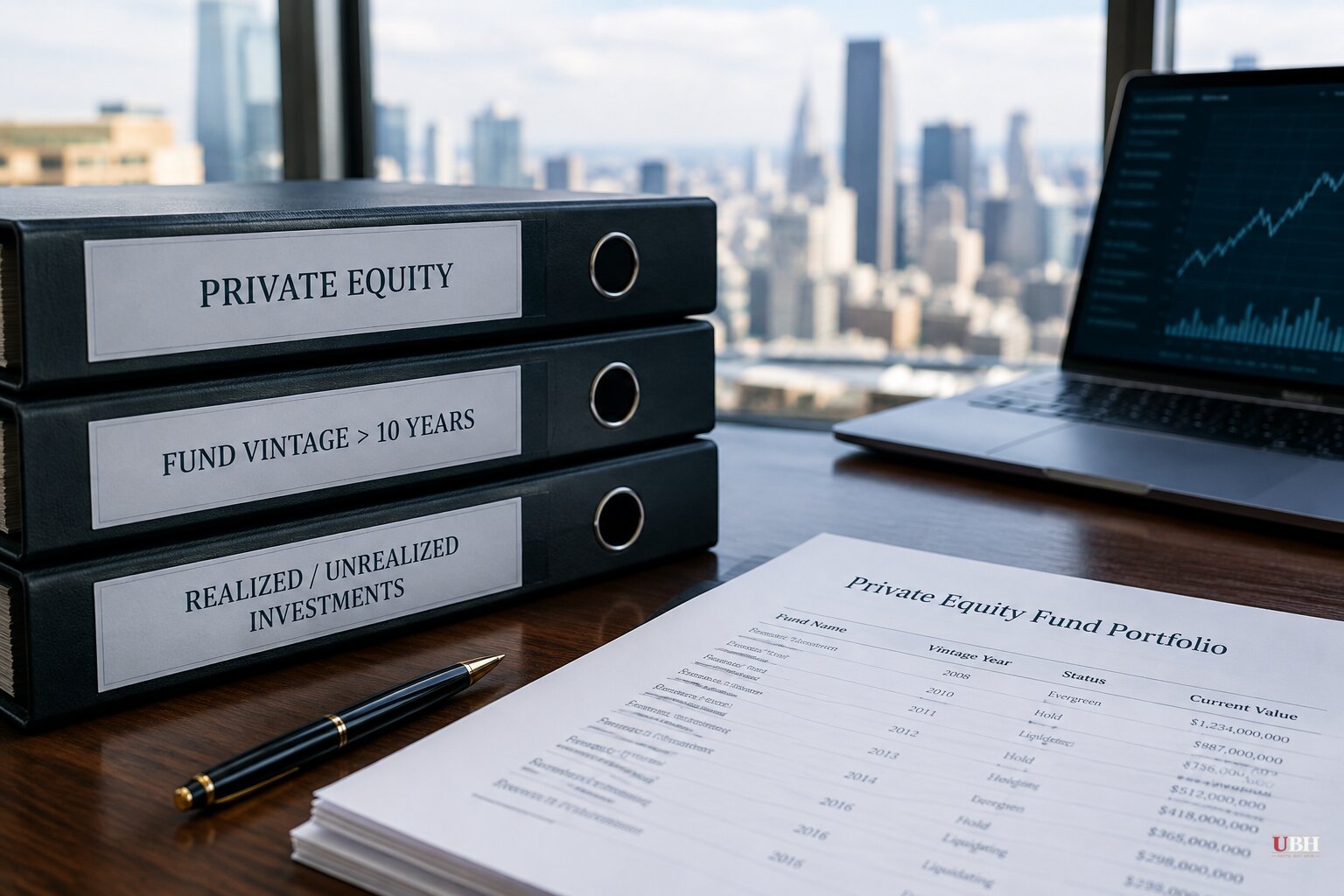
A record $349 billion is now sitting in so-called zombie funds, buyout vehicles that have exceeded their traditional 10-year lifespans without selling their remaining investments, according to PitchBook. Another roughly $500 billion sits in funds in their seventh to tenth year, at risk of joining that pile if deals don't close soon.
The returns tell the story of why. Average 2025 private equity returns came in around 7%, the weakest since 2011, according to PitchBook. Thoma Bravo lost $5 billion on its investment in Medallia. Clearlake Capital has seen multiple software loan valuations marked down more than 30%. Shares of Apollo, Blackstone and KKR fell this month, and Apollo co-president Scott Kleinman has acknowledged some fast-expanding managers will be forced to shrink.
The Auctions Nobody Shows Up To
In Switzerland, the retreat is visible in real time. Fedor Schulten, managing director at Goldman Sachs' Zurich investment bank, told the EuropaInstitut conference on September 22 that dropout rates in sell-side auctions have hit as high as 50%. Private equity's share of Swiss M&A deals has dropped below 20%, the second-lowest level in eight years.
Schulten's explanation is straightforward: when borrowing costs were near zero, PE firms could outbid corporate buyers by leaning on cheap debt. Now that leverage costs more, strategic buyers paying with cash or stock and able to extract synergies financial sponsors can't match are winning the bidding wars instead.
That picture sits uneasily next to a survey BDO released the same week. Polling 400 U.S. private equity fund managers and operating partners in May, BDO found 82% expect deal prices to rise because too much dry powder is chasing too few quality assets. "The private equity firms that will achieve success over the next few years will be the ones taking a proactive approach right now," said Patrick Donoghue, BDO's private equity national leader. The gap between a Swiss dealmaker describing firms walking away from auctions and a U.S. survey describing firms bracing for pricier deals suggests the squeeze looks different depending on geography and whether you're asking the buyer or the seller's banker.
Kronos Bought in 2007. Still Not Sold.
The clearest illustration of what's changed comes from Business Times Singapore's reporting on Hellman & Friedman and JMI Equity, which took HR software company Kronos private in 2007. Nineteen years and several fund vintages later, Hellman & Friedman still owns the business, now called UKG, with no sale or IPO in the works.
The median private equity fund now runs 15 years, up from the traditional 10, according to Todd Miller, global co-head of secondary advisory at Jefferies Financial Group. "It blows apart the entire economics of PE funds," said Hugh MacArthur, chairman of the global private equity practice at Bain & Co.
Kroll, which manages PE disputes and fund restructurings, found returns measured in multiples of investor contributions stagnate after eight years and then decline. "The data just doesn't support holding assets over extended periods," said Mitchell Mansfield, Kroll's managing director and global head of fund solutions. "After eight years, nothing good happens."
Firms defending longer hold periods argue they reflect prudent stewardship in a high-rate environment rather than manipulation, and that new structures like continuation funds give limited partners who want liquidity an exit while others who prefer to keep their stake can roll it forward. That's a genuine choice mechanism, not automatically a scheme to trap money.
But Sebastien Canderle, a private equity consultant writing for Naked Capitalism, argues the industry's fee structure removes the incentive to exit at all. Citing a CalPERS estimate that private equity fees run roughly 7% a year, and noting nearly two-thirds of fund income comes from fees collected regardless of performance, Canderle calls the arrangement a "heads I win, tails you lose" game for the fund managers, not the pensions and endowments footing the bill. That's Canderle's characterization as a critic of the industry, not a finding from a regulator or court, and no enforcement action has been announced against any of the firms named in these reports.
A Parallel Fight Over Thames Water
A related dynamic is playing out in Britain, where a cross-party group of MPs on the Efra committee, chaired by Alistair Carmichael, is pushing ministers to break off talks with the roughly 100 hedge funds and distressed-debt investors effectively running Thames Water, which carries £20 billion in debt.
Carmichael's committee wants emergency legislation letting the government take financial control of the utility, arguing the current special administration regime can't be triggered on performance grounds alone. "We do not believe this opaque consortium of 100 hedge funds and others has the interests of the public, the company or the environment at heart," Carmichael said, accusing the creditors of dragging out negotiations while collecting debt interest and seeking relief from pollution fines. Environment Secretary Steve Reed has said the law as written doesn't allow a straightforward takeover while the hedge funds keep the company technically operating.
Thames Water's creditors aren't buyout-fund managers holding equity, they're debt investors, a different corner of the same alternative-asset world. But the shape of the problem is the same one showing up in PitchBook's zombie-fund data and Jefferies' 15-year fund-life figures: capital that keeps collecting fees or interest while the underlying resolution, sale, or fix keeps getting pushed further out.
The Efra report leaves the government's next move unresolved. Ministers haven't said whether they'll pursue the special administration route or continue negotiating with the creditor group, and no timeline for a decision has been set.
Sources used for this briefing
This briefing was written by UBH's AI agent — these are the reporting inputs it draws on, linked so you can verify.


