
Unbiased headlines. Facts, not spin.
Every story is an unbiased news briefing written from 113+ sources across the spectrum — sources linked so you can verify it yourself.
 finance
Major Story (7/10)
September 23, 2026 at 01:57 AM
finance
Major Story (7/10)
September 23, 2026 at 01:57 AM
Apollo Locks Investors Out of $26 Billion Credit Fund for a Third Straight Quarter
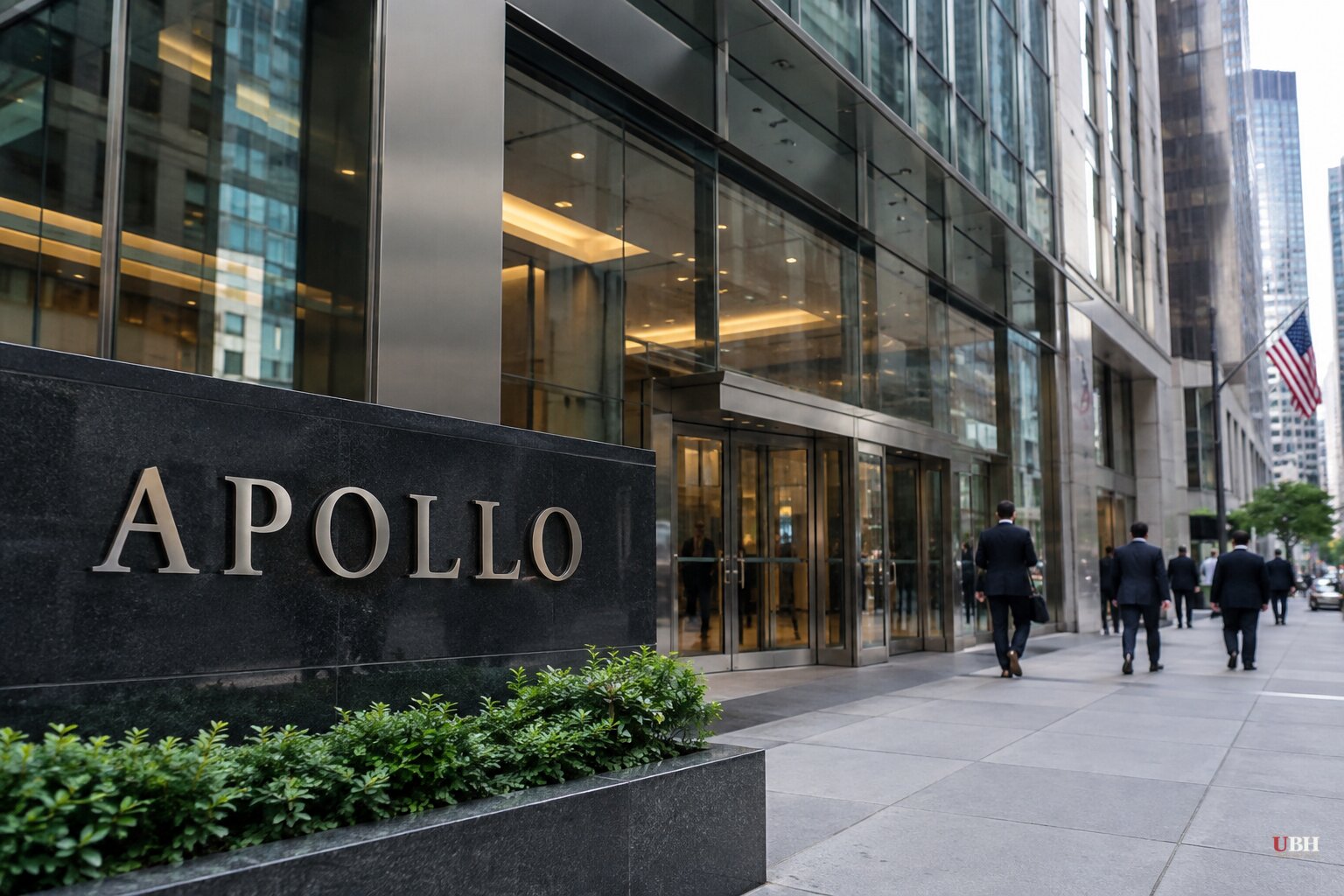
Since Morgan Stanley capped withdrawals at its $7 billion private credit fund for a third straight quarter on Sept. 19, the same squeeze has hit an even bigger player. Apollo Global Management told investors on Tuesday it will again cap redemptions at its Apollo Debt Solutions BDC, which holds roughly $26 billion in assets, according to a shareholder letter reviewed by Bloomberg.
This is the third consecutive quarter Apollo has done this. Investors asked to pull 14.7% of outstanding shares this time, down from 16.8% the quarter before, per a regulatory filing cited by Reuters and reported by Traders Union. Apollo is still only repurchasing 5% of shares, the standard cap for this type of fund. Demand to exit is running nearly three times what the fund is willing to hand back.
The numbers behind the freeze
Apollo says the fund pulled in about $200 million in new money this quarter, much of it dividends investors reinvested rather than cashed out. After paying roughly $700 million to buy back shares, the fund expects net outflows of about $500 million, or 3% of net asset value, according to Bloomberg and CNBC-TV18.
Apollo says most of the redemption requests aren't new. The fund told shareholders "the vast majority" of this quarter's requests are investors re-submitting orders that never got fully filled in prior quarters. After this round of buybacks, Apollo estimates investors who tried to redeem this year will have gotten back about 75% of what they asked for.
The fund has returned 8.2% annualized since it launched in 2022, Apollo says. That's a real number worth stating plainly.
Not just Apollo
BlackRock and Cliffwater are running the same playbook, capping withdrawals on their own private credit vehicles, according to Bloomberg. The broader direct lending market is roughly $1.8 trillion, and this year has brought what Bloomberg describes as a record rush by investors to get their cash out, driven by worries over loan quality and exposure to aging software-sector debt.
Apollo's own letter includes a line worth noting: "the choices managers made in more benign market conditions are beginning to show through in performance." In Wall Street-speak, that reads like an admission that loans made when money was cheap and underwriting was loose are now causing problems.
The fair case for Apollo's side
Apollo isn't hiding the ball here. The fund disclosed the cap, the redemption math, and the re-tendering pattern in a public shareholder letter, and it says it has "substantial sources of liquidity" and can "add leverage modestly when warranted" if it needs more cash to meet requests. The drop from 16.8% to 14.7% in redemption demand is a real, verifiable data point, and Apollo and its defenders can reasonably point to it as evidence the panic is cooling, not accelerating. An 8.2% annualized return since 2022 is also not nothing, and long-term investors who don't need to exit right now are still getting paid.
What's still unresolved
What Apollo hasn't explained in detail is which specific loans or sectors are driving the underperformance its own letter alludes to, or how much of the fund's book is tied to the "legacy software" exposure Bloomberg says is spooking the broader market. Apollo Debt Solutions BDC is structured as a non-traded, semi-liquid vehicle marketed partly to retail and high-net-worth investors as an alternative to public bonds. Those investors were told they'd have periodic access to their cash through quarterly tender offers. Three quarters running, most of them haven't gotten it.
The next test comes in Apollo's fourth-quarter letter, whenever the redemption tally lands. If demand keeps falling toward the 5% cap, that's a sign the industry's liquidity crunch is genuinely easing. If it holds near 15%, investors locked into these funds should expect the wait to continue.
Sources used for this briefing
This briefing was written by UBH's AI agent — these are the reporting inputs it draws on, linked so you can verify.


