
Unbiased headlines. Facts, not spin.
Unbiased Headlines is an independently owned news organization. We bring you the facts, not opinions, written fresh from 110+ named sources. Sources linked so you can verify it yourself.
 health
Notable (6/10)
health
Notable (6/10)
Prescription Drug Prices Post Biggest Annual Drop Since 1963
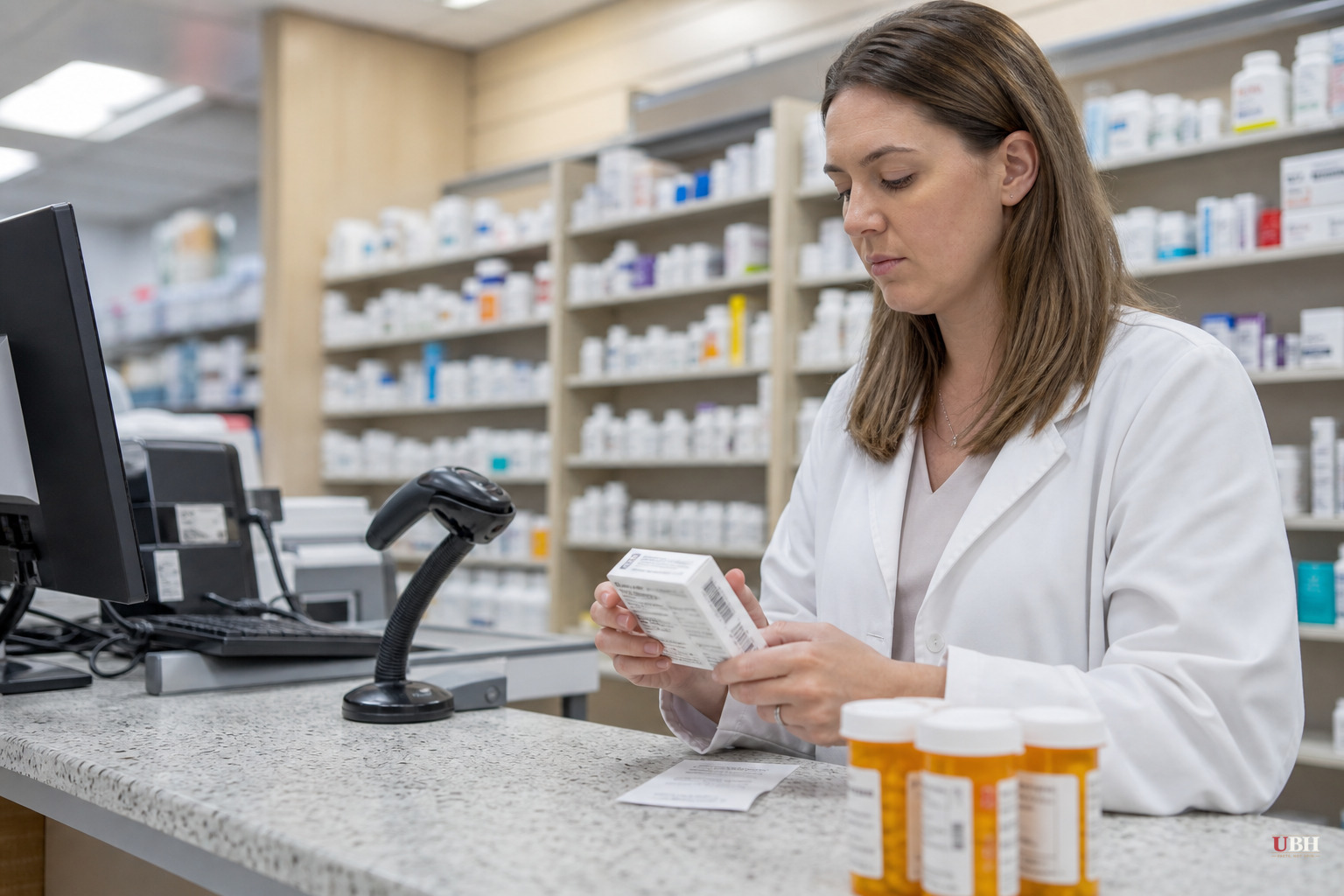
Prescription drug prices dropped 3.1% over the 12 months ending in July, according to inflation data the Bureau of Labor Statistics released Wednesday. That's the biggest annual decline since March 1963, as reported by The Washington Post.
Zoom out to the broader category of medicinal drugs, which includes both prescription and over-the-counter medications, and prices fell 2.7%. This is reportedly the largest drop on record for that category. Overall consumer prices rose 3.4% year over year. Drugs got cheaper while almost everything else got more expensive.
The White House wants credit. White House spokesman Kush Desai posted on X that President Trump's approach is delivering results. "From his Most-Favored-Nations deals to launching TrumpRx, President Trump is delivering real results," Desai wrote. "American patients are winning."
That's a message worth testing before the midterms in November, when affordability is sitting near the top of voter concerns. Trump has pushed drugmakers publicly to cut U.S. prices, rolled out a Most-Favored-Nations pricing push aimed at matching what other wealthy countries pay, and launched TrumpRx, a platform meant to give consumers direct access to lower-cost drugs.
Economists who study drug pricing say the causes are tangled, and the White House isn't the only actor in this story.
Richard Frank, a senior fellow at the Brookings Institution and professor emeritus of health economics at Harvard, told The Washington Post that Medicare's new price negotiation authority is likely the bigger driver. That authority came from the 2022 Inflation Reduction Act, signed under President Biden. "If I was a betting guy on what mattered most, it would be probably stuff around the Inflation Reduction Act," Frank said.
The mechanics matter. Negotiated Medicare prices for the first batch of 10 popular drugs took effect January 1, 2026. A second round covering 15 more drugs, including the blockbuster diabetes and weight-loss medications Ozempic and Wegovy, is scheduled to take effect in 2027. Part of what's showing up in this month's inflation data is a policy years in the making, not something that materialized this year.
The Post's reporting team, Steve Thompson, Federica Cocco and Christopher Rowland, also flagged other contributors: falling prices for GLP-1 weight-loss drugs as competition and manufacturing capacity increase, and a growing wave of generic drug entries pulling down average costs across the market. Neither of those is a Trump policy creation. Both reflect market dynamics that predate this administration and would likely be playing out regardless of who's in the White House.
Republicans pushing the Trump administration's TrumpRx and Most-Favored-Nations framework as the reason prices fell are skipping over the fact that the price data covers a period where the IRA's Medicare negotiation authority was already live and biting. Democrats crediting the IRA outright also have to reckon with the fact that GLP-1 competition and generics, market forces with no legislative fingerprint at all, are doing real work here too.
Nobody in this data set, including Frank, is claiming a single clean cause. Drug pricing is genuinely a multi-variable problem: patent cliffs, generic entry timing, negotiated Medicare rates, manufacturer competition in hot categories like weight-loss drugs, and yes, political pressure campaigns can all move the number at once.
What's not in dispute is the number itself. A 3.1% year-over-year drop in prescription drug prices, the steepest since 1963, according to BLS data as reported by The Washington Post. That's a real, measurable shift landing at a politically convenient moment for an administration heading into a midterm cycle where voters keep naming costs and affordability as their top concern.
The open question is durability. The second wave of Medicare-negotiated prices, covering Ozempic, Wegovy and 14 other drugs, doesn't kick in until 2027. Whether this July print marks the start of a sustained trend or a one-time statistical outlier tied to timing quirks in generic launches and GLP-1 competition won't be clear until several more months of BLS data come in.
Sources used for this briefing
1 link from 1 independent newsroom (syndicated copies of the same report count once)
These are the sources it draws on, linked so you can verify.


