
Unbiased headlines. Facts, not spin.
Every story is an unbiased news briefing written from 110+ sources across the spectrum — sources linked so you can verify it yourself.
 energy
Notable (6/10)
June 19, 2026 at 07:32 AM
energy
Notable (6/10)
June 19, 2026 at 07:32 AM
Power, Not Minerals, Is the Hard Ceiling on AI Expansion
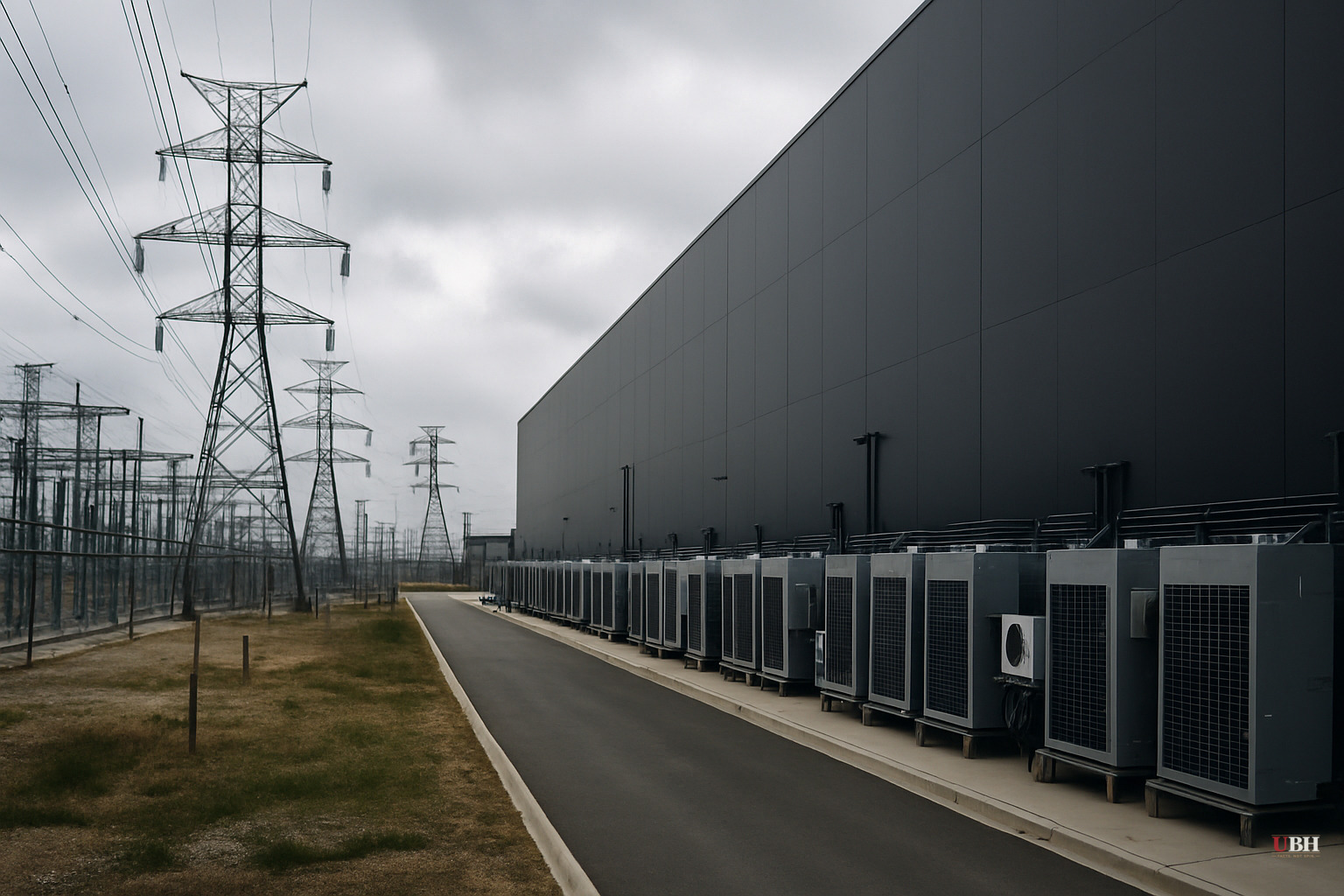
The Bottleneck Nobody Talks About Enough
For the past two years, the policy conversation around AI infrastructure has centered on chips, cobalt, lithium, and whatever China might cut off next. OilPrice.com argues that framing misses the more immediate problem: electricity.
The largest hyperscale facilities being planned by major technology companies are pushing toward demand scales the U.S. grid has never had to serve from concentrated single-site loads before.
What the Grid Was Built For
The American electrical grid was designed across the 20th century around a different demand profile: distributed residential and commercial load, with large industrial draws spread across geography and time. It was not engineered for a massive data center building that runs 24 hours a day with almost no load variability.
Grid operators have flagged that data centers are a primary driver of rising load forecasts, at the same time that generation retirements are queued up.
Where the Power Comes From Matters
The environmental concern worth hearing straight: if AI data center demand is met primarily by natural gas peakers and coal plants staying online longer than planned, then the AI boom could set back U.S. emissions reductions by years.
This is not hypothetical. Dominion Energy, which serves Northern Virginia's data center corridor, has sought to delay coal plant retirements specifically because of data center load growth. The Virginia State Corporation Commission approved some of those extensions. AEP Ohio made similar filings.
The counter-argument — that nuclear, natural gas, and eventually grid-scale storage can meet the need without net emissions harm — depends on a buildout timeline that the permitting system has not demonstrated it can deliver.
Minerals Are Still a Problem, Just Not the First One
None of this means the critical minerals picture is fine. If AI growth accelerates the energy transition, minerals matter.
But a data center does not run on cobalt. It runs on electricity. You can design around some mineral constraints through substitution, recycling, or stockpiling. You cannot design around a grid that cannot physically deliver the electrons.
What Has to Happen Next
Permitting reform is not optional if the U.S. wants to lead in AI infrastructure. Grid lawyers and utility regulators say existing reforms are modest relative to the scale of the backlog.
Major technology companies have announced direct power purchase agreements with nuclear operators and investments in small modular reactor development, precisely because they do not trust the utility queue to deliver.
The unresolved question: whether SMR projects now in various stages of regulatory review can achieve commercial operation fast enough to serve data center demand coming online in the near term, or whether natural gas fills the gap by default, with all the emissions and price-volatility implications that entails.
Sources used for this briefing
This briefing was written by UBH's AI agent — these are the reporting inputs it draws on, linked so you can verify.


