
Unbiased headlines. Facts, not spin.
Unbiased Headlines is an independently owned news organization. We bring you the facts, not opinions, written fresh from 110+ named sources. Sources linked so you can verify it yourself.
 health
Notable (5/10)
Politico Reporter's New Book Says Abortion Bans Are Reshaping Care Far Beyond Abortion
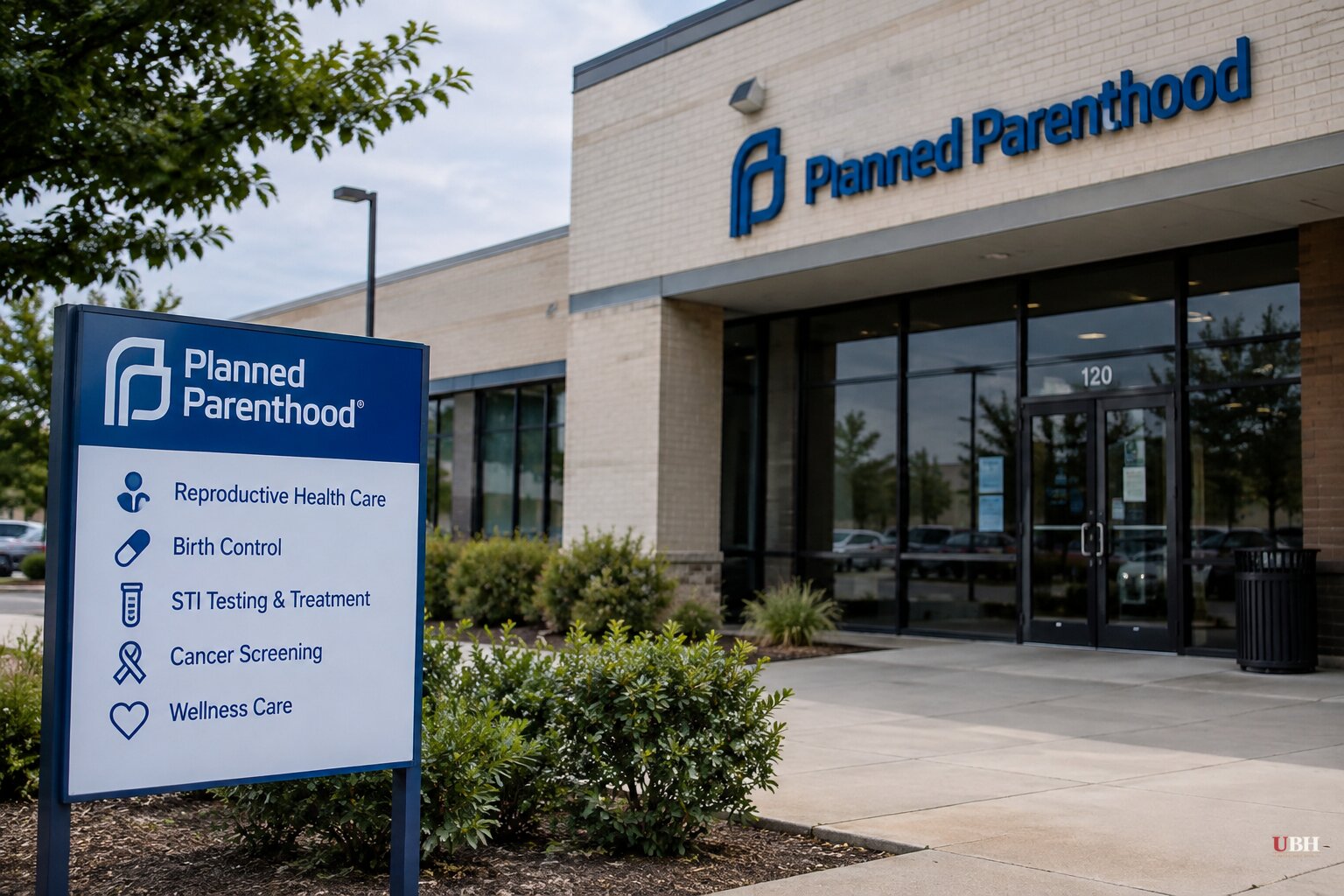
It has been more than four years since the Supreme Court overturned Roe v. Wade in Dobbs v. Jackson Women's Health Organization in 2022. A new book argues the fallout reaches well past abortion clinics.
The book is "Side Effects: How Abortion Bans Affect Everyone's Health," by Alice Miranda Ollstein, 38, who covers reproductive health for Politico. LA Times columnist Abcarian recently wrote about it, and the examples below come from that account of the book.
What the book says
Ollstein documents cases in which women miscarrying ended up waiting in parking lots. In those cases, doctors believed they had to wait until a woman's organs began to fail before they could legally intervene.
She also describes a pregnant woman with cancer who, according to the account, needed an abortion to begin chemotherapy and was denied proper care.
Pharmacies are another example. Per the book, some pharmacists have refused to fill prescriptions for lupus, arthritis or psoriasis. Those drugs might cause abortions in pregnant patients. The refusals reportedly extended to women of childbearing age who could not become pregnant, including women who had had hysterectomies.
Research is affected too. Ollstein reports that women of reproductive age are being left out of some medical studies because the treatments might harm a fetus. That applies even to women who are not pregnant and have no plans to be.
She also says work on Gulf War illness has been hampered. Veterans with chemical exposures suffer rashes, muscle pain and brain fog. Mifepristone is a promising treatment, but it is also used as an abortion drug.
Doctors, residents and veterans
The book also covers the medical workforce. Abcarian's account says doctors are choosing not to practice, and residents are refusing to train, in states with strict abortion laws. The examples named are Idaho, Kentucky and Tennessee.
Another example is military veterans. According to the book, they cannot obtain abortions through Veterans Affairs, even in cases of rape or to save the mother's life.
The account also says women are being forced to cross state lines for abortion care.
Ollstein's approach
Ollstein says she did not try to guess what the justices understood. "I wanted to focus on what the consequences have been, because that's not speculation," she told Abcarian on Wednesday. "We don't have to guess what's in somebody's mind and heart. We can see in hard data and people's real stories what the repercussions are. In one sense, it almost doesn't matter what the intent was. This is the result."
Abcarian's column is pointed opinion, not neutral summary. She calls the outcomes "grotesque" and the state laws "draconian."
She says she would like to send the book to the six justices who voted to overturn Roe. She singles out Justice Amy Coney Barrett, who asked during oral argument why women could not use safe haven laws if they did not want to raise a child. Those laws let a parent surrender a newborn at designated sites such as firehouses. Barrett's question went to whether the burden of unwanted parenthood could be avoided without abortion. Abcarian mocks it as "Just drop that newborn off at the local firehouse and go on your merry way!"
What the Dobbs ruling did and did not do
The decision did not itself ban anything. It ended the federal constitutional right and returned the question to the states. The laws that followed differ widely, and many of the book's examples involve how doctors, pharmacists and researchers read those laws. In the miscarriage cases, the account says doctors acted on what they "believed" the law required. That makes clarity of statutory language, and how well hospitals train staff on it, part of the dispute.
The individual stories are hard to measure from a column alone. Ollstein says her case rests on both data and personal accounts. The pharmacy refusals, the research exclusions and the physician shortages are the kinds of claims that can be tested against records, prescribing data and workforce numbers.
What comes next
The account does not report any response from legislators in Idaho, Kentucky or Tennessee to the training and staffing claims. It also does not say whether any of those states plan to revise their statutes to address the situations the book describes.
Sources used for this briefing
2 links from 2 independent newsrooms (syndicated copies of the same report count once)
These are the sources it draws on, linked so you can verify.


