
Unbiased headlines. Facts, not spin.
Unbiased Headlines is an independently owned news organization. We bring you the facts, not opinions, written fresh from 110+ named sources. Sources linked so you can verify it yourself.
 health
Major Story (7/10)
MSHA Silica Proposal Would End Quarterly Dust Testing and Fine Mines Only on Federal Inspection Results
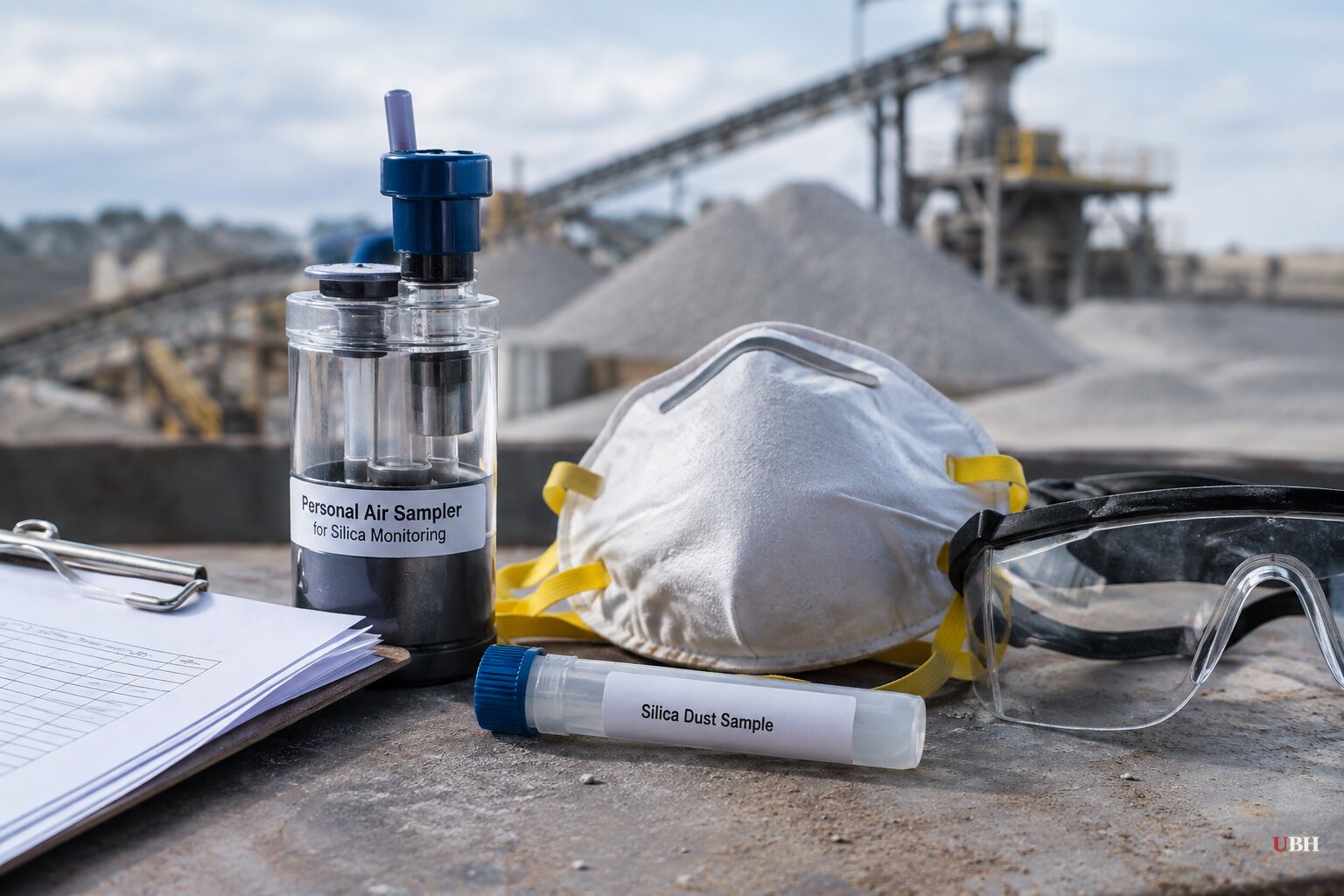
Since the Mine Safety and Health Administration released its silica proposal on Tuesday, Nov. 10, the fight has moved from the rulebook to the national airwaves. NPR's Weekend Edition Sunday carried a report today, Nov. 15, by Howard Berkes on how decades of advocacy for tighter limits on toxic mine dust are now under threat.
The specifics of what MSHA wants to change follow.
What the proposal does
The legal limit does not move. It stays at 50 micrograms of respirable crystalline silica per cubic meter of air, the level set in 2024.
Everything around that number does change.
The proposal removes the quarterly testing requirement and lets mines sample "as frequently" as they decide is "necessary." It would also let operators test only the work environments they believe are at or above a warning level of silica dust. Under current rules, mines must test areas where workers could be exposed to any silica dust.
MSHA's own proposed text acknowledges the consequence: "MSHA anticipates that under this proposal, mine operators might determine that some miners are not reasonably likely to be exposed to respirable crystalline silica … and would therefore not conduct sampling for those miners."
Who gets fined, and when
The biggest shift may be in enforcement. Under the Biden-era rule, companies could be fined if their own dust sampling showed silica levels above the legal limit. The proposed rule would only fine companies based on results from MSHA inspections.
Even then, the agency would only fine if a test is 21% over the limit, in order to account for errors. That means companies could overexpose workers with silica dust levels up to 60 micrograms without any penalty.
The agency's argument
MSHA's stated case rests on operator expertise. The proposal argues that mine operators have the experience necessary to decide how often to test for toxic dust.
The agency also puts a price on the change. It estimates that reduced exposure monitoring and medical testing around silica dust would save mine operators a collective $28.7 million a year. More than 90% of those cost savings would be realized in industries other than coal.
The proposal also seeks to remove required medical exams for miners who work outside the coal industry when they first start mining. Those initial exams are frequently referenced when miners who develop black lung disease need to prove they got it from work in order to qualify for federal health benefits.
The U.S. Department of Labor, MSHA's parent agency, characterized the changes as "practical, commonsense, risk-based improvements" that would "better protect the nation's miners."
The health backdrop
Health researchers have pointed to silica dust exposure as the leading cause for increasing rates of black lung disease in central Appalachian coal mines. A study reported Aug. 5 found the black lung disease rate in Appalachia is the worst in nearly 50 years.
There is no safe level of silica dust exposure.
The reaction
Miner advocacy groups who fought decades for tougher silica dust standards strongly disagree with the Labor Department's framing. "Amid a black lung epidemic that is the worst it has been in 50 years, the Trump administration proposed a silica dust rule weaker than what miners and miner advocates won in 2024," said Brendan Muckian-Bates of the Appalachian Citizens' Law Center in a press release. "The administration said they wanted to bring back coal. Instead, under their watch, they are bringing back black lung."
Vonda Robinson, president of the National Black Lung Association, called the changes "an earlier death sentence for metal, non-metal and [coal] miners." "We're going to fight them tooth and nail," she said. "This is not going to happen." That is her characterization, not a finding by the agency.
The mining industry sees it differently. Ashley Burke, a spokesperson for the National Mining Association, wrote that "in our initial reading of this proposed rule, it appears to address many of the concerns that we have raised and recommendations we have made to the government for years."
How we got here
The current rule was finalized during the Biden administration after decades of pleading from federal health researchers and then advocacy groups for coal miners. It lowered legal exposure limits for coal workers, also affected mines like sand and gravel quarries, and required baseline medical testing for new miners.
Before those stricter standards could be enforced, mining industry associations sued, representing industries like kitty litter and gravel quarries. They said the new requirements would be costly and cause "irreparable harm" to their businesses. Between a federal judge's injunction and a voluntary pause of enforcement, the stricter silica dust protections never fully took effect.
In court documents, MSHA told the court that its proposed rule may resolve some of the issues raised by the lawsuit. For example, the proposal exempts sorptive mineral mines, such as kitty litter and oil absorbents, from silica dust requirements altogether.
What remains open
The measure is a proposal, not a final rule, and mining industry groups say they are still reviewing the technical rulemaking document. MSHA has acknowledged only that operators "might determine" some miners need no testing, and the final rule will show how much of that discretion survives.
Sources used for this briefing
7 links from 3 independent newsrooms (syndicated copies of the same report count once)
These are the sources it draws on, linked so you can verify.


