
Unbiased headlines. Facts, not spin.
Unbiased Headlines is an independently owned news organization. We bring you the facts, not opinions, written fresh from 110+ named sources. Sources linked so you can verify it yourself.
 health
Notable (6/10)
Grassley, Lee and Collins Press DEA and FDA to Schedule Kratom as Families Describe Sons' Deaths
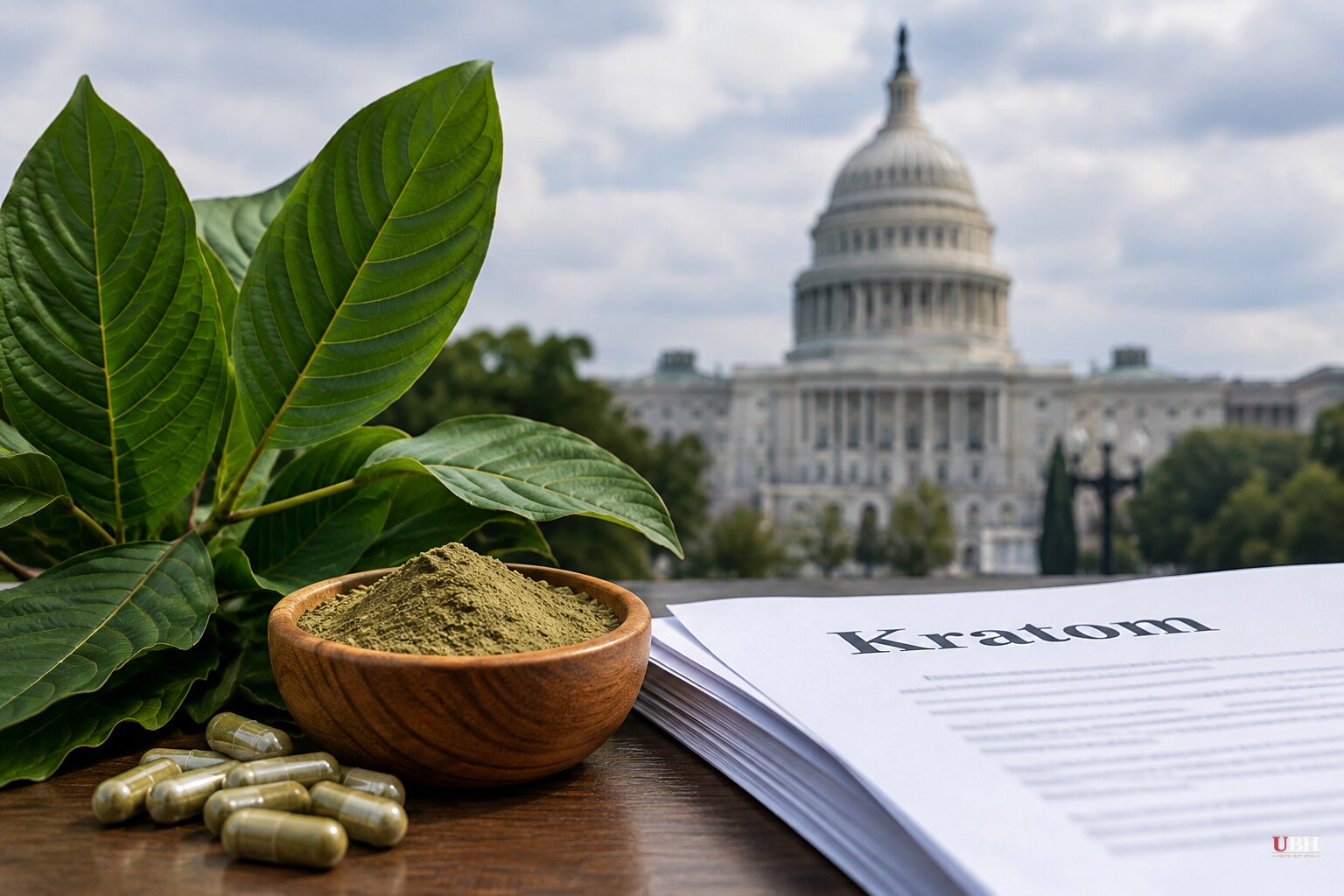
Kratom is sold in tens of thousands of U.S. stores, including gas stations, and it is legal in most states. Now it is drawing fire from a Republican-led push in the Senate.
Sen. Chuck Grassley of Iowa, chairman of the Judiciary Committee, led a letter joined by Sens. Mike Lee and Susan Collins. It urges the DEA and FDA to finish emergency scheduling of 7-OH, a kratom-derived compound, and to begin permanent scheduling of the entire kratom plant. The senators set a deadline for a written response.
Grassley had posted in October that "Kratom is killing our kids."
What the senators put on the record
The letter cites 3,434 kratom exposure reports to poison control centers in 2025, roughly 1,200 percent more than a decade ago. It also cites 3,672 suspected nonfatal kratom overdoses logged by emergency crews across 38 states in just over three years.
The senators note that the FDA has told consumers not to use kratom. They also say the DEA has found that some semi-synthetic compounds sold in kratom-labeled products are more potent than morphine.
Their central complaint is marketing. The senators wrote they "worry the availability of these products is providing consumers with a false sense of security because they are readily available and marketed as 'natural.'"
Iowa's numbers
Iowa has confirmed 45 kratom-associated deaths since 2024 across 23 counties. Sixteen came in the first seven months of this year. Calls to Iowa Poison Control about kratom are up 467 percent in two years. A kratom ban has passed the Iowa House.
Nationally, the CDC has detected kratom in more than 5,000 overdose deaths from 2020 to 2024. Detection is not the same as cause, since many of those cases involved other drugs.
Justin Brower, a toxicologist at NMS Labs near Philadelphia, told "60 Minutes" he has analyzed thousands of deaths involving kratom. "Dozens and dozens" were attributed "just to kratom, no other drugs at all," he said. He put the increase in kratom-linked fatalities at "probably about tenfold" since 2014.
The families
"60 Minutes" aired a report on kratom today, Nov. 15, featuring four families whose sons died. Matthew Eppard's and Joe Chamberlain's deaths were attributed solely to mitragynine, kratom's main opioid. Daniel Bregger's and Wyatt Wheeler's causes of death listed mitragynine along with prescription or over-the-counter medications.
Wendy Chamberlain says her son Joe, 38, fell asleep in his recliner and never woke up. She says he took kratom because a friend told him it was "safer than Red Bull." She wrote about the Grassley letter in a Nov. 9 Cedar Rapids Gazette column.
In Kentucky, Maria Jennings, a nurse, says her son Brayden Colson, 23, died in January after a three-year kratom addiction that worsened when he started a 7-OH product. She says emergency-room tests came back negative for narcotics because kratom does not show up on standard drug tests unless it is specifically tested for. His toxicology report took two and a half months, she says, and showed kratom was the only substance in his system.
In Youngstown, Ohio, Jesica Farrier says she found her 20-year-old son, K'Vaughn Royal, unconscious on July 23. A medical examiner said he died of an overdose involving kratom-related compounds. Ohio has moved to ban some of those substances, but addiction specialists say they remain easy to find in smoke shops. Farrier says she plans to contact members of the Ohio House and Senate.
Melanie Clark, a Michigan woman, told "60 Minutes" she began drinking a roughly $10 kratom-containing energy tonic in 2022 for a boost during postpartum fatigue. She says she felt addicted within three weeks.
The industry's position
The kratom industry presents the substance as a mild stimulant and an aid in recovery from opioid addiction. The American Kratom Association, a consumer advocacy and lobby group, describes natural kratom as "a safe food used by many as an herbal supplement" taken for "health and wellbeing or for an energy boost."
That description is about the natural plant. Several families and the senators' letter focus on concentrated and semi-synthetic products, which are not the same thing as leaf powder or tea. Dr. Andrew Kolodny of Brandeis University's Opioid Policy Research Collaborative does not draw that line. He told "60 Minutes" that kratom's effects are "very similar to the effects produced by oxycodone, heroin, even fentanyl."
What comes next
The federal fight is over scope. Finishing emergency scheduling of 7-OH targets the concentrated compound. Scheduling the whole plant would reach the leaf products the American Kratom Association defends. Whether the DEA and FDA go after one or both is the open question.
The agencies owe the senators a written answer by the deadline in the letter. The DEA and FDA have not publicly responded.
In Iowa, the House-passed ban still has to clear the rest of the legislative process.
Sources used for this briefing
5 links from 4 independent newsrooms (syndicated copies of the same report count once)
These are the sources it draws on, linked so you can verify.


