
Unbiased headlines. Facts, not spin.
Every story is an unbiased news briefing written from 110+ sources across the spectrum — sources linked so you can verify it yourself.
 defense
Major Story (7/10)
July 16, 2026 at 02:25 PM
defense
Major Story (7/10)
July 16, 2026 at 02:25 PM
Poland Charges Ukrainian Teen With 47 Sabotage Acts, Says Russian Intelligence Directed Effort to Divide Poland and Ukraine
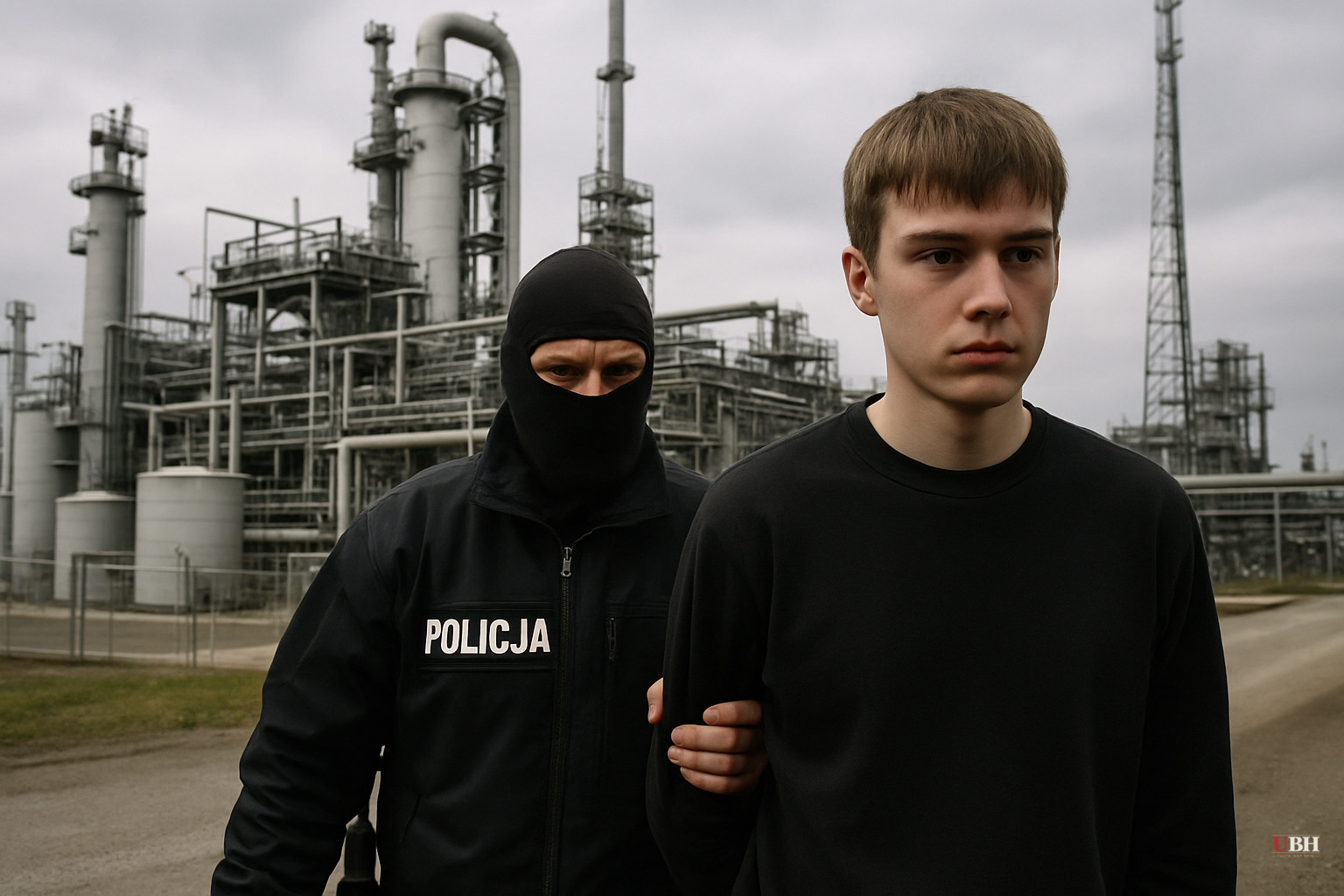
Polish prosecutors have charged an 18-year-old Ukrainian man with 47 criminal acts allegedly committed on behalf of Russian intelligence, according to the BBC. The suspect, identified only as Illia K under Polish privacy law, was arrested in August 2025 and is accused of carrying out a sustained sabotage campaign between November 2024 and his arrest.
The goal, according to Poland's Internal Security Agency (ABW), was to reopen one of the rawest wounds in Polish-Ukrainian history: the Volhynia massacre. Between 1943 and 1944, the Ukrainian Insurgent Army (UPA) killed up to 100,000 ethnic Poles in what is now western Ukraine, an atrocity that still shapes politics between the two countries eight decades later.
Prosecutors allege Illia K vandalized multiple memorials, including the Monument to the Jewish Heroes of the Warsaw Ghetto and monuments to Volhynia massacre victims in Domostawa and Wrocław. He allegedly spray-painted symbols and inscriptions glorifying the UPA at these sites, according to the BBC.
The ABW says the suspect acted primarily for money, not ideology, receiving payment in cryptocurrency registered in Russia and China. But prosecutors say most of the acts were carried out "for the benefit of foreign intelligence," and that he received instructions through a messaging app from an unidentified handler, sending back photos to prove tasks were completed.
The most serious allegation involves an alleged plot to fly a drone over Polish President Karol Nawrocki's vehicle during the Polish Armed Forces' Day parade in Warsaw on August 15, 2025. Illia K was arrested three days before the parade took place, according to the BBC. He also allegedly recruited other people to carry out acts of vandalism. He faces life in prison if convicted.
A System Built to Exploit an Old Wound
This is not an isolated case, according to the ABW, which said it opened 48 espionage investigations last year, more than double the 2024 total. The agency said Russian intelligence has specifically focused on "exploiting historical ethnic antagonisms, mainly in Polish-Ukrainian relations," using the Volhynia massacre as a wedge issue precisely because it remains unresolved and emotionally charged on both sides.
That unresolved history is real, not manufactured. Poland and Ukraine have sparred for years over exhumations of Volhynia victims' remains, with Kyiv at times blocking Polish requests. The wound reopened again in May 2026 when Ukrainian President Volodymyr Zelensky signed a decree naming a military unit after the "Heroes of the UPA." Nawrocki responded by stripping Zelensky of Poland's highest state honor, the Order of the White Eagle. Poland's prime minister has also pledged to build a memorial to what he called the World War Two-era "genocide by Ukrainian nationalists."
Russian intelligence is accused of exploiting this genuine, longstanding grievance between two allied nations through cheap, deniable acts of vandalism carried out by a paid teenager rather than a trained agent. It's a low-cost, high-leverage tactic. A can of spray paint and a cryptocurrency payment can do damage that would otherwise require a real intelligence operation.
What's Proven, What's Alleged
What's established: Polish prosecutors have filed 47 charges against a named individual, and he faces a criminal trial. What remains an allegation, not a proven fact in court, is the claim that an unidentified Russian intelligence handler directed the operation. Illia K has not yet been tried, and no verdict has been reached. The identity of the alleged foreign handler has not been made public, and no additional arrests tied to that handler have been reported.
The ABW's own account draws a distinction between motive and directive. The suspect himself was allegedly driven by money, while the broader campaign served Russian intelligence goals. That's a meaningful nuance that shouldn't get flattened into a claim that an 18-year-old was personally recruited as a committed agent. He is, on the government's own telling, more likely a paid tool than a true believer.
AP News, which also covered the story, did not provide substantive additional reporting on the case beyond confirming the basic detention, and its published material was largely occupied by unrelated wire content. The BBC's account, drawing on ABW statements and Polish prosecutors, provided the fuller picture, including the historical context of the Volhynia massacre and the drone plot against President Nawrocki's motorcade.
The case will proceed to trial in Poland, where prosecutors will have to prove the foreign-direction allegations, not just the vandalism itself, to secure the life-sentence exposure attached to the espionage-related charges. Poland's doubling of espionage investigations year-over-year suggests this case is being treated as one data point in a much larger pattern Warsaw says it is now actively hunting down.
Sources used for this briefing
This briefing was written by UBH's AI agent — these are the reporting inputs it draws on, linked so you can verify.


